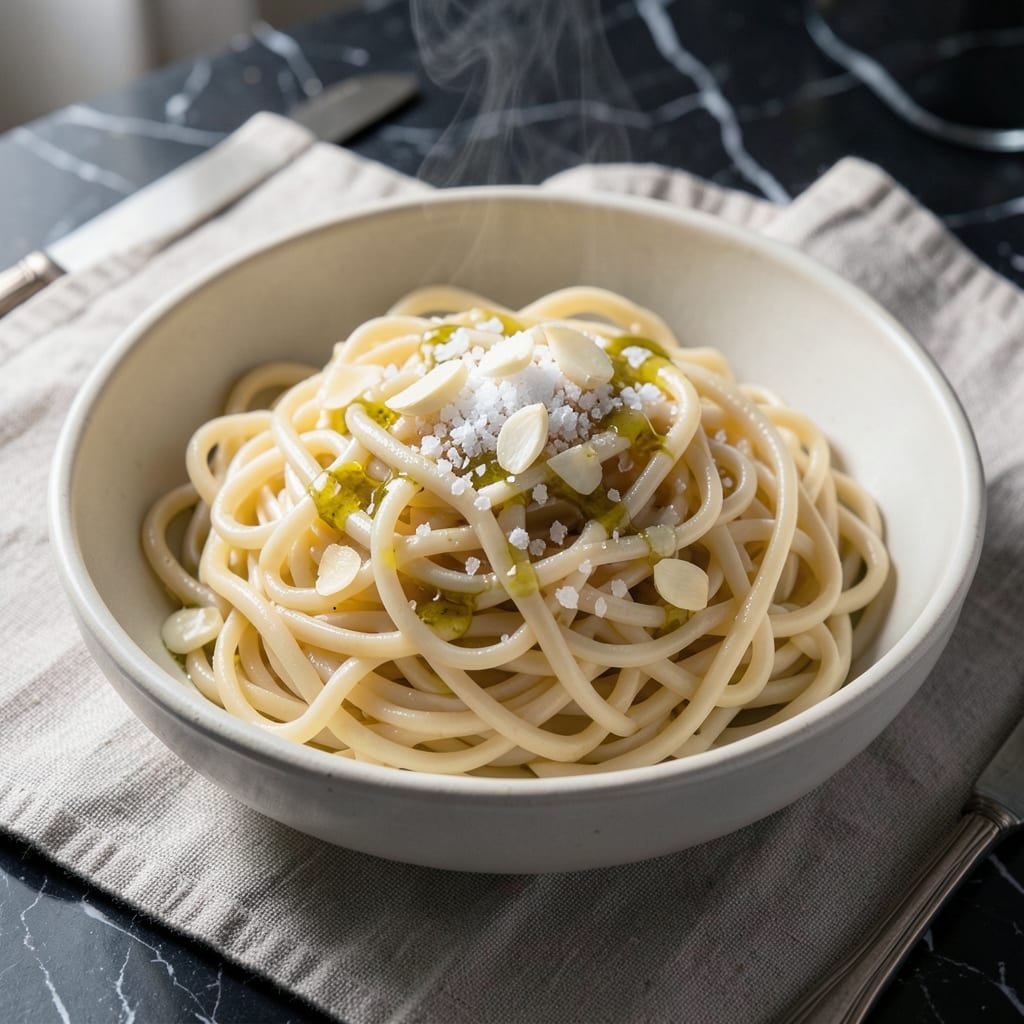
I developed this method after one too many mushy noodle disasters in my tiny Boston kitchen. The solution is simpler than you think—just one key adjustment to the boiling process.
This approach transforms frozen egg noodles into perfectly tender results every time without sticking or breaking. No pre-thawing required, and it takes less than 15 minutes from freezer to plate.
The secret is maintaining a rolling boil and adding the noodles at the right moment. What you get are noodles with just the right bite, ready to pair with your favorite sauces or soups.
Between you and me, this works better than fresh pasta for most dishes. Here’s how to nail it consistently.
Ingredients for Frozen Egg Noodles
Just a few pantry staples and frozen noodles for this foolproof method.
| Ingredient | Amount | Notes |
|---|---|---|
| Frozen Egg Noodles 🍜 | 12 oz | Unthawed, straight from freezer |
| Water 💧 | 4 cups | For boiling, generously salted |
| Kosher Salt 🧂 | 2 tbsp | Diamond Crystal preferred for boiling |
| Olive Oil 🫒 | 1 tbsp | For finishing, extra-virgin |
| Unsalted Butter 🧈 | 1 tbsp | Optional for richness |
| Garlic Cloves 🧄 | 2 cloves | Minced, for aroma |
| Fresh Parsley 🌿 | 2 tbsp | Chopped, for garnish |
| Parmesan Cheese 🧀 | ¼ cup | Freshly grated, optional |
| Black Pepper 🌶️ | ½ tsp | Freshly cracked preferred |
| Red Pepper Flakes 🌶️ | ¼ tsp | Optional for heat |
[recipe_ingredient_scaler]
The noodles are the star here. Any brand of frozen egg noodles works—Reames is my go-to (the wide ones hold up best). The key is keeping them frozen until they hit the boiling water. Salt the water like the sea—this is your only chance to season the noodles themselves. I grab my kosher salt in bulk from Costco since it dissolves instantly.
No fresh parsley? Dried at one-third the amount works fine, though it won’t have that bright pop. Butter can be swapped for olive oil if you’re avoiding dairy. Vegan butter melts in just the same. For extra flavor, a splash of the pasta water in your sauce ties everything together. The garlic is flexible—powder at half the amount in a pinch.
Cooked noodles keep 4-5 days in the fridge, sealed tight. They’ll absorb moisture, so a quick rinse under hot water revives them. Freezing cooked noodles? Not ideal—they turn to mush. 15 minutes from freezer to plate means you’ll never buy fresh pasta again.
Why You’ll Love This Recipe
- 5-Minute Boil: I love that I can go from freezer to fork in under 10 minutes—just boil the noodles and toss with butter.
- Rich Buttery Bite: The unsalted butter and kosher salt make these noodles taste like they simmered all day, not just melted in my pan.
- Weeknight Rescue: Honestly, it’s my backup plan for those nights when I forgot to thaw anything else.
- Pantry Hero: Between us, a bag of frozen egg noodles is cheaper than fresh and lasts months in my freezer.
Step-by-Step Instructions for Frozen Egg Noodles
Here’s the method. Simple, foolproof, and ready in minutes.
Step 1: Boil Salted Water
Fill a large pot with the 4 cups water and bring it to a rolling boil over high heat. I always use a pot that’s at least 6 quarts to give the noodles plenty of room to move freely—this prevents sticking and ensures even cooking.
Once boiling, add the 2 tbsp kosher salt. The water should taste like seawater. This generous salting is crucial because it seasons the noodles from within as they cook. Don’t be shy with the salt; most of it stays in the water, not the pasta.
Step 2: Cook the Noodles Straight from Frozen
Add the 12 oz frozen egg noodles directly to the boiling water—no need to thaw. Stir immediately to separate the strands and prevent clumping. The water may stop boiling temporarily, but it will return to a boil quickly.
Cook for 8-10 minutes, stirring occasionally, until the noodles are tender but still slightly firm to the bite. I start testing at 8 minutes by fishing out a noodle and tasting it. You want it cooked through but not mushy. The frozen noodles take a little longer than fresh, so don’t undercook them.
Step 3: Reserve Pasta Water and Drain
Once the noodles are cooked to your liking, reserve ½ cup of the starchy pasta water before draining. This liquid gold helps create a silky sauce later. I use a measuring cup to scoop it out right before draining the rest.
Drain the noodles in a colander and give them a quick shake to remove excess water. Don’t rinse them—you want that surface starch to help any sauce cling. Return the noodles to the warm pot or a serving bowl immediately to prevent sticking.
Step 4: Toss with Fat and Aromatics
Drizzle the 1 tbsp olive oil over the hot noodles and toss gently to coat. This adds a subtle richness and prevents sticking. If using, add the 1 tbsp unsalted butter and let it melt into the noodles for extra depth of flavor.
Stir in the 2 cloves minced garlic cloves and 0.5 tsp black pepper. The residual heat from the noodles will mellow the garlic’s bite and infuse the dish with aroma. If you like heat, add the 0.25 tsp red pepper flakes now as well.
Step 5: Finish with Cheese and Herbs
Off the heat, sprinkle the 0.25 cup parmesan cheese over the noodles, if using. Add a splash of the reserved pasta water—about 2-3 tbsp—and toss vigorously. The starch in the water helps create a light, creamy coating that clings to every strand.
Finally, add the 2 tbsp fresh parsley and toss once more. The parsley adds a fresh, bright note that balances the richness. Serve immediately while hot, with extra parmesan on the side if desired. The noodles should be tender, well-seasoned, and lightly coated in a glossy sauce.
Pro Tips For Making Frozen Egg Noodles
- Boil From Frozen: Drop the frozen noodles straight into boiling salted water—no thawing needed. I learned this the hard way after waiting for them to defrost, only to end up with mushy noodles.
- Salt Like the Sea: Use at least 1 tablespoon of kosher salt per quart of water. After burning a few batches, I finally figured out that under-seasoned water makes the noodles taste flat.
- Watch the Clock: Frozen egg noodles cook faster than you think—check for doneness at 2-3 minutes. My grandmother swore by this timing, and she was right.
- Finish With Butter: Toss the drained noodles with a pat of unsalted butter while they’re still hot. Sounds weird, but it works to keep them from sticking and adds a rich flavor.
Pro Cooking Tips for This Dish
Water Volume Matters
Use a 6-quart pot with 4 cups water minimum—this gives frozen noodles room to move. In my tiny Boston kitchen, I learned the hard way that cramped noodles stick and cook unevenly. 💡
Salt Like the Sea
Add 2 tbsp kosher salt to boiling water before the noodles go in. The water should taste briny. This is your only chance to season the noodles themselves, so don’t skimp.
No Thawing Needed
Drop the 12 oz frozen noodles straight into boiling water. Stir immediately to prevent clumping. They’ll cook evenly without pre-thawing, saving 10-15 minutes of prep time.
Test for Doneness
Start taste-testing at 8 minutes. You want the noodles tender but slightly firm—frozen takes longer than fresh. I pull them at 9 minutes for perfect texture.
Reserve That Water
Always save ½ cup pasta water before draining. The starchy liquid helps create a silky sauce that clings to every strand. I keep a measuring cup right by the colander.
Prevent Sticking
Toss the drained noodles with 1 tbsp olive oil immediately. This keeps them from sticking while you finish the dish. In my triple-decker kitchen, this step is non-negotiable. 🔥
Nutrition Facts
Frequently Asked Questions
Do I need to thaw the noodles first?
No, drop them straight from the freezer into boiling water. Thawing causes them to stick together and cook unevenly. Just stir immediately to separate the strands.
How do I prevent them from sticking?
Use plenty of water in a 6-quart pot and stir frequently during cooking. After draining, toss with 1 tbsp olive oil to keep them separate.
What if my noodles turn out mushy?
You likely overcooked them. Test at 8 minutes and stop when they’re tender but firm. Frozen noodles need less time than you might expect.
Can I use these in soups?
Yes! Add directly to simmering broth and cook for 8-10 minutes. They’ll absorb the liquid flavors beautifully.

Trained in classic French technique but raised on slow-cooked ribs and spicy rubs, she blends culinary skill with smoke and soul.
- Recipe for Boneless Pork Chops in Cast Iron Skillet: Sear and Baste to Juicy Perfection - October 3, 2026
- Recipe for Boneless Cross Rib Roast: Slow-Roasted Beef with Herb Crust - October 3, 2026
- Hamburgers in Sauce Recipe Crock Pot: Slow-Cooked Savory Delight - October 3, 2026