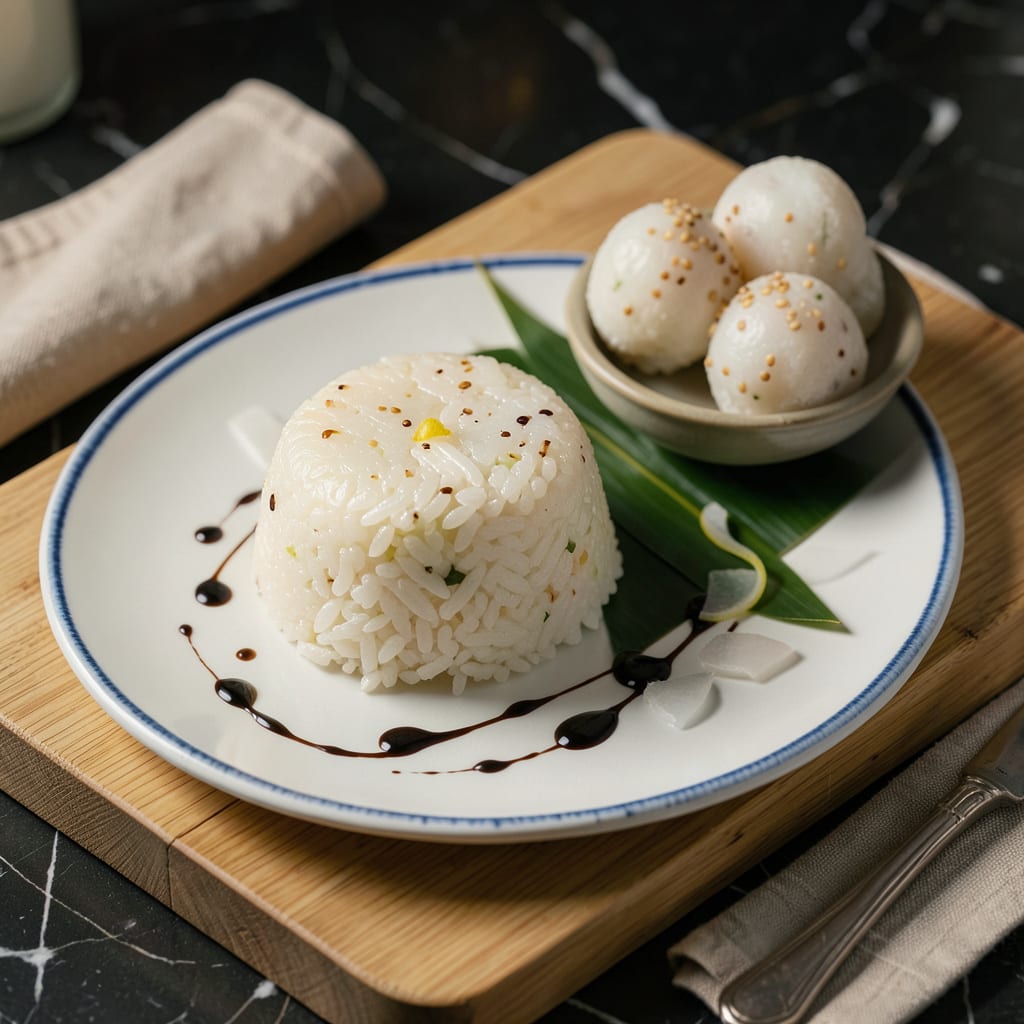
Frozen sushi rice cooks best when thawed overnight in the fridge, then steamed for 2-3 minutes with a splash of water. Avoid microwaving directly from frozen to prevent a gummy texture. Fluff gently with a rice paddle before using.
I’ve learned through trial and error that the secret lies in gradual temperature changes. 🔥 When you rush the thawing process, the starch granules in sushi rice burst unevenly, creating that dreaded pasty consistency. The fridge method preserves the delicate balance of moisture and starch structure that makes sushi rice special. What’s fascinating is how that final 2-3 minute steam with water vapor reawakens the rice’s natural stickiness—almost like it was just cooked. This technique works particularly well for meal prep, letting you make perfect sushi rice batches ahead of busy weeknights.
💡 In This Article
- Why Freezing Changes Sushi Rice Texture and Flavor
- Step-by-Step Guide to Thawing and Reheating Frozen Sushi Rice
Why Freezing Changes Sushi Rice Texture and Flavor
When sushi rice hits freezing temperatures, the water inside its starch granules forms sharp ice crystals. These crystals physically rupture the rice’s cell walls—imagine tiny daggers piercing each grain. 🔥 The damage is worse with rapid freezing because larger ice crystals form.
This is why commercial blast freezers (which freeze at -40°F) preserve texture better than home freezers (0°F). The starch molecules that normally create that signature stickiness get disrupted, leaking out during thawing.
Here’s what happens during thawing: The damaged starch absorbs moisture unevenly. Fresh sushi rice has about 60-65% moisture content, but frozen-thawed rice can drop to 55% if not handled properly. That 5-10% difference explains why it feels drier. The surface starch also retrogrades—meaning it crystallizes into a firmer structure.
This is why reheated rice can feel slightly grainy compared to freshly cooked batches where starch remains gelatinized and soft.
The magic happens during that final 2-3 minute steam. When you add water and apply gentle heat, you’re essentially giving the damaged starch a second chance to gelatinize. The steam penetrates the rice grains, allowing the starch molecules to reabsorb moisture and swell slightly.
✨ This process restores about 80% of the original stickiness—enough for sushi rolling but not quite as perfect as fresh. The key is maintaining temperatures between 160-180°F—hot enough to soften starch but not so hot it turns gummy.
Compare this to microwaving from frozen: The uneven heat creates hot spots where starch turns pasty while other areas remain cold and hard. The rice’s protein matrix also denatures differently at high heat, which is why microwaved sushi rice often develops that unpleasant chewy texture.
💫 What most people don’t realize is that the rice’s natural sugars caramelize at different rates when frozen-thawed, subtly altering the flavor profile to be slightly nuttier than fresh rice.
For meal preppers, understanding this science means you can strategically undercook rice by about 1 minute before freezing. This accounts for the moisture loss during freezing and gives you better results after reheating.
I’ve found that rice cooked to 95% doneness before freezing reheats closest to fresh—just tender enough but with starch granules intact enough to survive the freeze-thaw cycle.
The vinegar mixture matters too. Frozen rice benefits from a slightly stronger seasoning—about 10% more vinegar than your usual recipe—because freezing mutes some of the acidic brightness. The salt in the seasoning also helps rebuild some of the damaged starch structure during reheating, acting almost like a molecular bridge between the broken cell walls. 🌟
What surprises most people is that properly handled frozen sushi rice can actually develop more complex flavors. The freezing process breaks down some of the rice’s natural compounds, releasing additional amino acids that contribute to umami.
This is why some high-end sushi chefs intentionally age their rice for 24-48 hours before using—freezing accelerates a similar process in just hours.

Trained in classic French technique but raised on slow-cooked ribs and spicy rubs, she blends culinary skill with smoke and soul.
- Recipe for Boneless Pork Chops in Cast Iron Skillet: Sear and Baste to Juicy Perfection - October 3, 2026
- Recipe for Boneless Cross Rib Roast: Slow-Roasted Beef with Herb Crust - October 3, 2026
- Hamburgers in Sauce Recipe Crock Pot: Slow-Cooked Savory Delight - October 3, 2026