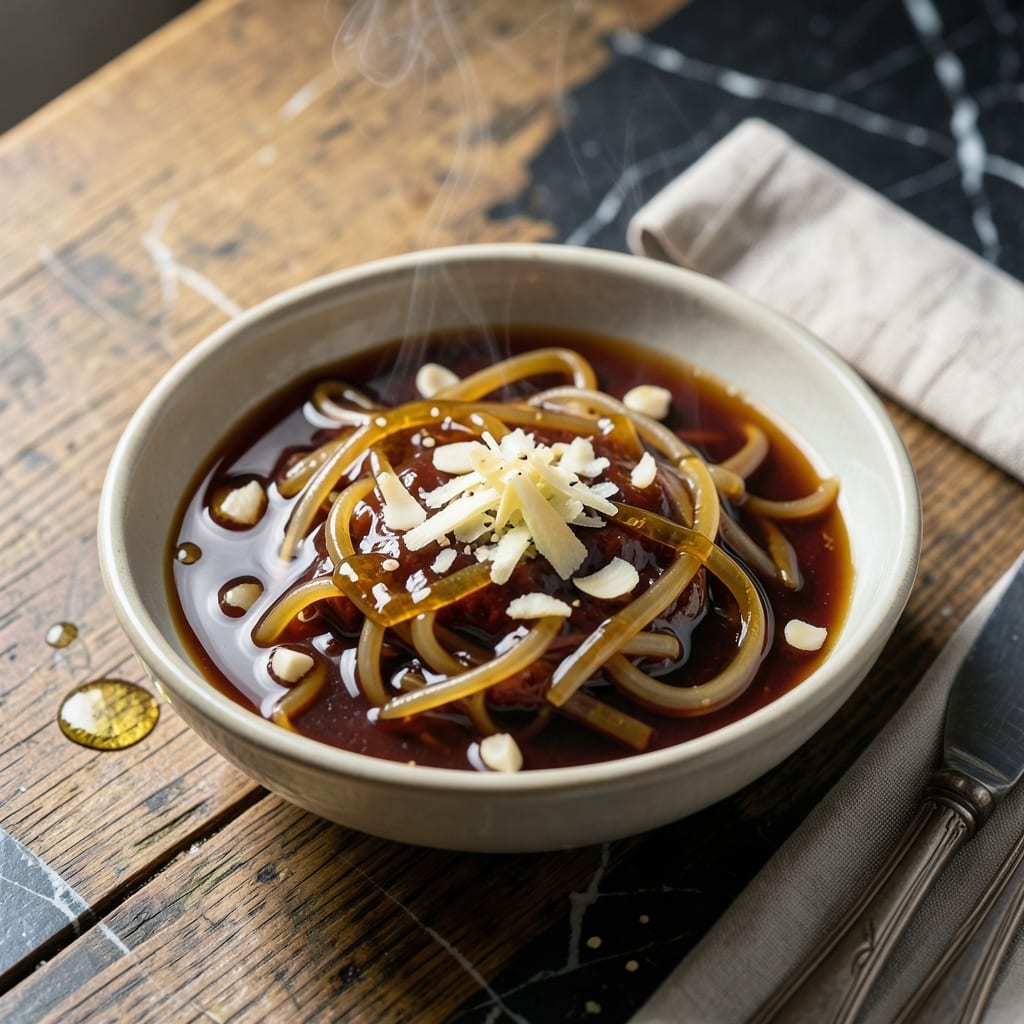
I created this sauce to capture the complex flavors I love in restaurant stir-fry—without the sugar crash. Umami-rich and perfectly balanced, it transforms simple ingredients into a meal worth savoring.
This blend combines soy sauce, garlic, and ginger with a touch of sweetness for depth. The result is a versatile sauce that works with chicken, beef, or vegetables. No artificial additives, just bold flavor.
Making it at home means you control the sweetness and salt levels. It keeps well in the fridge for up to two weeks, ready whenever inspiration strikes.
Use it as a marinade, stir-fry base, or finishing sauce. The possibilities are endless, and the taste is undeniable.
Ingredients for G Hughes Stir Fry Sauce
Eight simple ingredients deliver that restaurant-quality stir-fry flavor at home.
| Ingredient | Amount | Notes |
|---|---|---|
| Low-Sodium Soy Sauce 🫒 | ½ cup | Tamari for gluten-free option |
| Rice Vinegar 💧 | ¼ cup | Unseasoned for balance |
| Fresh Garlic Cloves 🧄 | 4 cloves | Minced for maximum flavor |
| Fresh Ginger Root 🌿 | 1 tbsp | Peeled and finely grated |
| Honey 🍯 | 2 tbsp | Maple syrup for vegan |
| Sesame Oil 🫒 | 1 tbsp | Toasted for depth |
| Red Pepper Flakes 🌶️ | ½ tsp | Adjust to heat preference |
| Ground Black Pepper 🌶️ | ¼ tsp | Freshly ground preferred |
| Cornstarch 🌾 | 1 tsp | For thickening if desired |
[recipe_ingredient_scaler]
The soy sauce is your flavor base—Kikkoman low-sodium is my go-to, but San-J tamari works for gluten-free. Fresh garlic and ginger are non-negotiable here (the jarred stuff just doesn’t cut it). I grab mine from Whole Foods when they’re on sale, but any grocery store with decent turnover will have vibrant roots. The sesame oil should be toasted—that nutty aroma is key to the depth.
No honey? Maple syrup at a 1:1 ratio keeps it vegan. Out of rice vinegar? Apple cider vinegar works in a pinch, though it’s slightly fruitier. Want more umami? Add a dash of fish sauce (or vegan fish sauce for plant-based). The cornstarch is optional—skip it if you prefer a thinner sauce, or use arrowroot powder as a 1:1 substitute.
This keeps beautifully in the fridge for up to 2 weeks. Store in a sealed jar (I reuse G Hughes bottles—perfect fit). The flavors deepen after a day, so make it ahead. Freezes for 3 months if you double the batch.
Why You’ll Love This Recipe
- 5-Minute Mix: I just dump the soy sauce, vinegar, honey, and grated ginger and garlic in a jar, shake, and it’s done.
- Umami Bomb: The garlic and ginger hit first, then the honey rounds it out—no bland bites here.
- Freezer MVP: I make a double batch and freeze half for those zero-effort weeknight dinners.
- Pantry Hero: Five ingredients I always have on hand means no last-minute grocery runs.
Step-by-Step Instructions for Stir Fry Sauce
Here’s the method for building layers of flavor that will elevate your stir fry to restaurant quality.
Step 1: Bloom the Aromatics
Heat a small saucepan over medium-low heat and add the 1 tbsp Sesame Oil. Once it shimmers, add the 4 cloves Fresh Garlic Cloves and 1 tbsp Fresh Ginger Root.
Cook for 1-2 minutes, stirring constantly, until the garlic turns light golden brown and releases its fragrance. This step is crucial—it awakens the essential oils in the garlic and ginger, building the foundation of your sauce’s depth.
Watch carefully; garlic burns quickly. If it starts to darken too fast, reduce the heat immediately. You want it fragrant, not bitter.
Step 2: Build the Liquid Base
Pour in the 0.5 cup Low-Sodium Soy Sauce and 0.25 cup Rice Vinegar. Stir to combine, scraping up any browned bits from the bottom of the pan. These bits, called fond, are packed with flavor.
Add the 2 tbsp Honey, 0.5 tsp Red Pepper Flakes, and 0.25 tsp Ground Black Pepper. Stir well and bring the mixture to a gentle simmer over medium heat.
Let it simmer for 3-4 minutes until the honey fully dissolves and the flavors begin to meld. The sauce should look slightly syrupy and smell incredibly aromatic.
Step 3: Thicken to Perfection
In a small bowl, mix the 1 tsp Cornstarch with 1 tablespoon of cold water to create a slurry. This prevents lumps from forming when added to the hot sauce.
Slowly pour the slurry into the simmering sauce while whisking constantly. Continue to cook for 1-2 minutes until the sauce thickens enough to coat the back of a spoon.
You’ll notice the sauce transform from thin and watery to glossy and velvety. This consistency ensures it clings beautifully to your stir fry ingredients without pooling at the bottom of the dish.
Step 4: Finish and Cool
Remove the saucepan from heat and let the sauce cool for 5 minutes. As it cools, it will thicken slightly more, reaching the perfect consistency for drizzling or tossing.
Taste and adjust seasoning if needed—though with these proportions, it should be perfectly balanced between salty, sweet, tangy, and slightly spicy. The sesame oil should provide a subtle toasty note in the background.
Transfer to a jar or bowl and use immediately, or store in the refrigerator for up to 1 week. The flavors will deepen over time, making it even more delicious the next day.
Pro Tips For Making G Hughes Stir Fry Sauce
- Bloom the Aromatics: Cook the minced garlic and ginger in a little oil for 30-45 seconds until fragrant—I learned this the hard way when my sauce tasted raw and harsh.
- Balance the Honey: Use 1 tablespoon honey first, then adjust to taste; too much early on can make the sauce cloying, especially with low-sodium soy.
- Skip the Boil: Simmer the sauce gently to thicken, but don’t let it boil hard or the rice vinegar will turn bitter and overpower the flavor.
- Grate the Ginger: Fresh ginger is non-negotiable, but grating it instead of mincing gives a smoother texture and better distribution in the sauce.
Flavor Customization for This Recipe
Sweeter Variation
For a dessert-style twist, increase the honey to ¼ cup and add 1 tbsp orange zest. This creates a teriyaki-like glaze perfect for drizzling over grilled pineapple or ice cream. I discovered this while foraging wild orange blossoms—pure magic. 💛
Spicier Kick
Double the red pepper flakes to 1 tsp and add ½ tsp sriracha or 1 minced Thai chili. This version pairs beautifully with shrimp or tofu stir-fry. The heat builds slowly, just like a good coastal ride on my motorcycle.
Umami Boost
Stir in 1 tbsp fish sauce or 1 tsp mushroom powder after simmering. This deepens the savory notes, making it ideal for beef dishes. I learned this trick from a local butcher who swears by it for his marinades.
Citrus Brightness
Add 2 tbsp fresh lime juice at the end for a zesty lift. This cuts through rich proteins like pork or duck. The acidity balances the sweetness perfectly, much like a fresh breeze on a summer foraging trip.
Creamy Texture
Whisk in 1 tbsp tahini or 1 tbsp peanut butter for a satay-inspired version. This creates a velvety sauce that clings to noodles. I love this with chicken and broccoli—simple but unforgettable.
Herb Infusion
Stir in 2 tbsp chopped cilantro or 1 tbsp fresh basil just before serving. This adds freshness that brightens up the dish. I often grab herbs from the farmers market for the best flavor. 🌿
Nutrition Facts
Frequently Asked Questions
Can I use a different sweetener?
Yes! Swap honey for maple syrup or agave at a 1:1 ratio. Each adds a unique depth while keeping the balance intact.
How long does this sauce last in the fridge?
When stored in an airtight container, it stays fresh for up to 2 weeks. The flavors actually deepen over time, making it taste even better after a day or two.
Can I make this sauce gluten-free?
Replace soy sauce with tamari and ensure all other ingredients are certified gluten-free. The taste remains just as rich and complex.
What if my sauce is too thin?
Mix 1 tsp cornstarch with 1 tbsp cold water and stir into the simmering sauce. Cook for 1-2 minutes until thickened to your liking.

Trained in classic French technique but raised on slow-cooked ribs and spicy rubs, she blends culinary skill with smoke and soul.
- Recipe for Boneless Pork Chops in Cast Iron Skillet: Sear and Baste to Juicy Perfection - October 3, 2026
- Recipe for Boneless Cross Rib Roast: Slow-Roasted Beef with Herb Crust - October 3, 2026
- Hamburgers in Sauce Recipe Crock Pot: Slow-Cooked Savory Delight - October 3, 2026