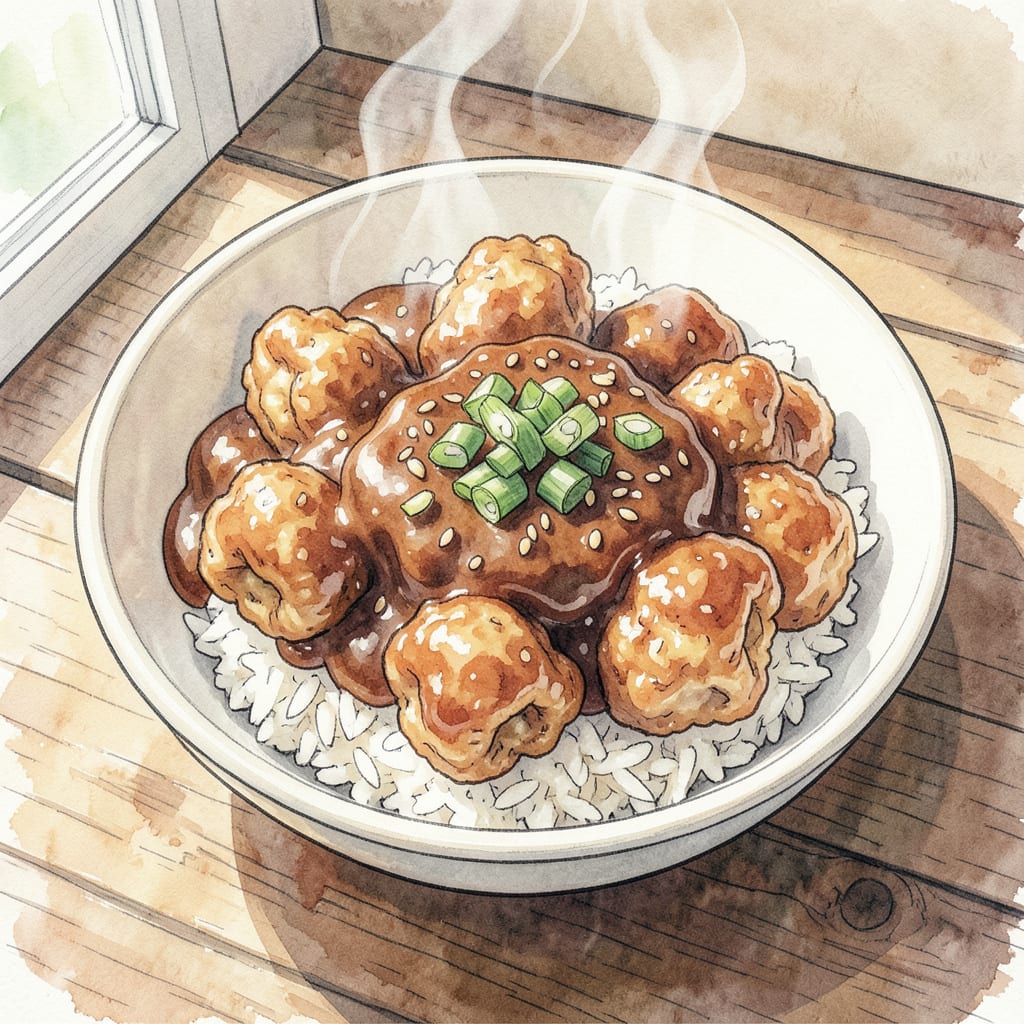
I’ve perfected my General Tso’s sauce recipe through years of experimenting with different combinations of soy sauce, vinegar, and spices. This sauce is a game-changer for anyone who loves spicy-sweet flavors.
The secret to this perfect sauce lies in balancing the savory umami of soy sauce with the tanginess of vinegar and the heat of chili peppers. With this recipe, you’ll achieve that authentic takeout flavor at home.
Ingredients for General Tso Sauce
Simple ingredients come together to create this spicy-sweet General Tso’s sauce recipe.
| Ingredient | Amount | Notes |
|---|---|---|
| Soy Sauce 🧂 | ½ cup | Use low-sodium for best results |
| Rice Vinegar 🍋 | ¼ cup | White or rice vinegar preferred |
| Cornstarch 🌾 | 2 tbsp | For thickening the sauce |
| Sugar 🍮 | 2 tbsp | Granulated white sugar |
| Chili Garlic Sauce 🔥 | 2 tbsp | Sambal oelek or similar chili paste |
| Garlic Cloves 🧄 | 4 cloves | Minced or pressed |
| Ginger 💡 | 1 tbsp | Freshly grated |
| Sesame Oil 🫒 | 1 tsp | For finishing the sauce |
[recipe_ingredient_scaler]
For the best flavor, look for low-sodium soy sauce at your local Asian market or well-stocked supermarkets. I usually grab mine from Whole Foods or online. If you’re using a different brand, adjust salt to taste. The chili garlic sauce can be found in most grocery stores’ international section.
No chili garlic sauce? Sriracha or gochujang make great substitutes, though the flavor will be slightly different. For a gluten-free version, use tamari or coconut aminos instead of soy sauce. If you prefer a milder sauce, start with one tablespoon of chili garlic sauce and adjust to taste.
Store this sauce in an airtight container in the fridge for up to 2 weeks. It thickens as it cools, so reheat gently before using. You can also freeze it for 3 months—just thaw and whisk before using.
Step-by-Step Instructions for General Tso’s Sauce
Let’s create this amazing General Tso’s sauce together – it’s easier than you think.
Step 1: Prepare the Aromatics
Start by mincing the 4 cloves Garlic Cloves and grating 1 tablespoon Ginger. I like to use a microplane for the ginger – it gives a nice fine texture that incorporates beautifully into the sauce. Make sure to mince the garlic finely so it doesn’t overpower the dish.
Having your aromatics ready before you start cooking makes the process smoother. You can prepare them while you heat the pan.
Step 2: Create the Sauce Base
In a small bowl, whisk together the 0.5 cup Soy Sauce, 0.25 cup Rice Vinegar, and 2 tablespoons Sugar until the sugar dissolves completely. I find it’s helpful to warm the soy sauce slightly in the microwave for 10-15 seconds – it helps the sugar dissolve faster.
The mixture should be smooth and free of any sugar granules. Set this aside as we’ll be adding it to the pan soon.
Step 3: Thicken the Sauce
In another small bowl, mix the 2 tablespoons Cornstarch with a little bit of the soy sauce mixture (about 2 tablespoons) until you get a smooth slurry. This step is crucial – you want to avoid any lumps in your sauce.
Make sure to mix it well so there are no cornstarch lumps remaining. This slurry will thicken your sauce to the perfect consistency.
Step 4: Cook the Sauce
Heat a medium saucepan over medium heat. Add the 2 tablespoons Chili Garlic Sauce and sauté for about 1 minute until fragrant. Be careful not to burn it – you want that beautiful aroma without the bitterness.
Pour in the prepared soy sauce mixture and bring it to a simmer. Let it cook for 2-3 minutes until it starts to reduce slightly. You’ll notice it starting to thicken – that’s when you know it’s working.
Stir in the cornstarch slurry and continue cooking for another 1-2 minutes until the sauce reaches your desired thickness. If it’s too thick, you can always thin it out with a little water.
Step 5: Finish with Aromatics and Oil
Add the minced garlic and grated ginger to the sauce and stir well. Let it cook for another 30 seconds until you can smell the beautiful aroma of the garlic and ginger melding with the sauce.
Remove the sauce from heat and stir in 1 teaspoon Sesame Oil. This adds that final layer of flavor and gives the sauce a nice sheen. Your General Tso’s sauce is now ready to use!
Dietary Considerations for general tso sauce
Gluten-Free Adaptations
To make this General Tso’s sauce gluten-free, replace the traditional soy sauce with tamari or coconut aminos. Both options provide similar umami flavor without the gluten. I prefer using tamari as it has a richer flavor profile that’s almost identical to regular soy sauce.
When shopping for gluten-free alternatives, look for brands that are certified gluten-free to ensure they meet your dietary needs. Some popular brands include Coconut Secret and San-J. Always check labels carefully, as formulations can change.
Vegan Considerations
This General Tso’s sauce recipe is naturally vegan-friendly as it doesn’t contain any animal products. However, be mindful of the sugar you use – some granulated sugars are processed using bone char. Opt for organic sugar or coconut sugar to maintain the vegan integrity of the recipe.
The chili garlic sauce you choose should also be vegan. Many commercial brands are, but some may contain honey or other animal-derived ingredients. I recommend checking with the manufacturer if you’re unsure. Brands like Sriracha or Sambal oelek are typically vegan-friendly.
Low-Sodium Options
For a lower-sodium version, start by using low-sodium soy sauce or low-sodium tamari. You can also reduce the amount of chili garlic sauce, which contains salt, or substitute it with a homemade version using fresh chilies and garlic.
Another strategy is to replace some of the soy sauce with rice vinegar or a combination of vinegar and water. This maintains the sauce’s liquid content while lowering the overall sodium. Taste and adjust seasoning as you go to ensure the flavor remains balanced.
Sugar Alternatives
If you’re looking to reduce the sugar content, consider using honey or maple syrup as alternatives. Keep in mind that these will change the flavor profile slightly and add more complexity to the sauce. Start with a smaller amount than the recipe calls for and adjust to taste, as they can be sweeter than granulated sugar.
For a more refined sweetness, you can also try coconut sugar, which has a lower glycemic index than regular sugar. The flavor will be slightly different but works well in this sauce. I often use coconut sugar when I want a deeper, caramel-like sweetness in my sauces.
Storage and Shelf Life
Store your General Tso’s sauce in an airtight container in the refrigerator. It will keep for up to 2 weeks. If you don’t plan to use it within that time, consider freezing it. The sauce freezes well for up to 3 months. When you’re ready to use it, thaw it in the refrigerator or at room temperature, then reheat gently before serving.
Before storing, let the sauce cool completely to prevent condensation inside the container, which can lead to spoilage. Always use a clean spoon when serving to avoid contaminating the sauce. If you notice any changes in color, texture, or smell, it’s best to discard the sauce.

Trained in classic French technique but raised on slow-cooked ribs and spicy rubs, she blends culinary skill with smoke and soul.
- Recipe for Boneless Pork Chops in Cast Iron Skillet: Sear and Baste to Juicy Perfection - October 3, 2026
- Recipe for Boneless Cross Rib Roast: Slow-Roasted Beef with Herb Crust - October 3, 2026
- Hamburgers in Sauce Recipe Crock Pot: Slow-Cooked Savory Delight - October 3, 2026