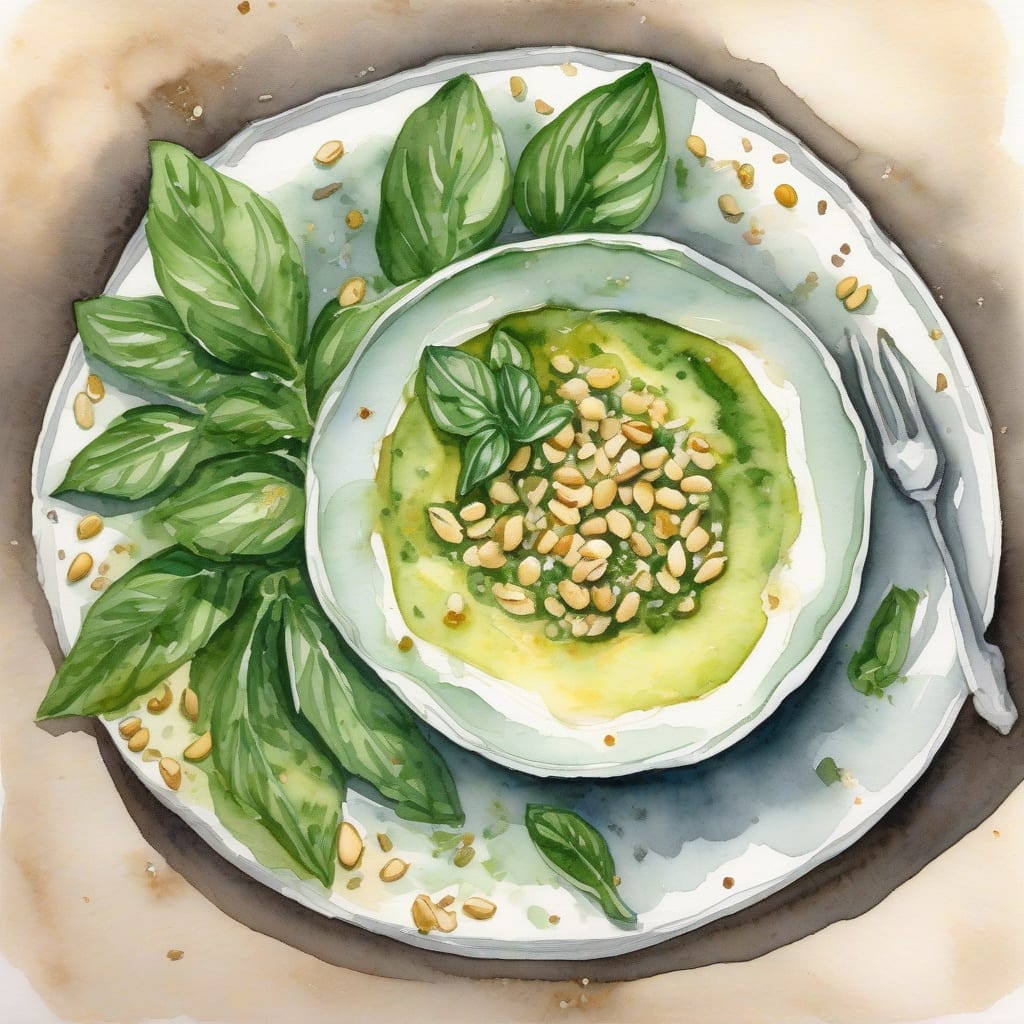
Fresh basil, garlic, and a drizzle of olive oil—just imagine the vibrant aroma filling your kitchen as we whip up this delightful sauce. In just 10 minutes, you can create a luscious blend that elevates any dish, from pasta to sandwiches.
This technique is incredibly straightforward, using simple ingredients that pack a flavorful punch. With a food processor, you’ll blend everything together to achieve that perfect creamy texture. Trust me, once you try this, store-bought versions will never compare!
By the end, you’ll have a fresh, vibrant pesto that’s bursting with flavor. Whether you toss it with your favorite pasta or spread it on crusty bread, this sauce will become a staple in your kitchen. Let’s get started!
Ingredients for Giada de laurentiis pesto
Gather these fresh ingredients and you’ll have vibrant pesto ready in just minutes.
| Ingredient | Amount | Notes |
|---|---|---|
| Fresh Basil Leaves 🌿 | 2 cups | Packed, stems removed |
| Garlic Cloves 🧄 | 3 cloves | Peeled, rough chopped |
| Pine Nuts 🥜 | ½ cup | Toasted for richness |
| Parmesan Cheese 🧀 | ¾ cup | Freshly grated preferred |
| Extra-Virgin Olive Oil 🫒 | ¾ cup | High quality, fruity |
| Lemon Juice 🍋 | 1 tbsp | Freshly squeezed |
| Salt 🧂 | ½ tsp | Sea salt preferred |
| Black Pepper 🌶️ | ¼ tsp | Freshly ground for best flavor |
| Water | 2 tbsp | To adjust consistency as needed |
[recipe_ingredient_scaler]
You can find most of these ingredients at your local grocery store or farmers market. Look for fresh basil with bright green leaves and avoid any with dark spots. For the best flavor, buy Parmigiano-Reggiano cheese from the deli counter and ask for it to be grated fresh. Toast your pine nuts lightly at home for enhanced flavor, which is worth the extra step.
If you can't find pine nuts, walnuts or sunflower seeds can be great alternatives. For a nut-free version, omit the nuts entirely and increase the cheese slightly for richness. Freshly grated Parmesan is key to achieving the best taste—avoid pre-grated varieties as they often contain anti-caking agents that affect texture.
Store any leftover pesto in an airtight container with a thin layer of olive oil on top to prevent browning. It keeps well in the refrigerator for up to one week. You can also freeze pesto in ice cube trays for easy use later—just pop out a cube whenever you need a flavor boost for your dishes!
Step-by-Step Instructions for Fresh Basil Pesto
Let me guide you through this quick and easy method to create vibrant pesto in just 10 minutes!
👨🍳 Step 1: Prepare the Ingredients
Start by gathering all your ingredients. You’ll need 2 cups of fresh basil leaves, which should be packed and stems removed. Next, peel and roughly chop 3 cloves of garlic. It’s important that your garlic is fresh for the best flavor.
Also, measure out 0.5 cup of toasted pine nuts. Toasting enhances their nuttiness, making your pesto richer. If you haven’t toasted them yet, simply place them in a dry skillet over medium heat for a few minutes, stirring frequently until golden brown. Keep an eye on them; they can burn quickly!
🍳 Step 2: Blend the Base Ingredients
In a food processor, combine the fresh basil leaves, chopped garlic, and toasted pine nuts. Pulse them a few times until they are coarsely chopped. This initial blending helps break down the basil and garlic, releasing their aromatic oils.
Next, add 0.75 cup of freshly grated Parmesan cheese to the mixture. The cheese will not only add flavor but also contribute to the creamy texture of the pesto. Pulse again until everything is well combined but still has some texture—don’t overdo it.
🥘 Step 3: Incorporate Olive Oil and Seasonings
With the processor running, slowly drizzle in 0.75 cup of extra-virgin olive oil. This creates an emulsion and gives your pesto its smooth consistency. Once incorporated, add 1 tablespoon of lemon juice, 0.5 teaspoon of salt, and 0.25 teaspoon of freshly ground black pepper.
Blend until smooth, scraping down the sides as necessary. Taste and adjust seasoning if needed. If your pesto is too thick, you can add 2 tablespoons of water to reach your desired consistency. This ensures it’s perfect for tossing with pasta or spreading on sandwiches.
⏰ Step 4: Store or Serve Immediately
Your pesto is now ready! I like to transfer it into an airtight container if I’m not using it right away. This pesto can be stored in the refrigerator for up to a week. To keep it fresh, drizzle a thin layer of olive oil on top before sealing.
If you’re serving it right away, toss it with hot pasta or use it as a dip for fresh veggies. The bright flavors will elevate any dish you pair it with, and you’ll love how quickly it comes together!
Elevate Your Meals: Perfect Pairings for Fresh Pesto
Fresh pesto is a versatile sauce that enhances a variety of dishes. I love tossing it with warm pasta right after cooking—just mix in 1 cup of your favorite noodles for a quick meal. For added texture, sprinkle some toasted pine nuts on top! 🥜
Another delicious option is to spread pesto on crusty bread or crostini. This makes a perfect appetizer when topped with fresh mozzarella and sliced tomatoes. The combination creates a delightful bite that’s sure to impress your guests! 🍅
If you’re looking for a refreshing side, toss roasted vegetables like zucchini, bell peppers, and asparagus with pesto before serving. The vibrant flavors of the sauce complement the earthy notes of the veggies beautifully, making it a crowd-pleaser at any gathering. 🌿
Wine pairing can elevate your dining experience too! A chilled Sauvignon Blanc or a light-bodied Pinot Grigio complements the herbal freshness of the pesto, enhancing the overall flavor profile of your meal. Trust me; it’s a match made in culinary heaven!
Nutrition Facts
120kcal
[recipe_ingredient_scaler]

Trained in classic French technique but raised on slow-cooked ribs and spicy rubs, she blends culinary skill with smoke and soul.
- Recipe for Boneless Pork Chops in Cast Iron Skillet: Sear and Baste to Juicy Perfection - October 3, 2026
- Recipe for Boneless Cross Rib Roast: Slow-Roasted Beef with Herb Crust - October 3, 2026
- Hamburgers in Sauce Recipe Crock Pot: Slow-Cooked Savory Delight - October 3, 2026