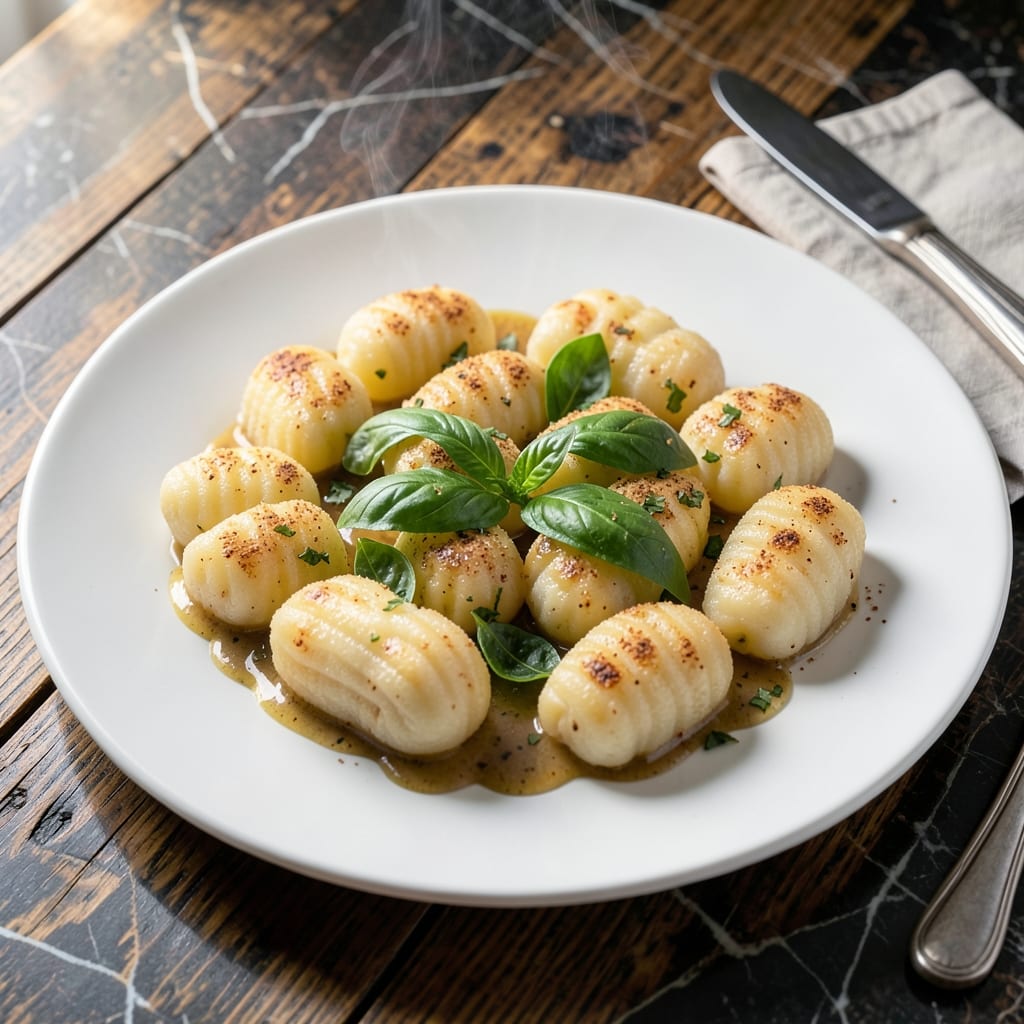
Mastering gnocchi begins with the perfect potato-to-flour balance, a lesson I first learned in my grandmother’s Sicilian kitchen. The right ratio transforms simple ingredients into pillowy dumplings with just the right bite.
Too much flour makes them dense, while too little leaves them fragile. After years of testing, I’ve found the precise proportion that delivers light, tender gnocchi every time—no guesswork required.
This traditional method relies on starchy potatoes and minimal handling. The dough should feel soft, not sticky, and rest briefly before shaping to ensure the best texture.
Once boiled, these dumplings float to the surface when done, ready to soak up your favorite sauce. The result is a dish that honors Nonna’s legacy with every bite.
Ingredients for Gnocchi Recipe Potato to Flour Ratio
Simple, starchy ingredients create pillowy dumplings just like Nonna’s kitchen.
| Ingredient | Amount | Notes |
|---|---|---|
| Russet Potatoes 🥔 | 2 lb | Starchy, about 4 medium potatoes |
| All-Purpose Flour 🌾 | 1 ½ cups | Plus extra for dusting |
| Large Egg 🥚 | 1 whole | Room temperature preferred |
| Fine Sea Salt 🧂 | 1 tsp | Adjust to taste |
| Freshly Ground Black Pepper 🌶️ | ¼ tsp | Lightly seasoned |
| Ground Nutmeg 🌰 | 0.125 tsp | Freshly grated if possible |
| Olive Oil 🫒 | 1 tbsp | For boiling water |
| Semolina Flour 🌾 | ½ cup | For rolling dumplings |
[recipe_ingredient_scaler]
The potatoes are key here. Russet potatoes give that perfect starchy base—Yukon Golds work in a pinch but the texture won’t be quite as light. Look for potatoes that feel heavy for their size, with smooth, unblemished skin. Most grocery stores carry them year-round. I always grab a few extra since they keep well in a cool, dark place (the pantry, not the fridge).
No Russets? Sweet potatoes at a 1:1 ratio make a fun twist, though the flavor’s sweeter. Egg-free? Skip it and add 1-2 tbsp extra flour to bind. Out of semolina? All-purpose flour works for rolling, but the dumplings might stick a bit. Nutmeg’s subtle, but if you don’t have it, a pinch of ground cinnamon adds warmth.
Fresh gnocchi cook immediately or chill for up to 2 hours before boiling. Freeze shaped dumplings on a tray, then transfer to a bag—they’ll keep for 2 months. No need to thaw before cooking (just add an extra minute).
Why You’ll Love This Recipe
- One-Bowl Wonder: I mix everything right in the bowl—no fancy tools, just potatoes, flour, and one egg.
- Pillowy Perfection: That first bite of soft, buttery gnocchi with a hint of salt and pepper? Pure comfort.
- Freezer Friendly: I double the batch, freeze half, and have dinner ready for another night.
- Budget Stretcher: Russet potatoes and basic pantry staples make this a wallet-friendly meal. Honestly, it’s my go-to when I’m pinching pennies.
Step-by-Step Instructions for Gnocchi
Here’s how I make light, pillowy gnocchi with the perfect potato to flour ratio every time.
Step 1: Prepare and Cook the Russet Potatoes
Start by scrubbing the 2 lb Russet Potatoes clean under cold water. I leave the skins on during boiling to prevent them from absorbing too much water, which would make the gnocchi gummy. Place them in a large pot and cover with cold water by about 2 inches.
Add 1 tbsp Olive Oil and 1 tsp Fine Sea Salt to the water. Bring to a boil over high heat, then reduce to medium and cook for 25-30 minutes until the potatoes are fork-tender. You’ll know they’re done when a knife slides in easily with no resistance.
Drain immediately and let them cool slightly—just enough to handle. Peel the potatoes while they’re still warm; this is much easier than peeling them raw or completely cooled.
Step 2: Create the Gnocchi Dough
Press the peeled potatoes through a ricer or food mill onto a clean work surface. This creates a light, fluffy texture without lumps. Let them cool completely to room temperature—this prevents the dough from becoming sticky when you add the other ingredients.
Sprinkle the 1.5 cups All-Purpose Flour evenly over the riced potatoes. Make a well in the center and add the 1 whole Large Egg, 0.25 tsp Freshly Ground Black Pepper, and 0.125 tsp Ground Nutmeg. Using your hands, gently mix everything together until just combined.
The dough should be soft but not sticky. If it feels too wet, add a little more all-purpose flour, but be careful not to add too much—this is the secret to light, pillowy gnocchi. Overworking the dough will make it tough, so stop as soon as it comes together.
Step 3: Shape and Cut the Gnocchi
Divide the dough into 4 equal portions. Roll each portion into a ¾-inch thick rope on a lightly floured surface. I find it easiest to work with one rope at a time while keeping the others covered to prevent drying out.
Cut each rope into 1-inch pieces. For the classic ridged texture, roll each piece over a fork or a gnocchi board, pressing lightly with your thumb. This creates little grooves that will hold sauce beautifully later.
As you work, place the finished gnocchi on a baking sheet dusted with 0.5 cup Semolina Flour. This prevents them from sticking together. The semolina also adds a subtle texture that helps them hold their shape during cooking.
Step 4: Cook the Gnocchi to Perfection
Bring a large pot of salted water to a rolling boil. The water should be as salty as pasta water—about 1 tbsp Fine Sea Salt per gallon. Gently drop in the gnocchi, working in batches if needed to avoid overcrowding.
Cook for 2-3 minutes until they float to the surface. Once they rise, let them cook for an additional 30-60 seconds to ensure they’re fully cooked through. They’re done when they’re puffed and slightly translucent.
Remove the gnocchi with a slotted spoon and transfer to a serving dish. If you’re not serving them immediately, toss them with a little olive oil to prevent sticking. Serve with your favorite sauce and enjoy the light, pillowy texture you’ve achieved with the perfect potato to flour ratio.
Pro Tips For Making Gnocchi Recipe Potato To Flour Ratio
- Bake the Potatoes: Roast your russets at 400°F until fork-tender—about 45-60 minutes—because boiling adds too much moisture and throws off the flour ratio every time.
- Rice While Hot: Press the potatoes through a ricer immediately after baking while they’re still steaming hot; I learned this the hard way after my dough turned gummy from cooled, gluey spuds.
- Start With Less Flour: Use 1 cup flour per pound of potatoes as your baseline, then add more by the tablespoon—over-flouring is the fastest way to turn your gnocchi into dense little rocks.
- Test One First: Drop a single gnocchi into boiling water before shaping the whole batch; if it falls apart, your dough needs more flour, if it’s tough, you’ve gone too far.
Perfect Pairings for This gnocchi recipe potato to flour ratio
Classic Sauce Pairings
These dumplings shine with a simple tomato basil sauce—I use San Marzano tomatoes from the Italian deli, simmered with garlic and fresh basil. The acidity cuts through the richness beautifully. Just 20 minutes of simmering develops deep flavor. 🍷
Creamy Complements
A brown butter sage sauce is my Sunday dinner go-to. Melt ½ cup butter until nutty, add 8 fresh sage leaves, then toss with cooked gnocchi. The aroma alone brings me back to Nonna’s kitchen.
Protein Partners
For a heartier meal, pair with Italian sausage from my local butcher. Brown 1 lb sweet sausage with onions and peppers, then mix with gnocchi. The flavors meld together perfectly, just like at our family gatherings.
Fresh Finishes
Top with Parmigiano-Reggiano shaved thick with a vegetable peeler. A sprinkle of fresh parsley adds color and brightness. I always use the wooden spoon Nonna gave me to taste-test the sauce first.
Wine Recommendations
A light Pinot Grigio from Northern Italy complements the pillowy texture. For red lovers, try a Chianti Classico—its acidity balances the dish. I learned this pairing at Sunday dinners in Sicily.
Nutrition Facts
Frequently Asked Questions
Can I use a different type of potato?
Russets are ideal for their high starch content, but Yukon Golds work in a pinch. Avoid waxy potatoes like red or new potatoes—they’ll make your dumplings dense. Always use 2 lb for this recipe.
Why does my dough feel too sticky?
This usually means the potatoes weren’t dry enough. Let them cool completely after ricing and pat dry if needed. Add flour gradually—just enough to handle, never more than 2 cups total.
How do I know when they’re done cooking?
They’ll float to the surface after 2-3 minutes. Let them cook an additional 30-60 seconds after rising. The dumplings should be puffed with a slight bite.
Can I make these ahead of time?
Shape and freeze on a tray before transferring to a bag. Cook from frozen, adding 1 minute to the boiling time. They’ll keep for up to 2 months.

Trained in classic French technique but raised on slow-cooked ribs and spicy rubs, she blends culinary skill with smoke and soul.
- Recipe for Boneless Pork Chops in Cast Iron Skillet: Sear and Baste to Juicy Perfection - October 3, 2026
- Recipe for Boneless Cross Rib Roast: Slow-Roasted Beef with Herb Crust - October 3, 2026
- Hamburgers in Sauce Recipe Crock Pot: Slow-Cooked Savory Delight - October 3, 2026