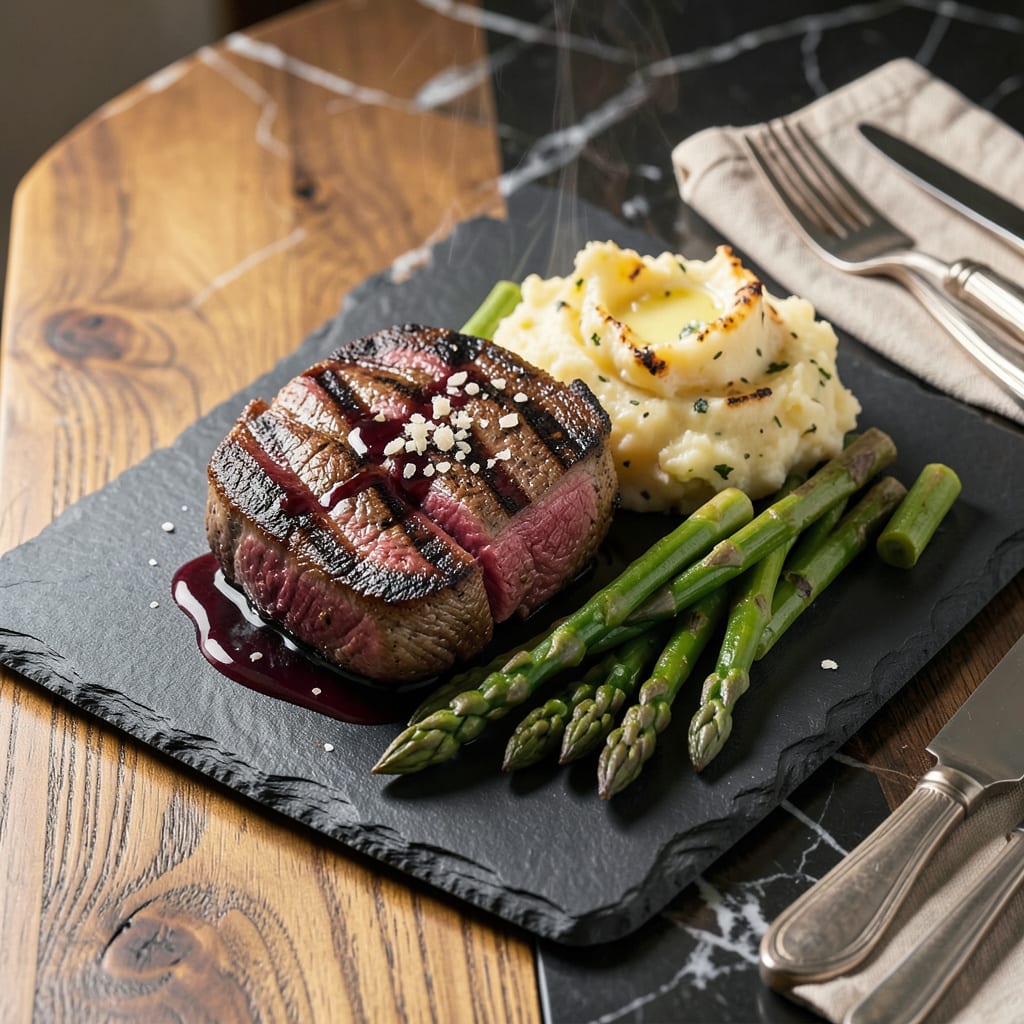
Nothing beats the sizzle of a perfect steak hitting the grill or skillet—except maybe that first juicy bite. I’ve cooked more steaks than I can count, from backyard cookouts to late-night kitchen experiments, and here’s the truth: both grilling and frying can deliver that crusty, tender perfection you’re after. The difference is all in the technique and what you’re craving that night.
Grilling gives you that smoky char and outdoor cooking experience, while pan-frying creates a buttery crust with caramelized edges. I’ve ruined my share of steaks learning the hard way—overcrowding the pan, flipping too soon, or pulling it off the grill too early. But once you nail the timing and temperature, you’ll get juicy, restaurant-quality results every time, whether you’re using a cast-iron skillet or firing up the charcoal.
The best part? You don’t need fancy equipment or expensive cuts. A simple ribeye, proper seasoning, and attention to heat will get you 90% of the way there. I’ll walk you through both methods so you can choose based on your mood—or even try them side by side to compare. Either way, you’re about to cook the best steak of your life.
We’ll cover everything from prep to resting, including the mistakes that separate good steak from great. By the time you’re done, you’ll have the confidence to cook steak perfectly—rain or shine, grill or stovetop. Let’s get that pan (or grill) hot.
If you’re craving a bold, smoky flavor with those picture-perfect grill marks, grilling your steak is the way to go! 🔥🍖 This method is a backyard (or balcony) favorite for good reason—it delivers a juicy interior and a deliciously charred crust that’s hard to beat. Whether you’re firing up a gas grill, charcoal grill, or even a pellet smoker, grilling lets you play with heat zones for perfect doneness every time.
Grilling shines when you want to:
- Enhance natural flavors with wood or charcoal smoke (think hickory, mesquite, or applewood for extra depth).
- Cook thicker cuts (1.5 inches or more) like ribeyes, New York strips, or tomahawks—the high heat sears the outside while keeping the inside tender.
- Entertain a crowd—grills handle multiple steaks at once, making them ideal for summer cookouts or game-day feasts.
- Keep it healthy—excess fat drips away, reducing calories without sacrificing flavor.
Pro tip: Reverse searing (slow-cooking first, then searing) on the grill takes thicker cuts to next-level tenderness. Plus, who can resist that sizzle when the steak hits the grates? Just be ready for neighbors to come knocking! 😋
If you crave a rich, buttery crust and a melt-in-your-mouth interior, pan-frying your steak is the way to go! 🥘✨ This method uses high heat and a trusty skillet (cast iron is king here) to create a caramelized, flavor-packed sear that locks in juices. Unlike grilling, frying gives you more control over doneness—perfect for thicker cuts like ribeye, New York strip, or filet mignon.
One of the biggest perks? Speed and convenience. No need to fire up the grill or battle the elements—just a stovetop, a hot pan, and a few minutes of sizzling action. Plus, you can easily baste your steak with butter, garlic, and herbs for an extra layer of decadence. 🧈🌿
Typical Use Cases:
- Indoor cooking—ideal for apartments, bad weather, or when you just don’t feel like grilling.
- Thick cuts (1–2 inches)—frying ensures even cooking from edge to edge.
- Restaurant-style crust—achieve that steakhouse sear with minimal effort.
- Quick meals—ready in under 15 minutes, start to finish!
Pro tip: A smoke point-friendly oil (like avocado or grapeseed) is key to avoiding a kitchen filled with smoke. And don’t skip the resting step—it keeps those juices where they belong: in your steak, not on your plate!
Key Differences
🔥 Flavor & Texture
Grilling and frying create distinctly different flavor profiles and textures—both delicious in their own right!
- Grilling: Imparts a smoky, charred depth from open flames or hot coals, with a crispy exterior and juicy interior. The high, dry heat caramelizes the meat’s natural sugars, creating a bold, rustic crust.
- Frying: Delivers a buttery, savory richness (especially with oil or butter basting) and a more uniform crust. The Maillard reaction in the pan gives a deep brown sear, while the fat keeps the steak tender and moist.
⏰ Time & Convenience
Your schedule might decide the winner here!
- Grilling: Requires preheating the grill (10–15 minutes) and more hands-on attention to avoid flare-ups. Best for leasurely cookouts or when you’re already firing up the grill for other foods.
- Frying: Heats up faster (3–5 minutes for a screaming-hot pan) and is ideal for quick weeknight dinners. Less cleanup too—just one pan!
💪 Health Considerations
Both methods can fit into a balanced diet, but there are trade-offs.
- Grilling: Allows fat to drip away from the steak, reducing calorie count. However, charring can create potential carcinogens (HCAs/PAHs) if overdone. Trim excess fat and avoid blackened bits!
- Frying: Uses added fat (oil/butter), which bumps up calories but also enhances nutrient absorption (like fat-soluble vitamins). Opt for heart-healthy oils (avocado, olive) and drain excess grease.
👨🍳 Skill Level & Control
Your comfort in the kitchen (or backyard) matters!
- Grilling: Demands temperature zone mastery (hot spots, indirect heat) and flipping finesse. Wind or uneven heat can lead to inconsistent doneness—great for pros, tricky for beginners.
- Frying: Offers precise heat control (adjust the burner instantly!) and even cooking. Easier to monitor doneness with a meat thermometer. Beginner-friendly but requires watching for smoke points.
When to Choose Which
Deciding whether to grill or fry your steak? Here’s when each method shines! 🥩✨
🔥 Choose Grilling When:
- You want smoky, charred flavors—perfect for outdoor cookouts or thicker cuts like ribeye or T-bone.
- Cooking multiple steaks at once (grills offer more space than a pan).
- You’re aiming for a juicy, medium-rare finish with those classic grill marks.
- Hosting a BBQ—grilling is a crowd-pleaser with minimal cleanup!
🍳 Opt for Frying When:
- You crave a buttery, crispy crust (hello, cast iron!)—ideal for thinner cuts like flank or skirt steak.
- Cooking indoors or in cold/rainy weather (no grill? No problem!).
- Adding aromatics like garlic, herbs, or a pat of butter for extra flavor.
- You need speed—pan-searing is faster for quick weeknight dinners.
Pro tip: 💡 Thick steaks (1.5″+) love the grill, while thin cuts (under 1″) sizzle best in a screaming-hot pan!
So, grill or fry steak? The choice boils down to your priorities! 🥩✨ Craving that smoky, charred flavor with juicy tenderness? Fire up the grill. Prefer a buttery, crispy crust with precise control? Grab your skillet. Both methods deliver mouthwatering results—just pick based on your time, tools, and taste buds.
Pro tip: Thicker cuts (like ribeye) shine on the grill, while thinner steaks (like flank) sizzle best in a pan. Whichever you choose, rest your steak for 5–10 minutes before slicing to lock in those juices. Happy cooking! 🔥

Trained in classic French technique but raised on slow-cooked ribs and spicy rubs, she blends culinary skill with smoke and soul.
- Recipe for Boneless Pork Chops in Cast Iron Skillet: Sear and Baste to Juicy Perfection - October 3, 2026
- Recipe for Boneless Cross Rib Roast: Slow-Roasted Beef with Herb Crust - October 3, 2026
- Hamburgers in Sauce Recipe Crock Pot: Slow-Cooked Savory Delight - October 3, 2026