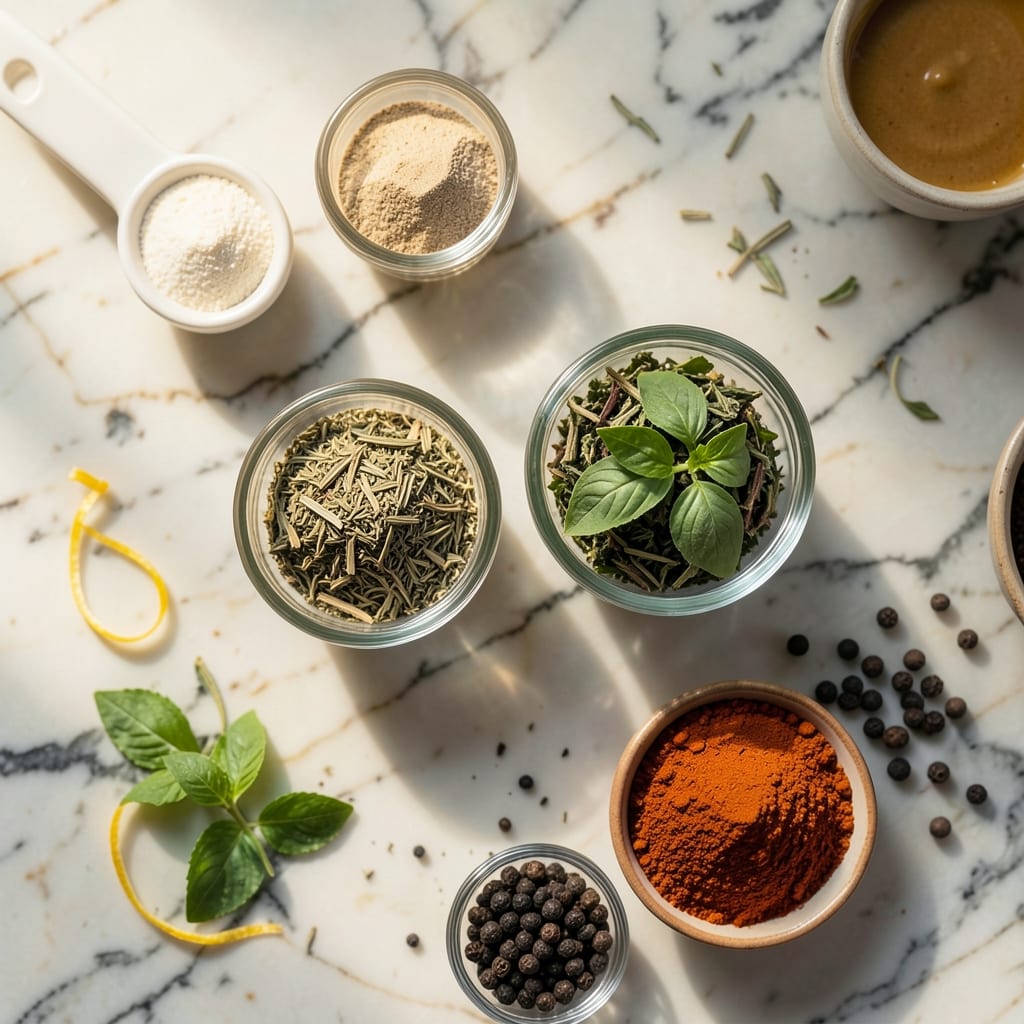
This sauce transforms grilled chicken with its perfect balance of smoky depth and garlic intensity. Developed through years of pitmaster experience, it clings beautifully to every ridge of charred meat.
Simple ingredients create complex flavor that elevates any backyard cookout. Store in an airtight container for up to two weeks—it only gets better with time.
Ingredients for Grilled Chicken Sauce
These ten ingredients deliver that perfect smoky garlic complexity for your sauce.
| Ingredient | Amount | Notes |
|---|---|---|
| Tomato Paste 🍅 | ¼ cup | For rich, concentrated flavor |
| Apple Cider Vinegar 🍏 | 2 tbsp | Balances sweetness and smokiness |
| Worcestershire Sauce 💧 | 1 tbsp | Adds umami depth to sauce |
| Smoked Paprika 🌶️ | 2 tsp | Essential for smoky profile |
| Garlic Powder 🧄 | 2 tsp | Intensifies garlic flavor without texture |
| Onion Powder 🧅 | 1 tsp | Complements garlic and smokiness |
| Dark Brown Sugar 🍚 | 2 tbsp | Deep caramel notes for balance |
| Dijon Mustard 🟡 | 1 tbsp | Sharp tang to cut richness |
| Olive Oil 🫒 | ¼ cup | Carries all flavors smoothly |
| Black Pepper 🌶️ | 1 tsp | Freshly ground for best results |
[recipeingredientscaler]
The smoked paprika is non-negotiable—McCormick or Penzeys for consistent quality. Tomato paste should be the double-concentrated kind (look for Amoretto or Sclafani brands). Apple cider vinegar adds the right acidity; Bragg is reliable, but any raw, unfiltered version works. Garlic and onion powders must be fresh (old ones lose potency fast).
Out of smoked paprika? Chipotle powder at half the amount works but adds heat. No Worcestershire? Soy sauce with a pinch of sugar gets close. Brown sugar can be light, but dark gives deeper molasses notes. Dijon mustard is ideal, but regular yellow mustard in a pinch (just add a bit more sugar to compensate).
This keeps beautifully. Two weeks in the fridge in an airtight container—flavors actually improve. For longer storage, freeze in ice cube trays for up to 3 months. Stir before using as separation is natural.
Why You’ll Love This Recipe
- 5-Minute Mix: I dump everything in one bowl—no chopping, no fuss. Honestly, it’s ready before the grill even heats up.
- Smoky Depth: That smoked paprika and Worcestershire combo hits different. It’s tangy, rich, and just a little smoky—exactly what grilled chicken craves.
- Weeknight MVP: Slather it on chicken, burgers, or even roasted veggies. Between us, it’s my secret to making Tuesday dinner feel like a weekend treat.
- Budget Stretcher: A few pantry staples transform cheap chicken into something crave-worthy. I’ll be real: it’s saved me more than once when the fridge was bare.
Step-by-Step Instructions for Grilled Chicken Sauce
This method ensures a perfectly balanced sauce with deep smoky and garlic notes.
Step 1: Combine the Dry Spices and Sweeteners
In a medium bowl, whisk together the 2 tsp Smoked Paprika, 2 tsp Garlic Powder, and 1 tsp Onion Powder until evenly distributed. These spices form the aromatic backbone of the sauce, delivering that essential smoky depth.
Add the 2 tbsp Dark Brown Sugar and 1 tsp Black Pepper, stirring until the mixture takes on a uniform, deep reddish-brown hue. The sugar will caramelize slightly during cooking, balancing the acidity and heat with rich, molasses-like sweetness.
Step 2: Incorporate the Liquid and Umami Elements
Pour in the 0.25 cup Tomato Paste, 2 tbsp Apple Cider Vinegar, and 1 tbsp Worcestershire Sauce. Stir vigorously to break up any clumps of tomato paste, creating a smooth, thick base. The vinegar brightens the sauce, while the Worcestershire adds a complex, savory depth.
At this stage, the mixture will appear quite thick. This is intentional—the liquids will thin it out as they’re incorporated. The tomato paste provides a concentrated, rich foundation that carries all the other flavors.
Step 3: Emulsify with Olive Oil and Mustard
Slowly drizzle in the 0.25 cup Olive Oil while whisking constantly. This emulsification step is critical—it binds the fat-soluble and water-soluble components, creating a silky, cohesive sauce. The oil also helps mellow the acidity and distribute the spices evenly.
Add the 1 tbsp Dijon Mustard and whisk again until fully integrated. The mustard’s sharp tang cuts through the richness of the oil and tomato, adding a subtle but essential layer of complexity to the final product.
Step 4: Simmer to Perfection
Transfer the mixture to a small saucepan and place it over medium-low heat. Cook for 5-7 minutes, stirring frequently, until the sauce thickens slightly and the raw edge of the garlic and onion powders mellows. You’ll notice the color deepen and the aroma become more pronounced.
Watch for the sauce to reach a consistency where it coats the back of a spoon but still drizzles easily. This ensures it will cling beautifully to grilled chicken without being overly heavy. Taste and adjust seasoning if needed, though the measured ingredients should provide perfect balance.
Pro Tips For Making Grilled Chicken Sauce
- Bloom the Spices: Cook the tomato paste with smoked paprika and garlic powder for 2-3 minutes in the pan first—I learned this the hard way, and it deepens the flavor way more than just mixing them raw.
- Balance the Tang: Taste before adding all the apple cider vinegar; I was skeptical until I tried it, but sometimes half the amount is enough to keep the sauce from being too sharp.
- Skip the Boil: Simmer the sauce gently, never at a rolling boil, or the vinegar will overpower everything and the tomato paste can scorch.
- Add Worcestershire Last: Stir in the Worcestershire sauce off the heat at the end—sounds weird, but it works to preserve its complex flavor instead of cooking it down.
Common Mistakes When Making grilled chicken sauce
Over-Spicing the Sauce
It’s easy to get heavy-handed with the smoked paprika and garlic powder, but remember these are concentrated flavors. Start with the measured amounts—2 tsp each—then taste before adding more. Too much can overwhelm the balance we’re aiming for. 🌶️
Skipping the Emulsification
Drizzling in the ¼ cup olive oil too quickly or skipping the whisking step leads to a separated, greasy sauce. Take your time here—this step ensures a silky texture that clings perfectly to grilled chicken.
Simmering Too Long
Cooking the sauce beyond 5-7 minutes over medium-low heat can cause the sugars to burn, giving the sauce a bitter edge. Watch for the color to deepen and the aroma to mellow—that’s your cue it’s ready.
Using Old Spices
Old garlic powder or onion powder loses its potency fast. I always check the expiration date on my spices from the specialty spice shops. Fresh spices make a noticeable difference in flavor intensity.
Ignoring Consistency
If your sauce is too thick, it won’t coat the chicken evenly. Thin it slightly with 1-2 tbsp water or apple cider vinegar if needed. The goal is a sauce that drizzles but still clings to every ridge of charred meat.
Not Tasting as You Go
This sauce is forgiving, but tasting at each stage helps catch any imbalances early. I always adjust the brown sugar or vinegar slightly based on my preference—your palate might differ, and that’s okay! 💛
Nutrition Facts

Trained in classic French technique but raised on slow-cooked ribs and spicy rubs, she blends culinary skill with smoke and soul.
- Recipe for Boneless Pork Chops in Cast Iron Skillet: Sear and Baste to Juicy Perfection - October 3, 2026
- Recipe for Boneless Cross Rib Roast: Slow-Roasted Beef with Herb Crust - October 3, 2026
- Hamburgers in Sauce Recipe Crock Pot: Slow-Cooked Savory Delight - October 3, 2026