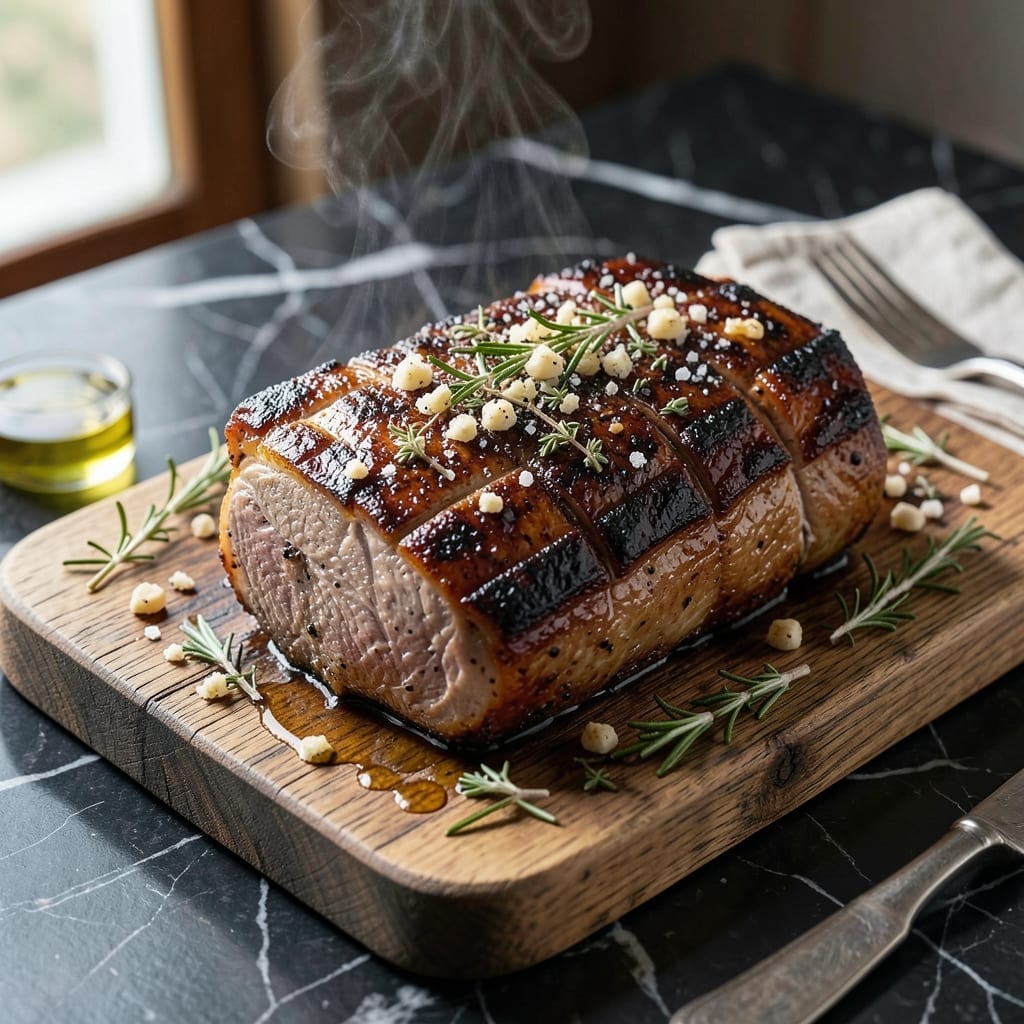
There’s nothing like the smoky char of a perfectly grilled roast to elevate a meal. This method transforms a humble cross rib roast into a centerpiece worthy of any table, with a crust that crackles and meat so tender it practically melts.
I rely on a simple herb rub and controlled heat to coax out deep, savory flavors. The key is patience—letting the roast rest after grilling ensures every slice stays juicy and rich.
You’ll taste the difference in the first bite: a perfect balance of smoky intensity and herb-infused tenderness. It’s a dish that feels special but comes together with straightforward technique.
Serve it with roasted vegetables or a fresh salad for a complete, satisfying meal.
Ingredients for Grilled Cross Rib Roast
Transform a humble cut into a showstopper with these bold, smoky ingredients for the grill.
| Ingredient | Amount | Notes |
|---|---|---|
| Cross Rib Roast 🥩 | 3 lb | Bone-in preferred for flavor |
| Coarse Kosher Salt 🧂 | 2 tbsp | Diamond Crystal preferred |
| Freshly Ground Black Pepper 🌶️ | 2 tsp | Coarse grind for texture |
| Garlic Cloves 🧄 | 6 cloves | Minced for herb rub |
| Fresh Rosemary Sprigs 🌿 | 3 whole | Leaves stripped and chopped |
| Fresh Thyme Sprigs 🍃 | 4 whole | Leaves stripped and chopped |
| Olive Oil 🫒 | ¼ cup | Extra-virgin for herb rub |
| Dijon Mustard 🟡 | 2 tbsp | For binding herb rub |
| Red Wine Vinegar 🍷 | 1 tbsp | For acidity in rub |
| Hickory Wood Chips 🪵 | 2 cups | Soaked for smoking |
| Beef Broth 🥘 | 1 cup | For mopping during grilling |
| Unsalted Butter 🧈 | 4 tbsp | For basting final crust |
[recipe_ingredient_scaler]
The cross rib roast is the star—look for well-marbled, bone-in cuts at Whole Foods or a trusted butcher. Bone-in adds depth of flavor and helps retain moisture during grilling. The herb rub demands fresh rosemary and thyme; dried won’t deliver the same aromatic punch. For the best results, organic or grass-fed beef is ideal, but a well-sourced standard cut works too.
No fresh herbs? Dried at one-third the amount—but fresh is non-negotiable for optimal flavor. Swap hickory chips for apple or cherry wood for a milder smoke. The Dijon mustard can be whole-grain for texture. If you lack beef broth, red wine or even water in a pinch, though broth adds richness. Always soak wood chips 30 minutes minimum.
The roast needs 1 hour at room temp before grilling. Leftovers keep 4-5 days refrigerated, or freeze for 3 months. Slice against the grain for maximum tenderness. The herb rub can be prepped 1 day ahead—store covered in the fridge.
Why You’ll Love This Recipe
- I’ll be real: it looks impressive, but it’s just a few ingredients and a hot grill—no fancy techniques needed.
- Set It and Forget It: Honestly, just rub the roast with salt, pepper, garlic, and rosemary, then let the grill do the work.
- That Crust Though: The coarse salt and fresh rosemary create this insane, herby crust that’ll have everyone asking for the recipe.
- Feeds My Whole Crew: Between us, this roast is my go-to for Sunday dinners, leftovers for lunch, and even sandwiches the next day.
Step-by-Step Instructions for Grilled Cross Rib Roast
Master the technique behind this dish with precision and confidence.
Step 1: Prepare the Herb Rub
Strip the leaves from the 3 whole fresh rosemary sprigs and 4 whole fresh thyme sprigs, then finely chop. Mince the 6 cloves garlic cloves until it resembles a coarse paste. This releases the maximum aromatic oils for flavor penetration.
In a bowl, combine the chopped herbs, minced garlic, 2 tbsp coarse kosher salt, 2 tsp freshly ground black pepper, 0.25 cup olive oil, 2 tbsp Dijon mustard, and 1 tbsp red wine vinegar. The mustard acts as a binder while the vinegar adds brightness to cut through the richness of the meat.
Step 2: Season and Marinate the Cross Rib Roast
Pat the 3 lb cross rib roast dry with paper towels to ensure the rub adheres properly. Apply the herb mixture evenly over all surfaces, pressing firmly to create a thick crust. The salt in the rub will begin to penetrate the meat immediately, enhancing both flavor and moisture retention.
Let the seasoned roast sit at room temperature for 1 hour before grilling. This step is crucial for even cooking and allows the salt to work deeper into the muscle fibers, ensuring the final result is consistently tender throughout.
Step 3: Set Up the Grill for Indirect Heat
Soak the 2 cups hickory wood chips in water for 30 minutes, then drain. Prepare your grill for indirect heat by banking the coals to one side or turning off one set of burners on a gas grill. Maintain a temperature of 325-350°F in the cooking zone.
Add the soaked wood chips directly to the coals or in a smoker box for gas grills. The hickory will produce a steady, aromatic smoke that complements the beef’s natural richness without overpowering it. Close the lid and allow the smoke to build for 5-10 minutes before adding the meat.
Step 4: Grill and Baste to Perfection
Place the cross rib roast on the grill grate over the indirect heat side, fat cap up. Cover and cook for approximately 1.5-2 hours, or until the internal temperature reaches 125-130°F for medium-rare. Mop the roast with 1 cup beef broth every 30-45 minutes to maintain moisture and build layers of flavor.
During the last 20 minutes, baste the roast with 4 tbsp unsalted butter for a rich, glossy crust. The butter will melt into the existing rub, creating a deeply savory bark. Rotate the roast occasionally to ensure even exposure to the smoke and heat.
Step 5: Rest and Slice
Transfer the roast to a cutting board and tent loosely with foil. Let it rest for 15-20 minutes—this allows the juices to redistribute, ensuring each slice is moist and flavorful. The internal temperature will rise by 5-10°F during this time, reaching the ideal serving temperature.
Slice against the grain into ½-inch thick pieces. Serving this dish immediately after resting guarantees the most tender texture, as the muscle fibers relax and retain their moisture. The herb crust should be deeply browned and aromatic, with a smoky depth from the hickory.
Pro Tips For Making Grilled Cross Rib Roast
- Preheat the Grill: I learned this the hard way—start with a screaming hot grill (450°F+ on the thermometer) to sear the outside fast and lock in the juices. Anything less and you’ll get a sad, gray crust.
- Score the Fat Cap: Sounds weird, but it works: cut 1/4-inch slits in the fat cap before seasoning so the salt, pepper, and garlic actually penetrate the meat instead of just sitting on top.
- Skip the Cold Roast: After ruining a perfectly good cross rib by slapping it straight from the fridge onto the grill, I now pull it out 1 hour before cooking—this guarantees even cooking and a better sear.
- Use a Meat Thermometer: Guessing doneness is a gamble—I now pull the roast at 125°F for medium-rare, tent it with foil, and let it rest 15 minutes while the temp climbs to 130°F. No more overcooked disasters.
Troubleshooting This Recipe
Uneven Cooking
If one side of your roast cooks faster, rotate it every 30 minutes during grilling. I recommend using a dual-probe thermometer to monitor both grill temperature and internal meat temp. This prevents dry edges while waiting for the center to finish.
Dry or Tough Meat
This usually means the roast cooked too hot or too fast. Stick to 325-350°F indirect heat and pull it off at 125-130°F internal. Let it rest 15-20 minutes before slicing—this step is non-negotiable for juiciness. 💡
Weak Smoke Flavor
Soak hickory wood chips for 30 minutes before use, and add them directly to hot coals. If using a gas grill, place chips in a smoker box. Avoid opening the lid too often—this lets smoke escape and lowers temperature.
Rub Not Adhering
Pat the roast completely dry with paper towels before applying the herb mixture. The Dijon mustard in the rub helps it stick, but excess moisture is the enemy. Press the rub firmly into the meat’s surface for maximum contact.
Flare-Ups
Fat dripping onto coals can cause flare-ups. Trim excess fat from the roast and keep a spray bottle of water nearby. If flames appear, move the roast to a cooler part of the grill temporarily. 🔥
Underdeveloped Crust
For a deeper bark, baste with melted butter during the last 20 minutes of cooking. This adds richness and helps the rub caramelize. Rotate the roast occasionally to ensure even browning on all sides.
Nutrition Facts
Frequently Asked Questions
Should I use bone-in or boneless?
Bone-in adds more flavor and helps retain moisture during grilling. It also creates a more impressive presentation. Expect it to take slightly longer to cook than boneless.
How do I know when it’s done?
Use a meat thermometer to check the internal temperature. Pull it off at 125-130°F for medium-rare. The temperature will rise another 5-10°F while resting.
Can I use a different wood for smoking?
Try apple or cherry wood for a milder, sweeter smoke. Hickory provides a strong, classic flavor, but other hardwoods work well too.
Why does my roast turn out dry?
This usually happens if cooked too hot or sliced too soon. Stick to 325-350°F and let it rest 15-20 minutes before cutting to retain juices.

Trained in classic French technique but raised on slow-cooked ribs and spicy rubs, she blends culinary skill with smoke and soul.
- Recipe for Boneless Pork Chops in Cast Iron Skillet: Sear and Baste to Juicy Perfection - October 3, 2026
- Recipe for Boneless Cross Rib Roast: Slow-Roasted Beef with Herb Crust - October 3, 2026
- Hamburgers in Sauce Recipe Crock Pot: Slow-Cooked Savory Delight - October 3, 2026