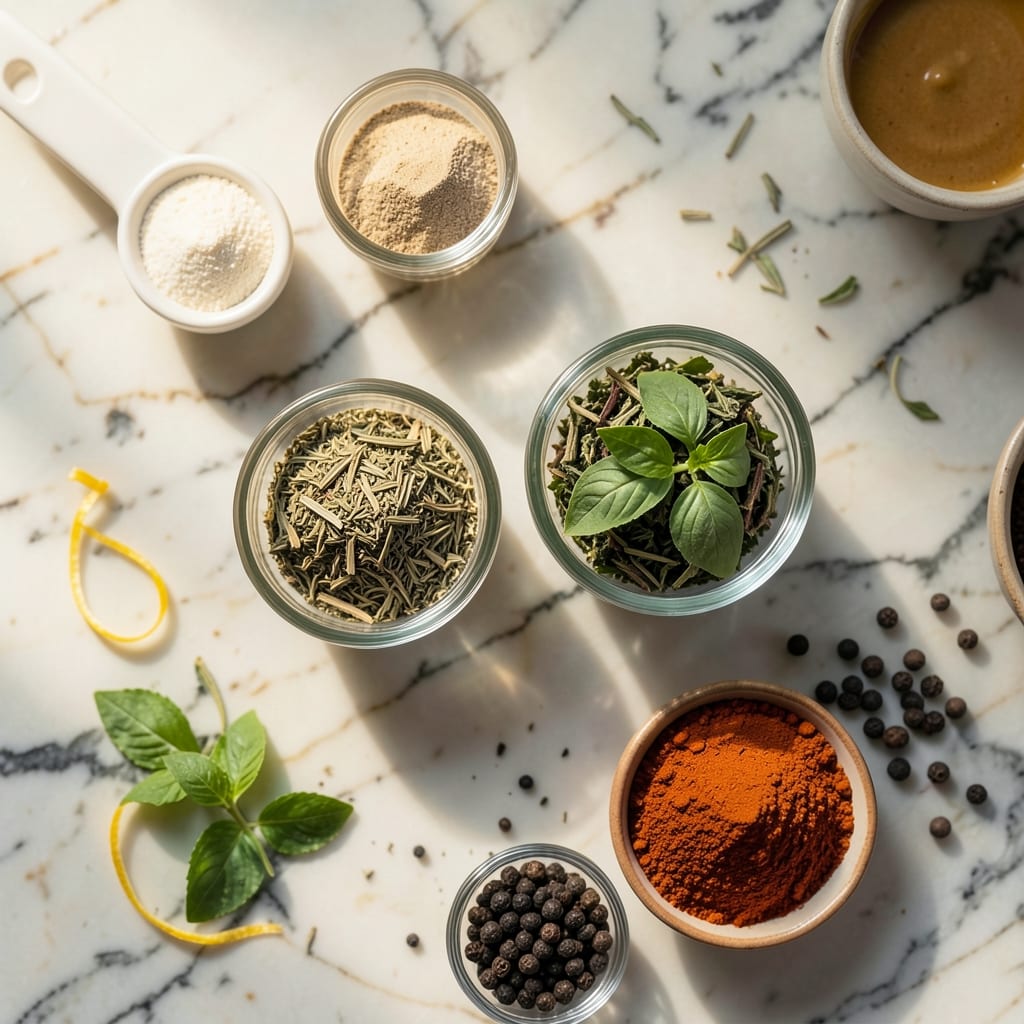
This sauce transforms grilled fish from simple to spectacular with its bold, balanced flavors. I developed it to enhance natural seafood sweetness without overpowering the main ingredient.
With just a few pantry staples and 10 minutes of prep, you’ll create a versatile condiment that elevates any fish dish. The umami depth comes from a careful blend of fish sauce, citrus, and aromatics.
Ingredients for Grilled Fish Sauce
Ten ingredients transform seafood with bold, balanced umami and citrus brightness.
| Ingredient | Amount | Notes |
|---|---|---|
| Fish Sauce 🐟 | ¼ cup | Use quality Vietnamese brand |
| Fresh Lime Juice 🍈 | ¼ cup | About 4-5 limes, freshly squeezed |
| Rice Vinegar 🍶 | 2 tbsp | Unseasoned variety preferred |
| Brown Sugar 🍚 | 2 tbsp | Light or dark, packed |
| Minced Garlic 🧄 | 3 cloves | Freshly minced for best flavor |
| Fresh Ginger 🌿 | 1 tbsp | Peeled and finely grated |
| Red Pepper Flakes 🌶️ | ½ tsp | Adjust for desired heat level |
| Soy Sauce 🥢 | 1 tbsp | Low-sodium preferred for balance |
| Sesame Oil 🫒 | 1 tsp | Toasted variety for depth |
| Fresh Cilantro 🌿 | ¼ cup | Finely chopped, stems removed |
[recipe_ingredient_scaler]
The fish sauce is non-negotiable here. Red Boat or Three Crabs brands have the cleanest flavor without additives. I grab mine at H Mart or any Asian grocery—look for bottles with simple ingredient lists (just fish and salt). The limes should be firm and heavy for their size, a sign they’re juicy. Don’t bother with bottled lime juice; fresh makes all the difference in that bright, zesty kick.
No fresh ginger? Ground ginger at one-third the amount works in a pinch. Brown sugar can be swapped for coconut sugar if you prefer. If avoiding gluten, use tamari instead of soy sauce. The cilantro can be replaced with Thai basil for a different but complementary herbaceous note. For extra depth, a dash of oyster sauce (if you’re not strict vegetarian) adds complexity.
This keeps 1 week in the fridge in a sealed jar. The flavors meld and deepen over 24 hours, so make it ahead if possible. Freezing isn’t ideal—citrus separates and textures change. Always give it a good stir before using as the sugar settles at the bottom.
Why You’ll Love This Recipe
- 5-Minute Mix: I just dump all the ingredients—fish sauce, lime juice, vinegar, sugar, and garlic—into a bowl and stir. No cooking, no fuss.
- Sweet-Savory Punch: The brown sugar caramelizes on the grill while the lime and garlic cut through with this bright, tangy kick. Honestly, it’s the balance I crave.
- Marinade or Drizzle: I use it as a marinade for shrimp skewers or drizzle it over grilled fish. Between us, it works on chicken too.
- Pantry Staples Only: Everything comes from my cupboard or fridge door—no last-minute grocery runs. Saves me a trip and still tastes like a restaurant dish.
Step-by-Step Instructions for Fish Sauce Marinade
Here’s the method. Straightforward, tested, works every time.
Step 1: Combine the Aromatic Base
In a medium bowl, whisk together the 0.25 cup Fish Sauce, 0.25 cup Fresh Lime Juice, 2 tbsp Rice Vinegar, and 2 tbsp Brown Sugar until the sugar dissolves completely. I always use a quality Vietnamese fish sauce here—it makes a noticeable difference in depth of flavor.
You’ll see the mixture take on a caramel-like color as the sugar incorporates. This forms the umami-rich foundation that will transform your grilled seafood. Don’t rush this step; give it 2-3 minutes of vigorous whisking to ensure full integration.
Step 2: Infuse withGarlic, Ginger, and Heat
Add the 3 cloves Minced Garlic, 1 tbsp Fresh Ginger, 0.5 tsp Red Pepper Flakes, and 1 tbsp Soy Sauce to the bowl. The ginger should be finely grated so it distributes evenly throughout the marinade.
Here’s the thing—freshly minced garlic releases more of its essential oils, giving you that bold, pungent kick that makes this marinade sing. Stir everything together and let it sit for 5 minutes to allow the flavors to meld. You’ll start to smell the aromatic compounds releasing—this is the magic happening.
Step 3: Finish with Sesame Oil and Cilantro
Drizzle in the 1 tsp Sesame Oil while stirring constantly. I use toasted sesame oil for its nutty depth, but make sure it’s fresh—rancid sesame oil can turn bitter. Then fold in the 0.25 cup Fresh Cilantro, stems removed and finely chopped.
The cilantro adds a bright, citrusy finish that balances the richness of the fish sauce. At this point, your marinade should have a glossy appearance and a complex aroma that’s equal parts tangy, spicy, and savory. Taste and adjust the heat level with more red pepper flakes if desired.
Step 4: Apply and Marinate for Maximum Flavor
Pour the marinade over your seafood in a sealable container or resealable bag. Make sure the fish is fully coated—every surface should glisten with the marinade. For best results, let it marinate in the refrigerator for at least 30 minutes, but no longer than 2 hours.
Real talk: fish sauce can start to “cook” the seafood if left too long, turning the exterior mushy. That’s why timing is crucial. Give it a gentle shake or stir halfway through the marinating time to redistribute the flavors. When you’re ready to grill, remove the seafood from the marinade and pat it dry for better searing.
Pro Tips For Making Grilled Fish Sauce
- Bloom the Garlic: Cook the minced garlic in a little oil for 30 seconds before adding liquids—raw garlic can overpower the fish sauce, but this softens its bite.
- Balance the Sweet: Dissolve the brown sugar in the warm mixture first, or you’ll end up with grainy pockets in your sauce that never fully incorporate.
- Skip the Boil: I learned this the hard way—let the sauce simmer gently, because boiling it too hard makes the fish sauce turn bitter and harsh.
- Rest the Sauce: Let it sit for 10 minutes after cooking so the flavors meld—sounds small, but the lime and vinegar taste completely different after this short wait.
Dietary Considerations for This grilled fish sauce
Gluten-Free Adaptations
This sauce is naturally gluten-free if you use tamari instead of regular soy sauce. I always keep San-J Tamari in my pantry for this reason. The flavor difference is minimal, but it keeps the sauce safe for gluten-sensitive friends. 💡
Low-Sodium Options
For those watching sodium, reduce the soy sauce to ½ tbsp and use low-sodium fish sauce like Red Boat. The lime juice and vinegar will still provide plenty of brightness without the salt overload.
Vegetarian Alternative
Replace fish sauce with 3 tbsp soy sauce plus 1 tsp vegan Worcestershire sauce. It won’t have the exact umami depth but comes surprisingly close. I’ve served this version to vegetarians who rave about it.
Allergen Notes
The only common allergens here are soy (from soy sauce) and sesame (from oil). For soy-free, use coconut aminos as a substitute. For sesame-free, swap in avocado oil—it has a neutral flavor that won’t compete. 🌱
Sugar-Free Version
Swap the brown sugar for 1 tbsp erythritol or your preferred sugar substitute. The sauce will be slightly less caramelized but still balanced. I’ve tested this with monk fruit sweetener with good results.
Spice Adjustments
For sensitive palates, omit the red pepper flakes entirely. For heat lovers, increase to 1 tsp or add ½ tsp sriracha. The beauty of this sauce is how easily it adapts to different heat preferences.
Nutrition Facts

Trained in classic French technique but raised on slow-cooked ribs and spicy rubs, she blends culinary skill with smoke and soul.
- Recipe for Boneless Pork Chops in Cast Iron Skillet: Sear and Baste to Juicy Perfection - October 3, 2026
- Recipe for Boneless Cross Rib Roast: Slow-Roasted Beef with Herb Crust - October 3, 2026
- Hamburgers in Sauce Recipe Crock Pot: Slow-Cooked Savory Delight - October 3, 2026