There’s nothing like the smell of pork roasting over wood fire, the smoke curling through the air as the meat slowly cooks to moist perfection. My years of pitmaster experience taught me that patience and the right technique are key.
This method ensures a crisp exterior while keeping the center tender and juicy. The result is a dish that brings the depth of wood-fired cooking to your table with every bite.
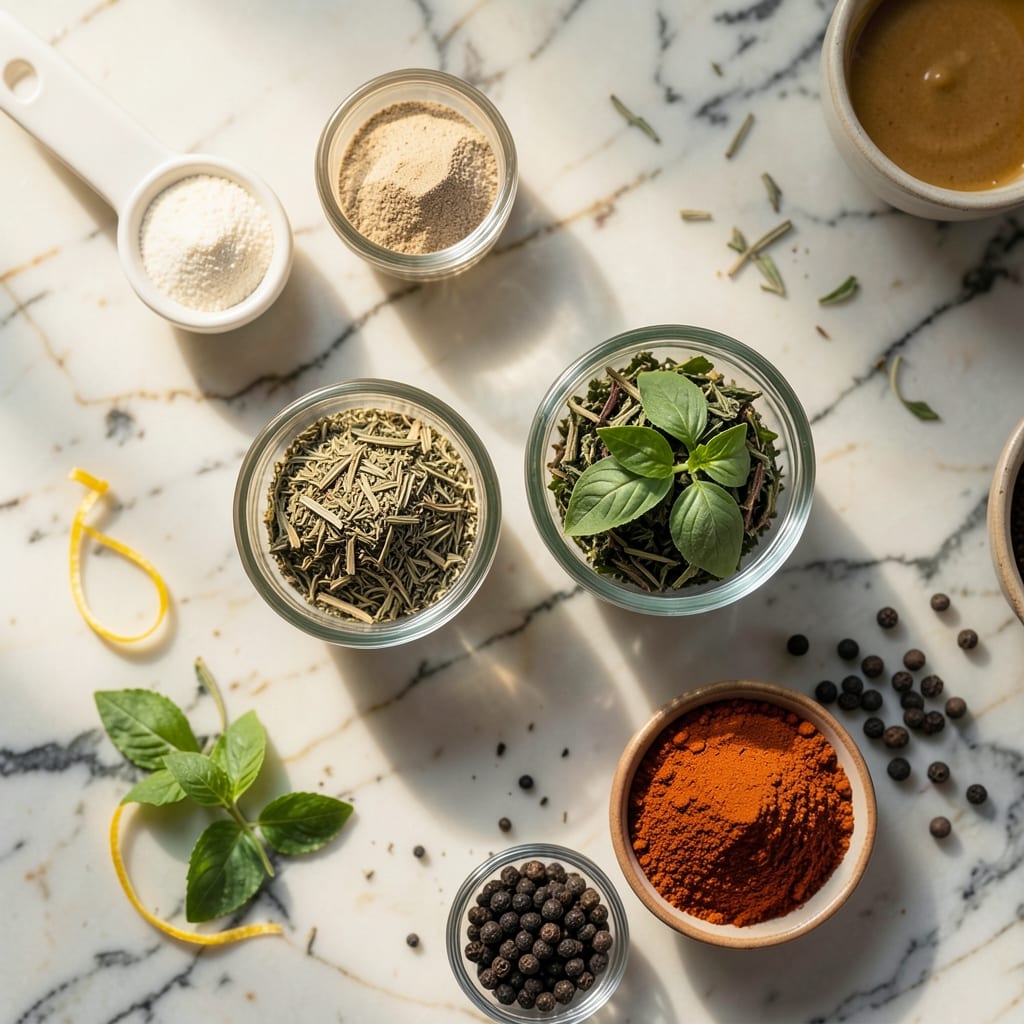
Ingredients for Grilled Pork Roast
Simple rub, quality pork, and wood smoke. That’s the magic right there.
| Ingredient | Amount | Notes |
|---|---|---|
| Pork Shoulder Roast 🍖 | 3 lb | Bone-in for best flavor |
| Coarse Kosher Salt 🧂 | 2 tbsp | Diamond Crystal preferred |
| Black Pepper 🌶️ | 2 tsp | Freshly ground for best taste |
| Garlic Powder 🧄 | 1 tbsp | Not garlic salt |
| Onion Powder 🧅 | 1 tbsp | Adds depth to rub |
| Smoked Paprika 🌶️ | 1 tbsp | For authentic smoke flavor |
| Brown Sugar 🍚 | 2 tbsp | Light or dark works |
| Olive Oil 🫒 | 2 tbsp | For binding the rub |
| Apple Cider Vinegar 🍏 | ¼ cup | For tangy brightness |
| Wood Chips 🪵 | 2 cups | Hickory or applewood ideal |
| Yellow Mustard 🟡 | 2 tbsp | For binder and tang |
| Fresh Rosemary 🌿 | 2 sprigs | Optional for extra aroma |
[recipe_ingredient_scaler]
The pork matters most. Bone-in pork shoulder gives you that fall-apart texture—boneless works but isn’t as juicy. Look for good marbling and a nice fat cap. I grab mine from Costco or a local butcher if I’m feeling fancy. The fat cap should be at least 1/4-inch thick (don’t trim it—it keeps the meat moist). For wood chips, hickory gives you that classic BBQ flavor, but apple or cherry wood adds a sweeter note.
No pork shoulder? Pork butt is the same cut—just a different name. Short on time? Use country-style ribs (they’re cut from the shoulder). Out of smoked paprika? Regular paprika plus 1/2 tsp liquid smoke works in a pinch. The brown sugar can be swapped for maple syrup if you prefer a stickier crust. Don’t have apple cider vinegar? White vinegar or lemon juice will do.
Store the pork in the fridge for up to 3 days before cooking, or freeze for 6 months. Wood chips should be kept dry in a sealed container—they’ll last indefinitely. Leftovers? Shred and use for sandwiches or tacos. Keeps 4-5 days in the fridge.
Why You’ll Love This Recipe
- One Pan Grill: I just season the pork shoulder with salt, pepper, garlic and onion powder, then let the grill do the work.
- Smoky, Savory Crust: The coarse kosher salt and spices form this incredible crust that’s crispy on the outside, juicy inside.
- Feeds the Crew: Honestly, this roast stretches for sandwiches, tacos, or a hearty dinner—plenty for leftovers.
- Budget Hero: Pork shoulder is affordable, and a single roast gives me multiple meals without breaking the bank.
Step-by-Step Instructions for Grilled Pork Roast
Here’s how I nail this every time—simple steps, incredible flavor.
Step 1: Prepare the Rub and Season the Roast
In a small bowl, combine the 2 tbsp coarse kosher salt, 2 tsp black pepper, 1 tbsp garlic powder, 1 tbsp onion powder, 1 tbsp smoked paprika, and 2 tbsp brown sugar. This mix gives you that perfect balance of savory, smoky, and just a touch of sweetness.
Pat the 3 lb pork shoulder roast dry with paper towels, then rub it all over with the 2 tbsp yellow mustard—this helps the dry rub stick and adds a subtle tang. Sprinkle the rub mixture evenly over every surface, pressing it in gently. Don’t skip the sides; you want flavor in every bite.
Step 2: Set Up Your Grill for Indirect Heat
Soak the 2 cups wood chips in water for at least 30 minutes to prevent them from burning up too quickly. While they soak, preheat your grill to medium-high heat (around 375°F). For a charcoal grill, bank the coals to one side. For gas, turn off the burners on one side.
Once hot, drain the wood chips and place them directly on the coals or in a smoker box for gas grills. Add the 2 sprigs fresh rosemary to the coals for an extra aromatic kick. You want a consistent 350-375°F in the indirect zone where the pork will cook.
Step 3: Grill the Pork Low and Slow
Place the roast on the grill grates over the indirect heat side. Cover the grill and let it cook undisturbed for 2 to 2.5 hours, or until the internal temperature reaches 195-200°F. This low-and-slow method ensures a moist center and tender, fall-apart texture.
Every 45 minutes, check the grill temperature and add more coals or adjust the burners as needed to maintain heat. Spritz the roast with the 0.25 cup apple cider vinegar halfway through to keep it moist and add a tangy brightness. Don’t flip it—let the heat and smoke work their magic from all sides.
Step 4: Rest and Serve
Once the pork reaches temperature, transfer it to a cutting board and tent it loosely with foil. Let it rest for 15-20 minutes—this is non-negotiable for keeping all those juices locked in. The temperature will climb a few more degrees as it rests, which is exactly what you want.
Shred or slice the pork against the grain, then drizzle any accumulated juices from the board back over the top. The meat should be tender, smoky, and just the right amount of moist, with a beautiful bark from the rub. Serve it up while it’s hot and enjoy the wood-fired flavor.
Pro Tips For Making Grilled Pork Roast
- Preheat the Grill: Get your grill screaming hot—400°F minimum—before the pork hits the grates. I learned this the hard way after too many lukewarm starts left me with pale, sad meat.
- Score the Fat: Cut 1/4-inch deep slashes in the fat cap so the salt, garlic powder, and onion powder actually penetrate. Sounds weird, but it works—flavor gets locked in instead of sitting on the surface.
- Skip the Direct Flame: Pork shoulder is forgiving, but it’s fatty and prone to flare-ups. Keep it over indirect heat after searing to avoid charred edges and raw centers.
- Rest Before Slicing: Tent it with foil and let it sit for 15-20 minutes after grilling. After burning three batches rushing this step, I finally figured out the juices need time to redistribute.
Best Sauces and Condiments for This Dish
Classic BBQ Sauce
My go-to is a Kansas City-style sauce—sweet, tangy, and thick. I use Stubb’s Original for its balanced flavor that complements the smoky pork without overpowering it. Brush it on during the last 30 minutes of grilling for a sticky, caramelized glaze. 🔥
Alabama White Sauce
This mayonnaise-based sauce with apple cider vinegar and horseradish adds a creamy, tangy contrast to the rich pork. Whisk 1 cup mayo, ¼ cup vinegar, 2 tbsp horseradish, and 1 tsp black pepper for an authentic Southern touch.
Chimichurri
For a fresh, herbaceous twist, blend 1 cup parsley, 4 garlic cloves, ¼ cup olive oil, 2 tbsp red wine vinegar, and ½ tsp red pepper flakes. Drizzle over sliced pork just before serving. The acidity cuts through the fat beautifully.
Spicy Mustard Sauce
Mix ½ cup yellow mustard, ¼ cup honey, 2 tbsp apple cider vinegar, and 1 tsp cayenne pepper for a bold, sweet-heat combo. I love this with the smoky rub already on the pork—it’s a flavor explosion.
Apple Butter Glaze
Simmer 1 cup apple butter with 2 tbsp apple cider vinegar and 1 tbsp brown sugar until thickened. Brush on the pork during the last 20 minutes of cooking for a fruity, caramelized finish. It’s like fall in a bite. 🍏
Pickled Vegetables
Serve with quick-pickled red onions or jalapeños for a bright, crunchy contrast. Thinly slice 1 onion and soak in ½ cup apple cider vinegar, 1 tbsp sugar, and 1 tsp salt for at least 1 hour. The acidity balances the richness perfectly.
Nutrition Facts

Trained in classic French technique but raised on slow-cooked ribs and spicy rubs, she blends culinary skill with smoke and soul.
- Recipe for Boneless Pork Chops in Cast Iron Skillet: Sear and Baste to Juicy Perfection - October 3, 2026
- Recipe for Boneless Cross Rib Roast: Slow-Roasted Beef with Herb Crust - October 3, 2026
- Hamburgers in Sauce Recipe Crock Pot: Slow-Cooked Savory Delight - October 3, 2026