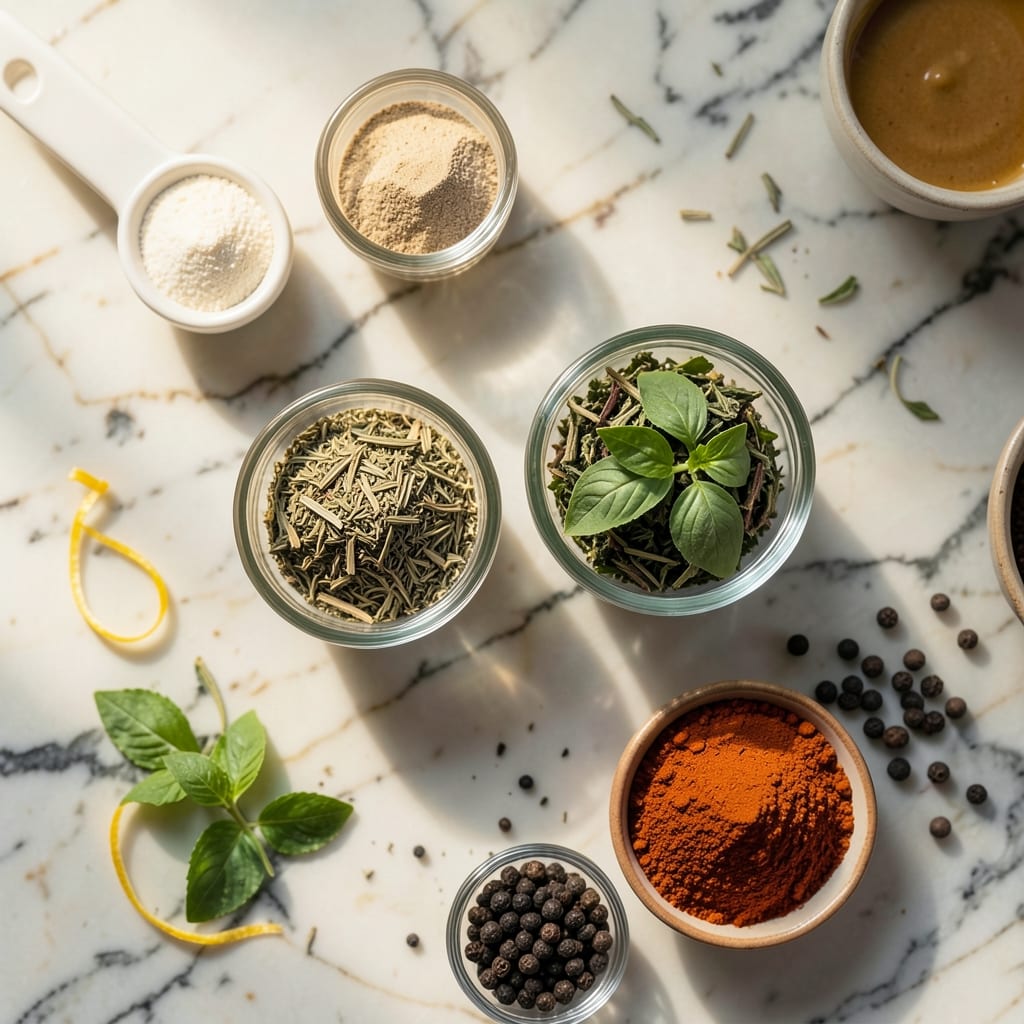
There’s nothing like the deep, smoky aroma of pork shoulder slow-grilled over applewood. This method transforms tough cuts into fall-apart tender meat with a rich, caramelized crust.
I’ve perfected this technique through years of competition and backyard cookouts, balancing heat and time for juicy, flavorful results every time. The applewood adds just the right sweetness to complement the pork’s natural richness.
Ingredients for Grilled Pork Shoulder
Slow-grilled pork shoulder meets applewood smoke for fall-apart tender results every time.
| Ingredient | Amount | Notes |
|---|---|---|
| Pork Shoulder 🥩 | 4 lb | Bone-in, skin-on preferred |
| Applewood Chips 🌳 | 2 cups | Soaked in water 30 minutes |
| Kosher Salt 🧂 | 2 tbsp | Diamond Crystal preferred |
| Black Pepper 🌶️ | 2 tsp | Freshly ground coarse |
| Garlic Powder 🧄 | 1 tbsp | For dry rub base |
| Onion Powder 🧅 | 1 tbsp | Balances sweetness |
| Smoked Paprika 🌶️ | 1 tbsp | Deepens smoke flavor |
| Brown Sugar 🍚 | ¼ cup | Light or dark variety |
| Yellow Mustard 🟡 | ¼ cup | Binder for dry rub |
| Apple Cider Vinegar 🍏 | ¼ cup | For tangy mop sauce |
| Olive Oil 🫒 | 2 tbsp | For searing crust |
| Beer 🍺 | 1 cup | Dark lager preferred |
[recipe_ingredient_scaler]
The pork shoulder is non-negotiable—bone-in, skin-on retains moisture during the long cook. Costco or Sam’s Club offer quality cuts in bulk, but your local butcher can source Berkshire or Duroc for superior marbling. Applewood chips must be 100% natural (no lighter fluid residues). Soak them thoroughly to prevent flare-ups that char the exterior before the interior cooks through.
Out of applewood? Cherry or hickory provide solid alternatives with slightly different sweetness profiles. No beer on hand? Apple cider plus a splash of vinegar mimics the acidity and sugar balance. For the dry rub, freshly toasted spices elevate the flavor, but pre-mixed BBQ rub at one-third the quantity works in a pinch. The mustard can be Dijon if you prefer a sharper bite.
Uncooked pork keeps 3-4 days in the fridge or 6-12 months frozen. Once grilled, shredded pork freezes beautifully for 3 months. Reheat in its juices to maintain moisture (the collagen breaks down into gelatin, which solidifies when cold but reliquifies when warmed).
Why You’ll Love This Recipe
- Set It & Forget It: Honestly, just rub the pork shoulder with salt, pepper, and garlic powder, toss it on the grill with applewood chips, and let the smoker do the work.
- Smoky, Savory Depth: That applewood smoke combined with the garlic powder gives it a rich, deep flavor that’s hard to beat.
- Feeds a Hungry Crowd: I’ve served this at summer BBQs and Sunday dinners—it’s always a hit, and there’s plenty to go around.
- Leftovers for Days: One pork shoulder means pulled pork sandwiches, tacos, or nachos all week long.
Step-by-Step Instructions for Applewood Smoke-Infused Grilled Pork Shoulder
Master the technique for fall-apart tender pork with deep smoke penetration and caramelized crust.
Step 1: Prepare the Dry Rub and Coat the Pork Shoulder
In a small bowl, combine the 2 tbsp Kosher Salt, 2 tsp Black Pepper, 1 tbsp Garlic Powder, 1 tbsp Onion Powder, 1 tbsp Smoked Paprika, and 0.25 cup Brown Sugar. Stir until the mixture is uniform, with the brown sugar fully integrated into the spices.
Pat the 4 lb Pork Shoulder dry with paper towels to ensure the rub adheres properly. Apply the 0.25 cup Yellow Mustard evenly over all surfaces of the pork—this acts as a binder. Massage the dry rub into the mustard-coated pork, pressing firmly to create a thick, even crust. Let it sit at room temperature for 30 minutes while you prepare the grill.
Step 2: Set Up the Grill for Indirect Heat with Applewood Smoke
Soak the 2 cups Applewood Chips in water for 30 minutes to prevent them from burning too quickly. Drain them just before use. Set up your grill for indirect heat: bank the coals to one side for charcoal or turn off one set of burners for gas grills.
Place the soaked applewood chips directly on the hot coals or in a smoker box over the lit burners. The goal is to maintain a consistent temperature of 275-300°F with steady, thin blue smoke. Close the lid and let the chips begin to smolder before adding the pork.
Step 3: Sear and Smoke the Pork Shoulder
Place the pork shoulder on the grill grates over direct heat. Sear for 3-4 minutes per side to develop a deep, caramelized crust. Use the 2 tbsp Olive Oil to brush the grates lightly if the pork sticks.
Move the pork to the indirect heat side, fat cap up. Close the lid and maintain the temperature between 275-300°F. Smoke the pork for 4-5 hours, or until the internal temperature reaches 165°F and the bark is dark and firm to the touch.
Step 4: Mop with Vinegar and Beer for Moisture and Flavor
In a small bowl, whisk together the 0.25 cup Apple Cider Vinegar and 1 cup Beer. This tangy mop sauce will keep the pork moist and add layers of flavor.
Every 45-60 minutes, baste the pork shoulder generously with the vinegar and beer mixture. This step not only adds moisture but also builds a sticky, flavorful glaze. Continue smoking until the internal temperature reaches 195-203°F and the pork is probe-tender, typically another 2-3 hours.
Step 5: Rest and Shred the Pork Shoulder
Once the pork reaches the target temperature, transfer it to a large cutting board or serving tray. Tent loosely with foil and let it rest for 30-45 minutes. This allows the juices to redistribute and the collagen to fully break down.
After resting, shred the pork shoulder using two forks or meat claws. Discard any large fat chunks or connective tissue. The pork should pull apart effortlessly, with a smoky, caramelized crust and tender, juicy interior. Serve immediately with the remaining mop sauce drizzled on top.
Pro Tips For Making Grilled Pork Shoulder
- Preheat the Wood: Soak your applewood chips for at least 30 minutes before grilling—dry chips burn too fast and give bitter smoke. I learned this the hard way after ruining a perfectly good pork shoulder with acrid flavor.
- Score the Fat: Cut 1/4-inch deep crosshatches into the pork shoulder’s fat cap so the salt, pepper, and garlic powder actually penetrate. Sounds tedious, but it makes the seasoning stick and crisp up the skin.
- Avoid High Heat: Keep your grill around 225-250°F—any hotter and the outside burns before the inside gets tender. After charring a few shoulders, I finally accepted that low and slow is non-negotiable here.
- Rest Before Slicing: Pull the pork off when it hits 195°F internally, tent it with foil, and let it rest for 20 minutes. Skipping this step means all the juices will end up on your cutting board, not in the meat.
Essential Equipment for Perfect Results
Grill Setup Essentials
For this long cook, you need a grill with excellent heat control. My go-to is a Weber Smokey Mountain—it maintains steady 275-300°F temps for hours. A quality thermometer like ThermoWorks Smoke is non-negotiable for monitoring both grill and meat temperatures. 🔥
Fuel and Smoke
Use natural lump charcoal for consistent heat without chemical flavors. I prefer Jealous Devil brand for its long burn time. For wood chips, applewood is key, but cherry or hickory work as backups. Always soak chips for 30 minutes before using.
Handling Tools
Invest in 12-inch tongs for safe pork handling and heat-resistant gloves for adjusting coals. A spray bottle of water helps control flare-ups. I keep a chimney starter handy for adding fresh coals during the cook.
Resting Equipment
After smoking, you’ll need a large cutting board and meat claws for shredding. I use a bamboo board that won’t dull my knives. A meat thermometer with probe is essential for checking doneness in multiple spots.
Mop Sauce Supplies
For basting, a silicon brush handles the vinegar-beer mixture best. Keep a small bowl of mop sauce near the grill. I also recommend a drip pan under the pork to catch juices for later use in sauces.
Backup Options
If you don’t have a smoker, a kettle grill with a slow ‘n sear insert works great. For apartment cooking, an electric smoker like Masterbuilt can replicate the process. Always have extra fuel on hand for long cooks. 💡
Nutrition Facts

Trained in classic French technique but raised on slow-cooked ribs and spicy rubs, she blends culinary skill with smoke and soul.
- Recipe for Boneless Pork Chops in Cast Iron Skillet: Sear and Baste to Juicy Perfection - October 3, 2026
- Recipe for Boneless Cross Rib Roast: Slow-Roasted Beef with Herb Crust - October 3, 2026
- Hamburgers in Sauce Recipe Crock Pot: Slow-Cooked Savory Delight - October 3, 2026