There’s nothing like the aroma of pork sirloin hitting a hot grill to signal a perfect cookout. This method delivers smoky, seared results with a fragrant garlic herb finish.
I developed this technique combining my pitmaster roots with French precision. The key is high heat and proper resting time to achieve juicy, tender meat every time.
Ingredients for Grilled Pork Sirloin
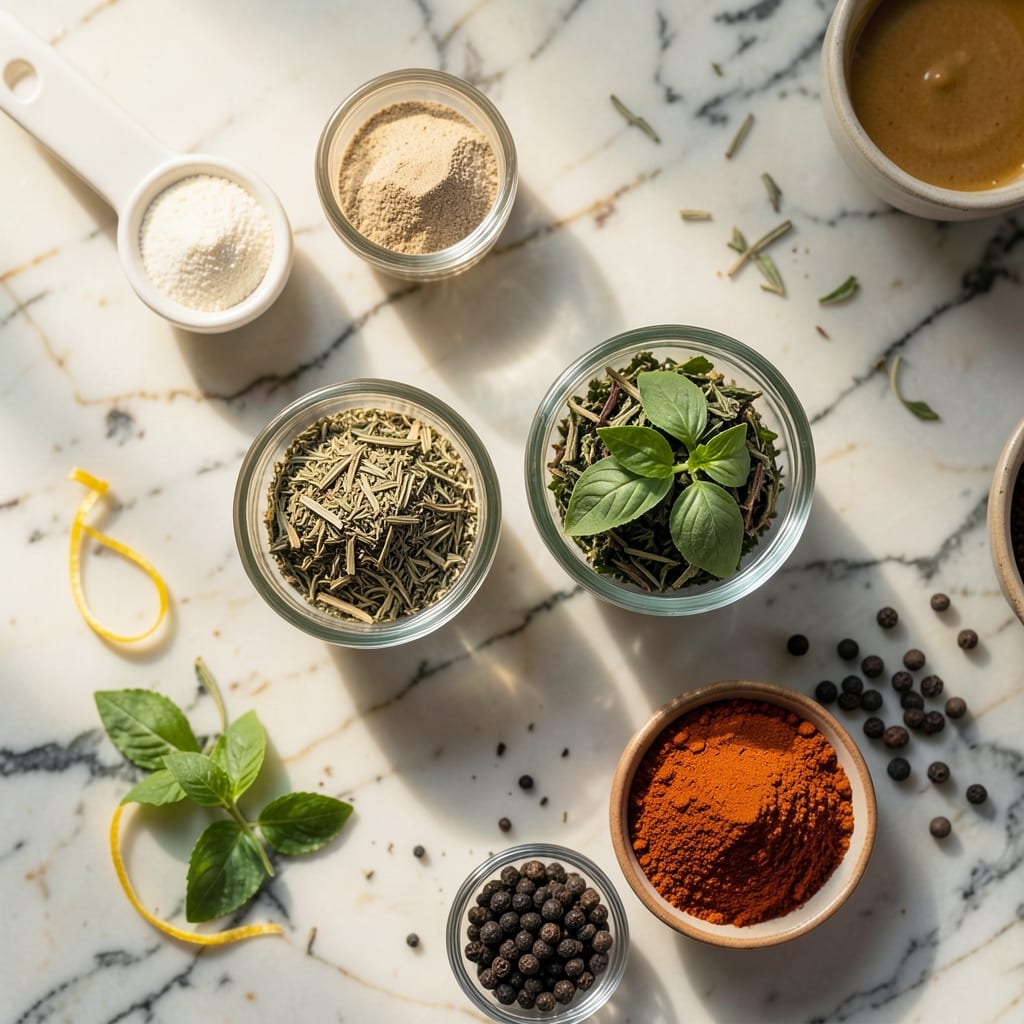
Twelve ingredients transform pork sirloin into a smoky, herb-kissed masterpiece on your grill.
| Ingredient | Amount | Notes |
|---|---|---|
| Pork Sirloin 🥩 | 2 lb | Boneless, trimmed of excess fat |
| Olive Oil 🫒 | 2 tbsp | Extra-virgin for best flavor |
| Garlic Cloves 🧄 | 4 cloves | Minced for herb finish |
| Fresh Rosemary 🌿 | 2 tbsp | Finely chopped, stems discarded |
| Fresh Thyme 🍃 | 2 tbsp | Leaves stripped from stems |
| Kosher Salt 🧂 | 1 ½ tsp | Diamond Crystal preferred for texture |
| Black Pepper 🌶️ | 1 tsp | Freshly ground for best aroma |
| Smoked Paprika 🌶️ | 1 tsp | For enhanced smoky depth |
| Dijon Mustard 🟡 | 1 tbsp | For herb finish binding |
| Red Wine Vinegar 💧 | 1 tbsp | Balances richness of pork |
| Brown Sugar 🏝️ | 1 tbsp | Light or dark, packed |
| Lemon Zest 🍋 | 1 tsp | Freshly grated for brightness |
[recipe_ingredient_scaler]
The pork sirloin is non-negotiable—opt for boneless with even marbling. Whole Foods or Costco offer consistent quality. For the herb finish, fresh rosemary and thyme are essential; dried simply won’t deliver the same aromatic impact. The olive oil should be extra-virgin (trust me on the full-fat version) to stand up to the high heat and complement the pork’s richness.
No fresh herbs? Dried at one-third the amount, but expect a muted flavor. Swap smoked paprika for regular if you prefer less intensity. Apple cider vinegar can replace red wine vinegar in a pinch. For sweetness, honey works at a 1:1 ratio if you’re out of brown sugar. The Dijon mustard binds the finish—whole-grain mustard adds texture but slightly alters the flavor profile.
Prep the herb finish up to 24 hours ahead—flavors meld beautifully. Store leftover pork wrapped tightly in the fridge for 3-4 days or freeze for 3 months. Always bring meat to room temperature before grilling (worth the extra minute).
Why You’ll Love This Recipe
- I’ll be real: the slices taste even better the next day in sandwiches or salads.
- One Pan Wonder: I just toss the sirloin with olive oil, garlic, rosemary, and thyme—no fancy marinades or extra bowls.
- Herb-Infused Magic: The fresh rosemary and thyme with garlic? Honestly, it makes the pork taste like it came from a high-end grill joint.
- Weeknight Hero: Between us, this works for a quick dinner or feeding guests without extra stress.
Step-by-Step Instructions for Grilled Pork Sirloin
Master the grill with this method—precise timing and technique guarantee smoky, juicy results.
Step 1: Prepare the Pork Sirloin with Dry Rub
Pat the 2 lb pork sirloin dry with paper towels to ensure a good sear. In a small bowl, combine the 1.5 tsp kosher salt, 1 tsp black pepper, 1 tsp smoked paprika, 1 tbsp brown sugar, and 1 tsp lemon zest.
Rub this mixture evenly over all surfaces of the pork, pressing gently to adhere. This creates a flavorful crust while enhancing the meat’s natural moisture. Let the seasoned pork sit at room temperature for 20-30 minutes before grilling—this ensures even cooking throughout.
Step 2: Sear Over Direct Heat for Crust Formation
Preheat your grill to medium-high heat (about 400°F). Brush the grates clean and oil them lightly with the 2 tbsp olive oil. Place the pork sirloin on the grill and sear for 4-5 minutes per side to develop a deep, caramelized crust.
Watch for rich brown grill marks and a slight char around the edges. Avoid moving the pork too soon—it should release naturally when ready to flip. This initial sear locks in juices and builds the smoky foundation for your dish.
Step 3: Finish with Indirect Heat and Herb Glaze
Reduce the heat to medium (about 350°F) and move the pork to the indirect heat zone. In a small bowl, whisk together the 1 tbsp Dijon mustard, 1 tbsp red wine vinegar, 2 tbsp fresh rosemary, and 2 tbsp fresh thyme.
Brush this herb mixture generously over the pork. Close the lid and cook for an additional 15-20 minutes, or until the internal temperature reaches 145°F. The glaze will caramelize slightly, infusing the meat with aromatic depth while keeping it moist.
Step 4: Rest and Serve
Transfer the pork to a cutting board and tent loosely with foil. Let it rest for 10 minutes—this allows the juices to redistribute for maximum tenderness. The internal temperature will rise slightly during resting, reaching the ideal 150°F for serving.
Slice against the grain into ½-inch thick pieces. The pork should be juicy with a slight pink center, encased in a flavorful, herb-kissed crust. Serve immediately to preserve the perfect texture and temperature.
Pro Tips For Making Grilled Pork Sirloin
- Rest the Meat: Let the pork sirloin sit at room temperature for 20-30 minutes before grilling—cold meat seizes up and cooks unevenly, and I learned this the hard way with dry, tough cuts.
- Pound the Thickness: Use a meat mallet to even out the sirloin to about 1-inch thickness so it cooks through without burning the outside while the inside stays raw.
- Chop Herbs Fine: Mince the rosemary and thyme finely—big sprigs can burn on the grill and leave bitter, charred bits on the meat.
- Oil the Grates: Rub a paper towel soaked in olive oil over the hot grates right before cooking to prevent sticking, especially with lean cuts like sirloin that don’t have much fat.
Perfect Pairings for These Flavors
Side Dish Pairings
Grilled asparagus spears tossed with the same olive oil and a pinch of salt make a perfect match. I love the charred tips and tender stalks. For a heartier option, try garlic mashed potatoes with a splash of cream.
Fresh Salad Options
A crisp arugula salad with shaved Parmesan and lemon vinaigrette cuts through the richness. I use 3 cups arugula and 1 tbsp lemon juice for balance. Alternatively, a classic Caprese salad with ripe tomatoes and fresh basil works beautifully.
Wine Pairings
A medium-bodied Pinot Noir from Oregon complements the smoky flavors without overpowering. For white wine lovers, a crisp Sauvignon Blanc with citrus notes refreshes the palate. I always chill whites to 45-50°F for optimal enjoyment. 🍷
Beer Pairings
An amber ale with caramel notes enhances the pork’s sweetness. A dry cider offers a lighter, fruit-forward contrast. My local brewery’s seasonal honey blonde ale is my personal favorite with this dish.
Bread and Carbs
Warm crusty bread soaks up every bit of the herb glaze. For a Southern touch, serve with cornbread and a drizzle of honey. I bake mine with 1 tbsp brown sugar for extra sweetness. 💛
Finishing Touches
Add a sprinkle of fresh parsley for color and freshness. A side of grainy mustard offers a tangy dip for the pork. I always keep a jar of Dijon mustard handy for extra flavor.
Nutrition Facts

Trained in classic French technique but raised on slow-cooked ribs and spicy rubs, she blends culinary skill with smoke and soul.
- Recipe for Boneless Pork Chops in Cast Iron Skillet: Sear and Baste to Juicy Perfection - October 3, 2026
- Recipe for Boneless Cross Rib Roast: Slow-Roasted Beef with Herb Crust - October 3, 2026
- Hamburgers in Sauce Recipe Crock Pot: Slow-Cooked Savory Delight - October 3, 2026