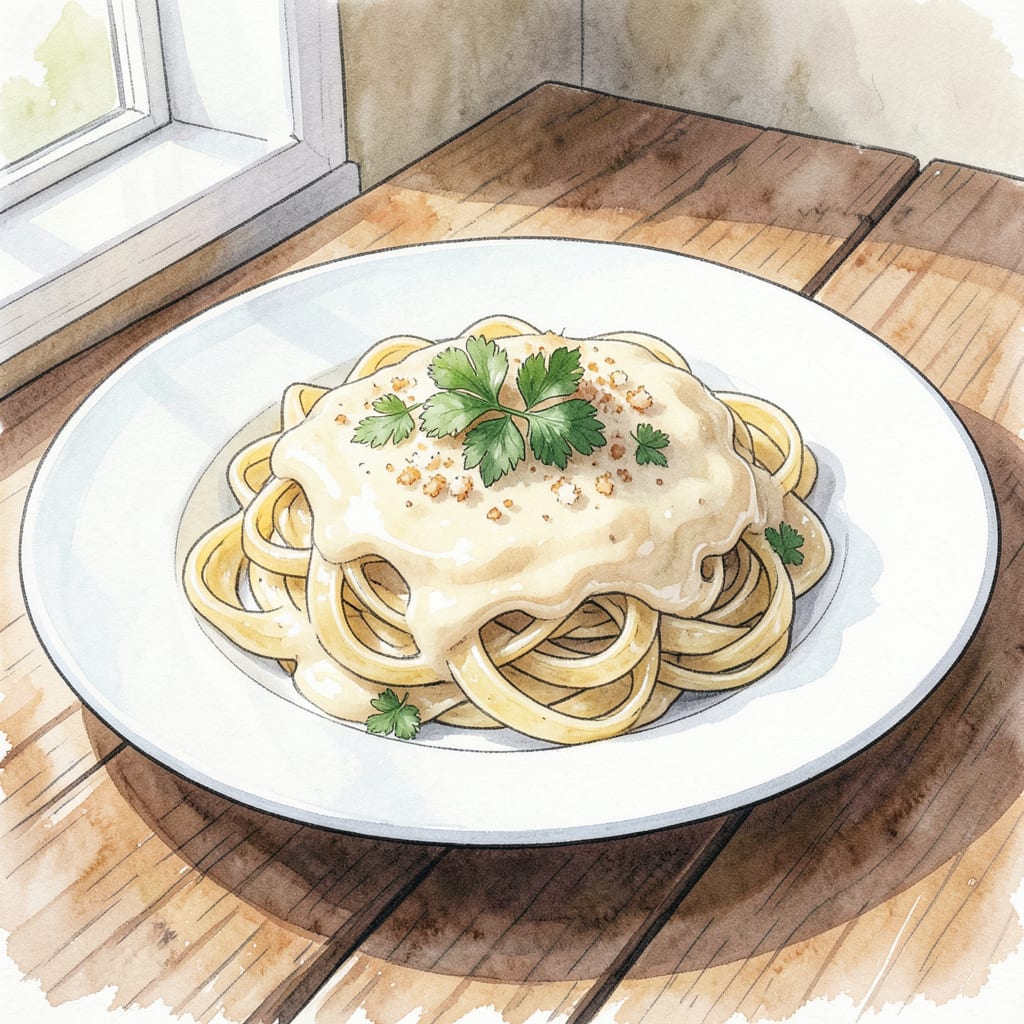
As a pitmaster with French technique training, I’ve discovered that a good Alfredo sauce can elevate any pasta dish. 🔥 My homemade Alfredo recipe delivers a creamy sauce in just 15 minutes, perfect for weeknight dinners or special occasions.
This recipe combines simple ingredients like butter, cream, and Parmesan to create a rich, velvety sauce that’s sure to become a favorite. Serve it with your favorite pasta for a meal that’s both comforting and sophisticated.
Ingredients for Home Made Alfredo
Simple ingredients for a rich, creamy Alfredo sauce. Perfect for weeknight meals or special occasions.
| Ingredient | Amount | Notes |
|---|---|---|
| Unsalted Butter 🧈 | 6 tbsp | Softened to room temperature |
| Heavy Cream 🥛 | 1 cup | Full-fat for best results |
| Parmesan Cheese 🧀 | 1 cup | Freshly grated preferred |
| Garlic Cloves 🧄 | 2 cloves | Minced finely |
| Fresh Parsley 🌿 | ¼ cup | Chopped, for garnish |
| Salt 🧂 | ½ tsp | Kosher or sea salt |
| Black Pepper 🌶️ | ¼ tsp | Freshly ground preferred |
| Fettuccine Pasta 🍝 | 12 oz | Dried, your favorite brand |
[recipe_ingredient_scaler]
The Parmesan makes or breaks this sauce. Grab a block from the deli counter for the best flavor. I like using Parmigiano-Reggiano for its nutty taste. Freshly grate it for maximum flavor.
Heavy cream gives the best results, but you can substitute with half-and-half for a lighter version. If you’re feeling fancy, add some grilled chicken or sauteed shrimp to make it a complete meal. Garlic amount is flexible—adjust to taste.
This sauce reheats beautifully in a saucepan over low heat, adding a splash of cream if needed. Store leftovers in an airtight container in the fridge for up to 3 days. Reheat gently to avoid separating the sauce.
Step-by-Step Instructions for Home Made Alfredo
Here’s the method that delivers authentic Italian flavor in just minutes.
🍳 Step 1: Cook Fettuccine to Al Dente Perfection
Bring a large pot of salted water to a rolling boil. Add the 12 oz Fettuccine Pasta and cook until al dente, typically 8-10 minutes or according to package directions. Reserve 1 cup of pasta water before draining – this starchy water is crucial for achieving the perfect sauce consistency.
The pasta should still have a bit of bite; it will continue cooking slightly when you add it to the sauce. Don’t overcook it – al dente ensures the pasta holds onto the creamy Alfredo sauce properly.
👨🍳 Step 2: Prepare the Garlic Butter Base
In a large skillet, melt the 6 tbsp Unsalted Butter over medium heat. Add the 2 cloves Garlic Cloves and cook for 1-2 minutes until fragrant but not browned. The butter should be fully melted and starting to foam slightly – this creates a rich foundation for your sauce.
Be careful not to burn the garlic; it can go from perfectly cooked to burnt quickly. Stir constantly during these first couple of minutes to prevent any browning.
🥘 Step 3: Create the Creamy Alfredo Sauce
Pour in the 1 cup Heavy Cream and bring the mixture to a gentle simmer. Let it cook for 2-3 minutes until it thickens slightly and coats the back of a spoon. The sauce will start to reduce and develop that characteristic Alfredo creaminess.
Gradually add the 1 cup Parmesan Cheese while continuously whisking the sauce. The heat from the cream will melt the cheese, creating a smooth, velvety texture. If the sauce seems too thick, whisk in a bit of the reserved pasta water – add it gradually until you reach your desired consistency.
🍽️ Step 4: Combine Pasta and Sauce
Add the cooked fettuccine directly to the sauce skillet. Toss everything together over low heat for about 1-2 minutes until the pasta is fully coated in the creamy Alfredo sauce. The residual heat will help the sauce cling to every strand of pasta.
Season with 0.5 tsp Salt and 0.25 tsp Black Pepper to taste. Transfer to serving plates and garnish with the 0.25 cup Fresh Parsley. Serve immediately while the sauce is still creamy and warm.
Essential Equipment for home made alfredo
Essential Pots and Pans
For making homemade Alfredo, you’ll need a large pot for boiling pasta and a heavy-bottomed skillet for the sauce. I prefer a 12-inch stainless steel skillet as it distributes heat evenly and prevents scorching. A non-stick pan works too, especially when you’re using less butter.
Utensils for Success
A silicone whisk is crucial for creating a smooth Alfredo sauce. The flexible wires can reach into the corners of your pan, ensuring you incorporate all the cheese. I also recommend a wooden spoon for stirring and a silicone spatula for scraping the pan’s sides. For serving, a pasta fork or tongs makes twirling fettuccine easier.
Cheese Grating Tools
Freshly grated Parmesan makes all the difference in Alfredo sauce. Invest in a microplane grater or rotary cheese grater for the best results. These tools create a fine texture that melts smoothly into the sauce. For larger quantities, a food processor with the grating attachment saves time.
Measuring Tools
Accurate measurements are key to a balanced Alfredo sauce. Use a digital kitchen scale to weigh your ingredients precisely, especially the Parmesan and pasta. For smaller quantities like garlic and seasoning, measuring spoons ensure consistency.
Pasta Cooking Essentials
A large pot (at least 4-quart capacity) is necessary for cooking fettuccine. I like using a pot with a strainer insert for easy draining, though it’s not essential. A pasta cooking thermometer helps maintain the perfect rolling boil.
Storage Containers
For leftovers, have some airtight containers ready. Glass containers with tight-fitting lids work best as they prevent sauce odors from escaping and keep your fridge fresh. Reheating is easier when you store sauce and pasta separately.
Nutrition Facts

Trained in classic French technique but raised on slow-cooked ribs and spicy rubs, she blends culinary skill with smoke and soul.
- Recipe for Boneless Pork Chops in Cast Iron Skillet: Sear and Baste to Juicy Perfection - October 3, 2026
- Recipe for Boneless Cross Rib Roast: Slow-Roasted Beef with Herb Crust - October 3, 2026
- Hamburgers in Sauce Recipe Crock Pot: Slow-Cooked Savory Delight - October 3, 2026