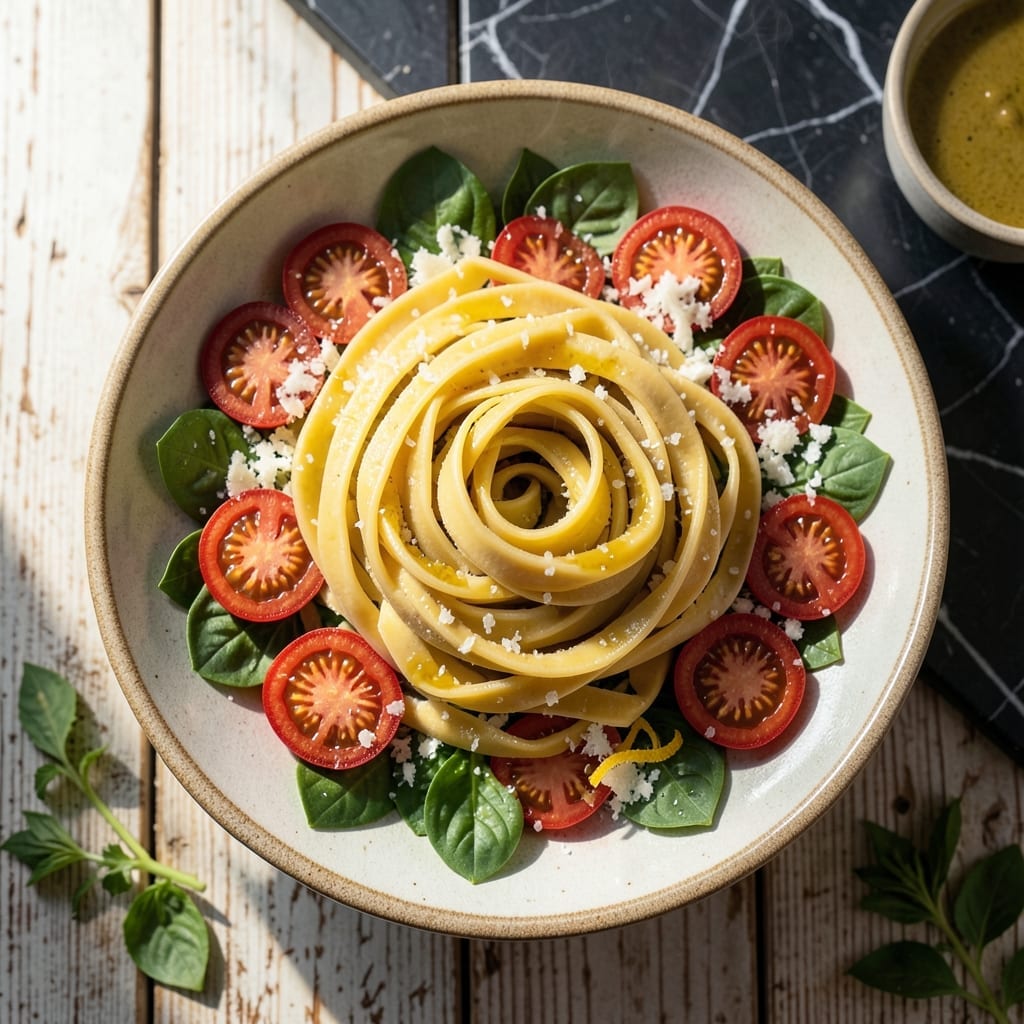
Making silky smooth gluten free pasta at home is easier than you think. After testing countless flour blends, I’ve perfected a method that works flawlessly with a pasta machine.
The key is using the right gluten free flour blend and letting the dough rest properly. This ensures the noodles hold their shape and develop that ideal tender bite.
With just a few simple ingredients and precise settings on your pasta machine, you’ll achieve restaurant-quality results every time. No more dry or crumbly textures—just homemade pasta that rivals traditional wheat-based versions.
Perfect for fresh dishes or drying for later use. Let’s get started.
Ingredients for Homemade Gluten Free Pasta Recipe for Pasta Machine
Pantry raid for gluten free flour and a few basics. Nothing exotic here.
| Ingredient | Amount | Notes |
|---|---|---|
| Gluten Free All-Purpose Flour Blend 🌾 | 2 cups | Plus extra for dusting surface |
| Xanthan Gum 🧪 | ½ tsp | Omit if blend already contains it |
| Large Eggs 🥚 | 4 whole | Room temperature preferred |
| Extra-Virgin Olive Oil 🫒 | 1 tbsp | Light olive oil works too |
| Fine Sea Salt 🧂 | ½ tsp | Diamond Crystal kosher works |
| Water 💧 | 2 tbsp | As needed for dough consistency |
| Rice Flour 🌾 | ½ cup | For dusting pasta sheets |
| Cornstarch 🌽 | ¼ cup | Prevents sticking during rolling |
[recipe_ingredient_scaler]
The flour blend is everything here. King Arthur or Bob’s Red Mill 1-to-1 are my go-tos—they’ve got the right starch balance already built in. Check the label for xanthan gum (most blends include it, but if not, add the half teaspoon yourself). Room temp eggs bind better, so pull them out 30 minutes before starting. Whole Foods has both flours in bulk if you want to buy just what you need.
No gluten free blend? Mix 1 cup rice flour + 1/2 cup tapioca starch + 1/4 cup potato starch as a substitute. Out of xanthan gum? Psyllium husk powder at half the amount works in a pinch. The olive oil can be any neutral oil—avocado or vegetable oil are fine. If the dough feels too dry, add water 1 teaspoon at a time (don’t overdo it).
Fresh pasta cooks in 2-3 minutes, so boil your water first. Dust your counter and machine with rice flour to prevent sticking. Leftovers dry beautifully—hang noodles on a rack for 24 hours or freeze in nests for 1 month.
Why You’ll Love This Recipe
- Pasta Machine Ready: I just dump the gluten free flour blend, xanthan gum, eggs, and olive oil in the bowl—no fancy prep, and the machine does the hard work.
- Rich Egg Flavor: The large eggs give it that deep, buttery taste that store-bought gluten free pasta just can’t match.
- Meal Prep Hero: I make a big batch on Sunday, and it keeps beautifully for quick weeknight dinners.
- Budget Friendly: Honestly, a bag of gluten free flour and a few eggs stretch way further than buying pre-made pasta.
Step-by-Step Instructions for Homemade Gluten Free Pasta for Pasta Machine
This method delivers silky noodles that rival traditional pasta every time.
Step 1: Mix the Dry Ingredients for Structure
In a large mixing bowl, whisk together the 2 cups Gluten Free All-Purpose Flour Blend and 0.5 tsp Xanthan Gum until fully combined. The xanthan gum is crucial here—it replaces the gluten’s elasticity, giving your pasta that perfect chew.
I like to sift the blend first to break up any lumps, which ensures a smoother dough. If your gluten free blend already contains xanthan gum, skip it to avoid a gummy texture. This base will hold everything together as we build the dough.
Step 2: Combine Wet Ingredients for Richness
Create a well in the center of your dry ingredients. Add the 4 whole Large Eggs, 1 tbsp Extra-Virgin Olive Oil, and 0.5 tsp Fine Sea Salt to the well. Using a fork, gently beat the wet ingredients together before slowly incorporating the flour mixture.
Real talk: the eggs should be at room temperature. Cold eggs can cause the olive oil to solidify, creating an uneven texture. Mix until a shaggy dough forms—it’ll look dry at first, but keep going. Once it comes together, knead it right in the bowl for 2-3 minutes until smooth.
Step 3: Adjust Dough Consistency with Water
If the dough feels too dry or crumbly, add the 2 tbsp Water, 1 tablespoon at a time, mixing well after each addition. You want a dough that’s firm but pliable—not sticky. Gluten free doughs are thirstier than traditional ones, so don’t be afraid to use the full amount if needed.
Once the dough holds together when pressed, wrap it in plastic wrap and let it rest at room temperature for 30 minutes. This resting period hydrates the flours and relaxes the dough, making it much easier to roll out without cracking.
Step 4: Roll and Dust for Perfect Sheets
Divide the rested dough into 4 equal portions. Working with one portion at a time (keep the others covered), flatten it into a rough rectangle. Lightly dust your work surface and the dough with the 0.5 cup Rice Flour—this prevents sticking without altering the texture.
Set your pasta machine to the widest setting. Feed the dough through, then fold it in thirds like a letter and repeat 2-3 times. This builds structure. Reduce the thickness setting one notch at a time, dusting with rice flour as needed, until you reach your desired thickness.
For the final pass, switch to dusting with the 0.25 cup Cornstarch—it’s finer and prevents the sheets from sticking together as they dry slightly. The pasta sheets should be smooth, elastic, and just slightly tacky to the touch.
Step 5: Cut and Cook Immediately
Cut the pasta sheets into your desired shape—fettuccine, tagliatelle, or even squares for ravioli. Work quickly here, as gluten free pasta can dry out faster than traditional. I like to cut mine by hand for a rustic look, but a pasta cutter works just as well.
Cook the fresh pasta in boiling salted water for 2-3 minutes—it’s done when it floats to the surface. Taste test for doneness; it should be tender but still have a slight bite. Drain and serve immediately with your favorite sauce. The texture should be silky, with no grittiness or aftertaste from the gluten free flours.
Pro Tips For Making Homemade Gluten Free Pasta Recipe For Pasta Machine
- Rest the Dough: After kneading, let the dough rest for 15-20 minutes under a damp towel—I learned this the hard way when my first attempts kept crumbling in the machine.
- Chill Your Eggs: Use cold eggs straight from the fridge to prevent the dough from sticking to the pasta machine rollers, especially with gluten-free blends that lack natural elasticity.
- Skip the Overworking: Gluten-free pasta dough toughens quickly, so mix just until combined—after ruining a batch by over-kneading, I now stop as soon as it holds together.
- Dust with Cornstarch: Instead of flour, lightly dust your work surface and machine with cornstarch to prevent sticking without altering the texture of your gluten-free pasta.
Flavor Customization for homemade gluten free pasta recipe for pasta machine
Herb Infusions
Add 1 tbsp fresh basil or 2 tsp dried oregano to your flour blend before mixing. This creates a beautiful flecked pasta that pairs perfectly with tomato sauces. I love how the herbs release their aroma during cooking, elevating simple dishes to something special. 🌿
Spice It Up
For heat lovers, mix in ½ tsp red pepper flakes or ¼ tsp cayenne with the dry ingredients. The spice distributes evenly throughout the dough, giving each bite a consistent kick. Confession time: I always add a pinch extra to my batch.
Citrus Zest Boost
Incorporate 1 tbsp lemon or orange zest for bright, fresh flavor. This works especially well with cream-based sauces or seafood dishes. The citrus oils in the zest infuse the pasta with subtle complexity that surprises everyone.
Spinach Green Pasta
Blend ½ cup cooked spinach (drained thoroughly) with your wet ingredients. This adds vibrant color and a mild earthy flavor. Honestly, this was my first successful variation after mastering the basic recipe. The spinach also boosts the nutritional value. 💚
Beetroot Purple
Add 2 tbsp beetroot powder or ¼ cup pureed cooked beets for stunning purple pasta. The earthy sweetness pairs wonderfully with goat cheese or walnut sauces. Adjust water as needed—the beets can make the dough slightly stickier.
Garlic Lovers
Mix in 1 tsp garlic powder or 2 cloves roasted garlic (mashed) for an aromatic depth. This creates pasta that’s perfect for garlic butter sauces or pesto. I find the roasted version adds a sweeter, more mellow flavor profile.
Nutrition Facts
Frequently Asked Questions
What if my dough keeps cracking?
Let it rest for 10 minutes longer, then try again. If still cracking, add 1 teaspoon water at a time until pliable. Gluten free doughs need more hydration than wheat doughs.
Can I use almond flour instead?
Not recommended—it lacks the starch needed for elasticity. Stick with a quality gluten free blend. For nutty flavor, try adding ¼ cup almond flour to your regular blend.
How thin should I roll the pasta?
For most shapes, stop at setting #5 or #6 on a standard machine. Thinner settings risk tearing. Test with a small piece first to check texture.
Why does my pasta taste gritty?
This usually means the flour wasn’t fine enough. Sift your blend first or let the dough rest 15 minutes longer to fully hydrate.

Trained in classic French technique but raised on slow-cooked ribs and spicy rubs, she blends culinary skill with smoke and soul.
- Sanjeev Kapoor Egg Biryani Recipe: Fragrant Spiced Rice With Boiled Eggs - October 3, 2026
- Recipe for French Pork Spread Gorton: Savory Gallic Flavors in a Spreadable Delight - October 3, 2026
- Recipe for Pan Fried: Golden Crust with Savory Depth - October 3, 2026