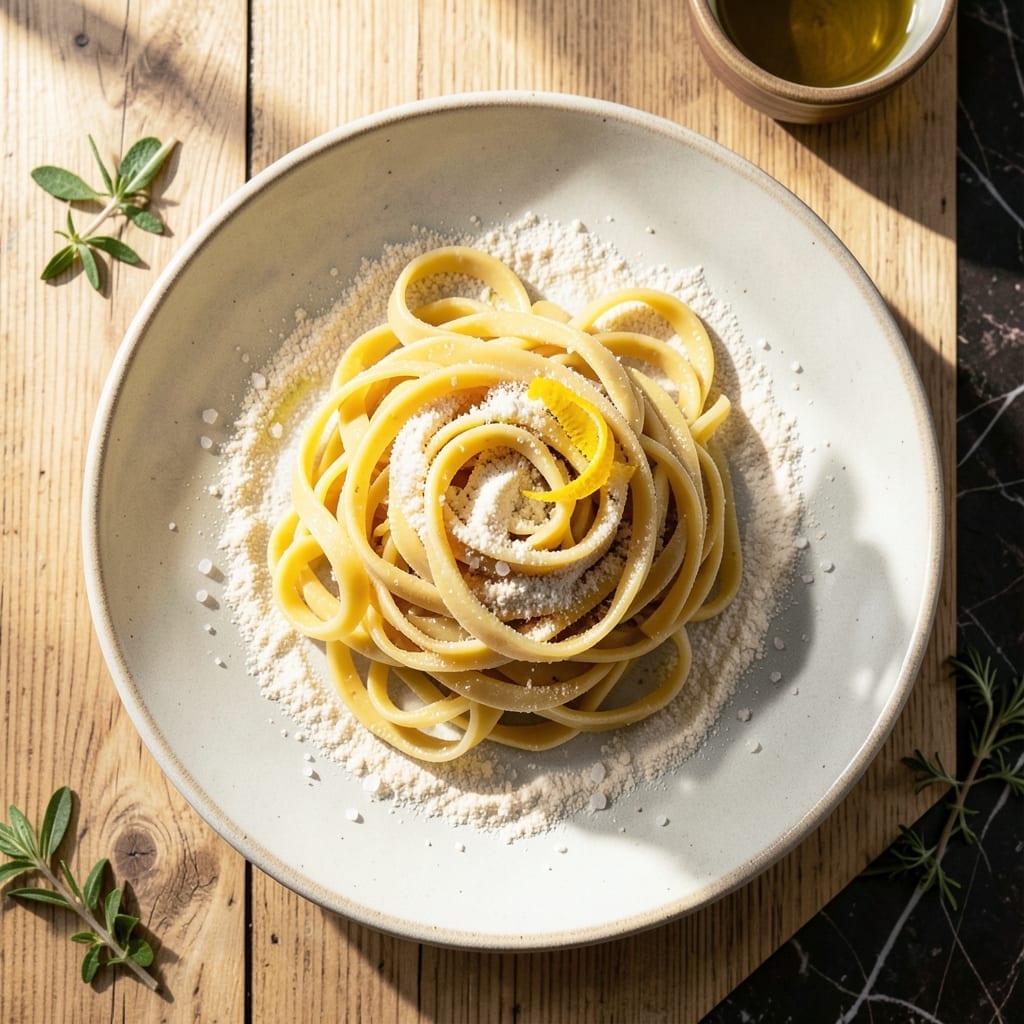
There’s something deeply satisfying about making pasta from scratch, and this two-egg version delivers perfectly silky ribbons with just the right bite. I’ve refined this method over years to ensure foolproof results every time.
With just flour, eggs, and a pinch of salt, you’ll create dough that’s smooth and elastic, ready to be rolled into delicate sheets. The key is proper kneading and resting, which develops the gluten for that signature chewy texture.
Once rolled and cut, these fresh noodles cook in 2-3 minutes, absorbing sauce like a dream. The flavor is pure and clean, letting your favorite toppings shine without competition.
Serve with a simple aglio e olio or rich bolognese. This is homemade pasta worth the effort.
Ingredients for Homemade Pasta Recipe 2 Eggs
Flour, eggs, salt, and a touch of love. That’s all you need for perfect pasta.
| Ingredient | Amount | Notes |
|---|---|---|
| All-Purpose Flour 🌾 | 2 cups | Plus extra for dusting |
| Large Eggs 🥚 | 2 whole | Room temperature preferred |
| Fine Sea Salt 🧂 | ½ tsp | Dissolved in egg mixture |
| Olive Oil 🫒 | 1 tsp | Optional for elasticity |
| Semolina Flour 🌾 | ½ cup | For dusting and texture |
[recipe_ingredient_scaler]
The flour is everything here. King Arthur all-purpose is my go-to—consistent protein content every time. Room temperature eggs blend better into the flour (cold ones can make the dough resist coming together). I always keep Bob’s Red Mill semolina on hand for dusting—gives that authentic Italian texture. Don’t skip the resting time; it relaxes the gluten so the dough rolls out smooth.
No all-purpose flour? 00 flour at one-to-one ratio works beautifully (find it at Eataly or specialty stores). Out of eggs? Sorry, no good swaps here—this is a two-egg recipe for a reason. The salt can be table salt at half the amount, but sea salt dissolves better. Skip the olive oil if you want ultra-traditional, but it adds a nice pliability to the dough.
Fresh pasta doesn’t keep long—use within 24 hours or freeze immediately. Dust cut noodles with extra semolina to prevent sticking, then store in airtight containers. Freezes beautifully for up to 1 month (cook from frozen, just add 30 seconds).
Why You’ll Love This Recipe
- No-Knead Magic: I just mix flour, eggs, and a pinch of salt—no fancy equipment, no wrestling with dough.
- Silky Rich Bite: The eggs give it this luxurious texture that store-bought can’t touch. Honestly, the olive oil makes all the difference.
- Meal Prep MVP: I make a big batch on Sunday and it keeps beautifully for quick weeknight dinners.
- Pantry Hero: Flour, eggs, and a drizzle of olive oil—ingredients I always have on hand, so it’s basically free.
Step-by-Step Instructions for Homemade Pasta
Here’s how to make silky, tender pasta with just a few ingredients and some elbow grease.
Step 1: Create the Egg Mixture
Crack the 2 whole Large Eggs into a small bowl. Add the 0.5 tsp Fine Sea Salt and 1 tsp Olive Oil, then whisk vigorously for 30-45 seconds until the salt dissolves completely and the mixture turns a uniform pale yellow.
I like doing this first so the salt has time to fully incorporate. Room temperature eggs blend better, but if yours are cold, the whisking action will warm them slightly. You’ll see the mixture thicken and become slightly frothy—that’s perfect.
Step 2: Form the Dough
On a clean work surface, create a well with the 2 cups All-Purpose Flour. Pour the egg mixture into the center. Using a fork, gradually incorporate the flour into the wet ingredients, starting from the inner rim of the well and working outward.
Once the dough becomes too stiff for the fork, switch to your hands. Knead for 8-10 minutes until smooth and elastic. The dough should feel slightly tacky but not sticky. If it sticks to your hands, add a dusting of flour, but don’t overdo it—you want just enough to prevent sticking.
Step 3: Rest the Dough
Shape the dough into a ball, wrap it tightly in plastic wrap, and let it rest at room temperature for 30 minutes. This resting period allows the gluten to relax, making the dough easier to roll out thinly.
While waiting, you’ll notice the dough becomes more pliable. This step is non-negotiable for achieving those silky ribbons. I often use this time to prepare my sauce or set the table.
Step 4: Roll and Cut the Pasta
Divide the dough into 4 equal portions. Lightly dust your work surface with 0.5 cup Semolina Flour to prevent sticking. Working with one portion at a time (keep the rest covered), roll the dough through a pasta machine starting at the widest setting.
Fold the sheet in thirds like a letter and repeat the rolling process 2-3 times at the widest setting. Then, gradually reduce the thickness setting and roll once through each, until you reach your desired thinness (I stop at setting #5 for fettuccine). The sheet should be nearly translucent when held up to light.
Cut the sheet into your preferred width—about ¼-inch for fettuccine. Dust the cut pasta with additional semolina flour to prevent sticking, then shape into nests. Cook immediately or dry for later use.
Pro Tips For Making Homemade Pasta Recipe 2 Eggs
- Knead Longer: I used to stop at 5 minutes, but 8-10 minutes of kneading by hand makes the dough silky and elastic—skip this and your pasta will be tough.
- Use Room Temp Eggs: Cold eggs straight from the fridge make the dough fight you; let them sit out for 30 minutes first to blend smoothly with the flour.
- Skip Over-Flouring: Resist the urge to dump extra flour on the counter—too much makes the pasta dense, and you’ll be rolling forever to get it thin.
- Rest the Dough: After kneading, wrap it in plastic and let it sit for at least 30 minutes; I learned this the hard way when my first batch kept springing back while rolling.
Pro Cooking Tips for This Dish
Dough Hydration Tip
If your dough feels too dry, add 1-2 tsp water—this helps the flour fully hydrate. I’ve found that humidity affects flour absorption, so trust your hands over the recipe. The dough should feel like Play-Doh: smooth but not sticky.
Kneading Technique
Use the heel of your hand to push the dough away, then fold it back over itself. Rotate 90° after each push and repeat. This develops gluten evenly for that perfect chew. 💪
Pasta Machine Settings
Start at the widest setting and fold the dough through 2-3 times before narrowing. This builds structure gradually. My Marcato Atlas 150 has been my go-to for years—reliable and sturdy.
Rolling Without a Machine
If rolling by hand, use a long rolling pin and work from the center outward. Aim for sheets about 1/16-inch thick—thinner than a dime. Dust with semolina between rolls to prevent sticking.
Testing for Doneness
Fresh pasta cooks fast—taste a strand at 2 minutes. It should be tender but still have a slight bite. Reserve ½ cup pasta water to adjust sauce consistency later.
Preventing Sticking
Dust cut noodles generously with semolina or flour, then form into loose nests. This keeps them separate until cooking. I like to lay them on a baking sheet lined with parchment for easy transfer.
Nutrition Facts
Frequently Asked Questions
Can I make this without a pasta machine?
Use a rolling pin and aim for sheets about 1/16-inch thick. Dust with semolina between rolls to prevent sticking. It takes more elbow grease but delivers the same silky texture.
Why does my dough feel too dry?
Flour absorbs moisture differently based on humidity. Add 1-2 tsp water and knead until smooth. The dough should feel like Play-Doh—not sticky, but pliable.
How long should I cook fresh pasta?
Fresh noodles cook in just 2-3 minutes. Test a strand at 2 minutes—it should be tender with a slight bite. Save ½ cup pasta water for adjusting sauce consistency.
Can I use whole wheat flour?
Yes, but replace only 50% of the all-purpose flour. Whole wheat absorbs more liquid, so add 1 extra tsp water if needed. The texture will be heartier but still delicious.

Trained in classic French technique but raised on slow-cooked ribs and spicy rubs, she blends culinary skill with smoke and soul.
- Recipe for Boneless Pork Chops in Cast Iron Skillet: Sear and Baste to Juicy Perfection - October 3, 2026
- Recipe for Boneless Cross Rib Roast: Slow-Roasted Beef with Herb Crust - October 3, 2026
- Hamburgers in Sauce Recipe Crock Pot: Slow-Cooked Savory Delight - October 3, 2026