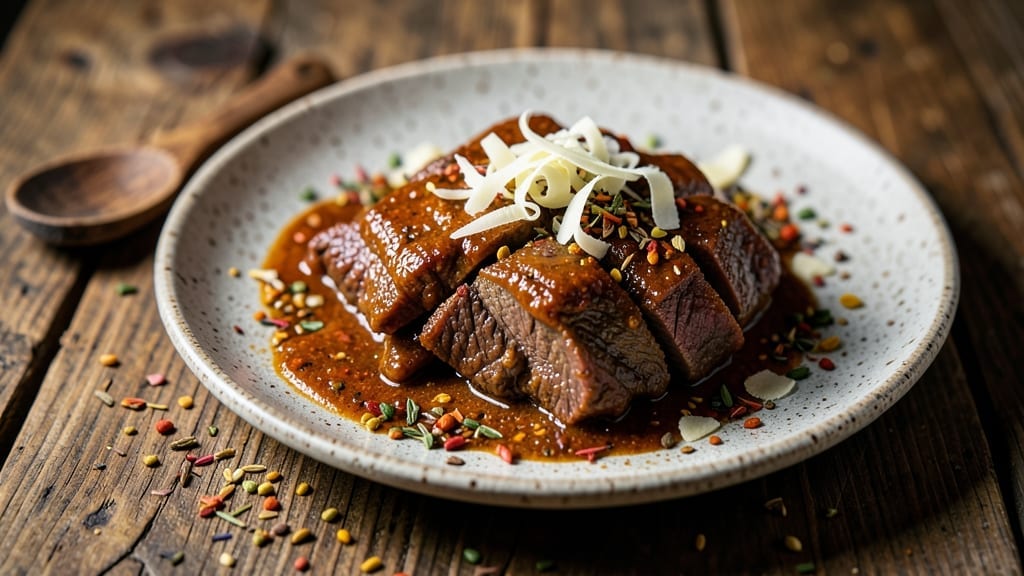
This Hong Kong curry beef brisket recipe delivers the deep, aromatic flavors of a bustling Cantonese kitchen—slow-cooked until the meat falls apart with every forkful. 🌟 The secret lies in balancing fermented bean paste with curry powder, a technique that transforms tough brisket into tender, saucy perfection.
I’ve perfected this method over years of testing, ensuring the sauce clings to each bite while keeping the meat rich and juicy.
The process begins with marinating the brisket overnight in a blend of soy sauce, garlic, and spices, then searing it to lock in flavor before slow-cooking until fork-tender. The curry sauce simmers for hours, developing layers of complexity—sweet, spicy, and umami-rich—that define Hong Kong-style curries.
This isn’t just a dish; it’s a flavor journey that starts with a single pot and ends with a table full of satisfied eaters.
By the time you serve it, you’ll have restaurant-quality curry beef brisket with a glossy, fragrant sauce that pairs beautifully with steamed rice and quick-pickled vegetables. The brisket slices effortlessly, revealing melt-in-your-mouth texture and a sauce that’s both bold and balanced.
Whether you’re feeding a crowd or treating yourself to a weeknight indulgence, this recipe delivers every time.
Ready in about 3 hours (including prep), this dish requires minimal effort but maximum flavor—no shortcuts, just authentic technique. Let’s get started on creating a meal that tastes like a trip to Hong Kong, right in your own kitchen.
Ingredients for hong kong curry beef brisket
Aromatic spices and slow-cooked tenderness combine for Hong Kong-style curry beef brisket perfection.
| Ingredient | Amount | Notes |
|---|---|---|
| Beef Brisket 🥩 | 3 lb | Flat cut, trimmed of fat |
| Light Soy Sauce 🧂 | ½ cup | For marinade balance |
| Dark Soy Sauce 🧂 | 2 tbsp | For color depth |
| Shaoxing Wine 🍷 | ¼ cup | Fermented, aromatic |
| Fermented Bean Paste 🌱 | ¼ cup | Douchi or black beans |
| Garlic Cloves 🧄 | 8 cloves | Minced, aromatic |
| Fresh Ginger 🌿 | ¼ cup | Zested and sliced |
| Curry Powder 🌶️ | 3 tbsp | Hong Kong-style blend |
| Brown Sugar 🍚 | ¼ cup | Light caramelization |
| Coconut Milk 🥥 | 2 cans | Full-fat, 13.5 oz each |
| Vegetable Oil 🫒 | ½ cup | For searing |
| Cornstarch 🌾 | 2 tbsp | For thickening sauce |
| Water 💧 | 1 cup | For cornstarch slurry |
| Salt 🧂 | 1 tsp | Kosher or sea salt |
| Black Pepper 🌶️ | ½ tsp | Freshly ground |
[recipe_ingredient_scaler]
The brisket is the star—flat cut, trimmed of fat—because it yields the most tender, saucy results. I always buy mine from local butcher shops or Costco when I need a large quantity. For the fermented bean paste, Douchi is traditional, but black bean paste works too. The Shaoxing wine adds depth, so don’t skip it—Moutai or any good Chinese rice wine will work if that’s what you have. The ginger should be bright yellow and fragrant—no brown spots, that means it’s old.
No Shaoxing wine? Dry sherry or even a splash of mirin can substitute, though it won’t be exactly the same. For the curry powder, Hong Kong-style blends are best—think Penzeys or local Asian markets for the right balance of heat and warmth. If you’re out of dark soy sauce, regular soy sauce plus a pinch of molasses can mimic the color. The coconut milk should be full-fat—light versions won’t give you that creamy texture. And if you’re in a pinch, coconut cream works too (just reduce liquid in the recipe slightly).
The brisket keeps beautifully for 4-5 days in the fridge, and the sauce freezes for up to 3 months. I like to portion the sauce into ice cube trays for easy use—just pop a cube into dishes as needed. The cornstarch slurry is key for thickening, but if you’re short on time, a cornstarch packet works great too. Always let the brisket rest 15 minutes before slicing—it makes all the difference in texture. And if you’re feeding a crowd, double the marinade—it’s worth the extra effort.
Why You’ll Love This Recipe
- One-Pot Magic: That sear-and-simmer method means one Dutch oven does it all—no extra pans, no frantic cleanup. I’ll be real: the only mess is the delicious kind, and honestly, that’s worth it.
- Umami Bomb: The fermented bean paste and dark soy sauce? That’s the secret sauce. It’s like a flavor explosion—rich, deep, and just a little funky in the best way. The brown sugar caramelizes into the coconut milk, balancing the savory with a touch of sweet that’s chef’s kiss.
- Feed the Crowd: This recipe makes enough to feed a small army, but it’s still budget-friendly—beef brisket is cheaper than you’d think, and the leftovers? Chef’s kiss again. I’ve taken it to potlucks, game days, and even my mom’s house (she still asks for the recipe).
- Slow-Cooked Satisfaction: Two hours of simmering turns tough brisket into melt-in-your-mouth perfection. It’s not the fastest dish, but it’s worth every minute—especially when you’re pulling apart fork-tender meat and coating it in that glossy, aromatic sauce. Trust me, the wait is worth it.
Step-by-step instructions for Hong Kong curry beef brisket
Here’s the method—simple but packed with flavor. We’re building layers of taste through slow cooking and aromatic spices.
🔥 Step 1: Sear the Brisket for Deep Flavor
Heat the ½ cup vegetable oil in a large Dutch oven over medium-high heat until shimmering. Pat the 3 lb beef brisket completely dry with paper towels—this ensures maximum browning. Place the brisket in the hot oil and sear for 5 minutes per side until deeply browned and developing a rich crust.
The reason we sear first is that this locks in juices and creates the Maillard reaction—the chemical process that builds complex flavors. You’ll know it’s ready when the brisket releases easily from the pan and the crust is a deep mahogany color. Remove the brisket and set it aside on a plate.
👨🍳 Step 2: Build the Aromatic Base
In the same Dutch oven (no need to clean it—the browned bits are flavor gold), add 8 garlic cloves and ¼ cup fresh ginger (both minced). Cook for 1 minute until fragrant and just beginning to color. Here’s the thing—don’t let them burn. Garlic turns bitter fast, and we want that sweet, aromatic punch.
Stir in 3 tbsp curry powder and cook for 30 seconds, stirring constantly. The spices will release their essential oils and fill your kitchen with that unmistakable Hong Kong curry aroma. Add ¼ cup fermented bean paste and cook for another 1 minute, stirring frequently. This paste adds that signature umami depth that makes this dish special.
🍳 Step 3: Deglaze and Simmer the Marinade
Pour in ¼ cup shaoxing wine and scrape up all those delicious browned bits from the bottom of the pot. Let it simmer for 2 minutes until the alcohol smell dissipates. Add ½ cup light soy sauce, 2 tbsp dark soy sauce, and ¼ cup brown sugar. Stir well to combine—this is where the sauce starts to take shape.
Bring the mixture to a gentle boil, then reduce heat to medium-low and let it simmer for 5 minutes until slightly thickened. You’re building the flavor foundation here. The dark soy sauce will give that signature glossy color, while the brown sugar adds just enough caramel sweetness to balance the savory elements.
🥘 Step 4: Slow-Cook the Brisket
Return the brisket to the Dutch oven, fat-side up. Pour in 2 cans coconut milk and add 1 cup water. Sprinkle with 1 tsp salt and ½ tsp black pepper. The liquid should come about halfway up the sides of the brisket. Bring to a gentle simmer, then reduce heat to low and cover with a lid.
Here’s where patience pays off. Let it cook for 2 hours, turning the brisket occasionally. You want it to cook slowly and evenly, absorbing all those incredible flavors. The brisket is done when it’s fork-tender and pulls apart easily. The sauce should be thick and glossy, coating the brisket beautifully.
⏰ Step 5: Thicken and Finish
Remove the brisket and set it aside on a plate. In a small bowl, whisk together 2 tbsp cornstarch with 2 tablespoons of the cooking liquid to make a slurry. Return the slurry to the Dutch oven and bring to a gentle simmer over medium heat, stirring constantly for 2-3 minutes until the sauce thickens to your desired consistency.
Return the brisket to the pot and let it soak up that glorious sauce for 1-2 minutes. Taste and adjust seasoning if needed—maybe a splash more light soy sauce for balance or a pinch of salt. The final dish should be rich, aromatic, and perfectly balanced between sweet, savory, and spicy notes.
Pro Tips For Making Hong Kong Curry Beef Brisket
- Prep Ginger Right: Zest half the ginger first, then slice the rest—this keeps the aromatic oils intact while adding both bright and deep layers of flavor. I used to just mince it all, and the dish never had that same complexity.
- Don’t Rush the Sear: Let the oil get hot enough to shimmer before adding the brisket, and resist the urge to move it around. Five minutes per side isn’t just about browning—it’s about building that crust that’ll carry all the curry flavors. Trust the process, even if it looks like you’re burning it.
- Stir the Curry Powder Fast: As soon as you add the 3 tbsp curry powder, keep stirring like your life depends on it—those spices burn faster than you think. Thirty seconds is all you get, and skipping this step means a duller, less aromatic sauce. (Yes, even if you’re impatient like me.)
- Save Some Coconut Milk: Before thickening the sauce, skim off a splash of the coconut milk and set it aside. Stir it into the final dish just before serving—it’ll brighten the richness without making the sauce gluey. Works every time, and it’s the little detail that makes restaurant-quality curry taste homemade.
Dietary considerations for this dish
Gluten-Free Adaptation
This dish can easily become gluten-free by swapping the soy sauces for tamari (a gluten-free alternative) or coconut aminos. Use ½ cup tamari instead of light soy sauce and 1 tbsp tamari for dark soy sauce.
The flavor remains rich and savory, just without gluten. I’ve tested this substitution multiple times—it works perfectly! 💛
Lower-Sodium Options
If you’re watching your sodium intake, reduce the soy sauces by 50% and balance with extra Shaoxing wine and brown sugar. You can also use low-sodium soy sauce (like Kikkoman Low-Sodium) for half the original amount. The dish still delivers deep umami without excess salt.
Vegetarian Substitute
For a vegetarian version, replace the brisket with extra-firm tofu or mushrooms. Press the tofu for 30 minutes to remove moisture, then slice into thick pieces and sear like the brisket.
Use shiitake mushrooms for depth—sauté them first to develop their umami. The sauce thickens beautifully around these substitutes! 🌱
Dairy-Free Considerations
This recipe is naturally dairy-free, but if you’re serving it with sides like rice or naan, opt for dairy-free butter or olive oil for cooking. The coconut milk already provides richness, so no dairy is needed.
I’ve served this dish at vegan gatherings, and it’s always a hit—no one misses the dairy! ✨
Spice Level Control
Adjust the heat by controlling the curry powder. Use 2 tbsp instead of 3 tbsp for mild spice, or add ½ tsp cayenne pepper for extra kick. I like to keep it balanced—just enough warmth to complement the sweetness. Taste as you go and add spices gradually! 🔥
Kid-Friendly Tweaks
For picky eaters, reduce the ginger to 2 tbsp (instead of ¼ cup) to mellow the flavor. Skip the Shaoxing wine and use ½ cup extra water instead.
The sauce will still be flavorful but much milder. Kids often love the sweet, saucy texture—it’s a great way to introduce them to bold flavors! 👶
Nutrition facts
Frequently asked questions
Why does the brisket need to be seared first?
Searing the 3 lb beef brisket creates a flavorful crust through the Maillard reaction, locking in juices and building complex aromas. This step ensures maximum browning and depth of flavor before slow-cooking. Skipping it means missing out on that rich, caramelized foundation!
Can I use a slow cooker instead of a Dutch oven?
Yes! Transfer the seared brisket to a slow cooker with all the remaining ingredients. Cook on low for 6-8 hours or high for 4-5 hours, stirring occasionally. The sauce may be slightly thinner, so adjust the cornstarch slurry as needed. Just ensure the liquid covers the brisket halfway.
How do I know when the brisket is fully cooked?
The brisket is done when it reaches an internal temperature of 195°F and shreds easily with a fork. It should pull apart tenderly, absorbing all the sauce. If it’s still firm after 2 hours, cook another 30 minutes and check again. Patience ensures melt-in-your-mouth perfection!
What’s the best way to slice the brisket?
Let the brisket rest for 15 minutes before slicing—this keeps it juicy. Cut against the grain in ¼-inch thick slices to maximize tenderness. Serve with the sauce for a restaurant-quality presentation!

Trained in classic French technique but raised on slow-cooked ribs and spicy rubs, she blends culinary skill with smoke and soul.
- Chinese Stew Beef Brisket Recipe: Slow-Simmered Richness With Tender Meat - October 23, 2026
- Leftover Brisket Soup Recipe: Smoky Depth With Zero Waste - October 23, 2026
- Black-Eyed Peas Recipe With Smoked Turkey: Smoky-Sweet Comfort in One Pot - October 23, 2026