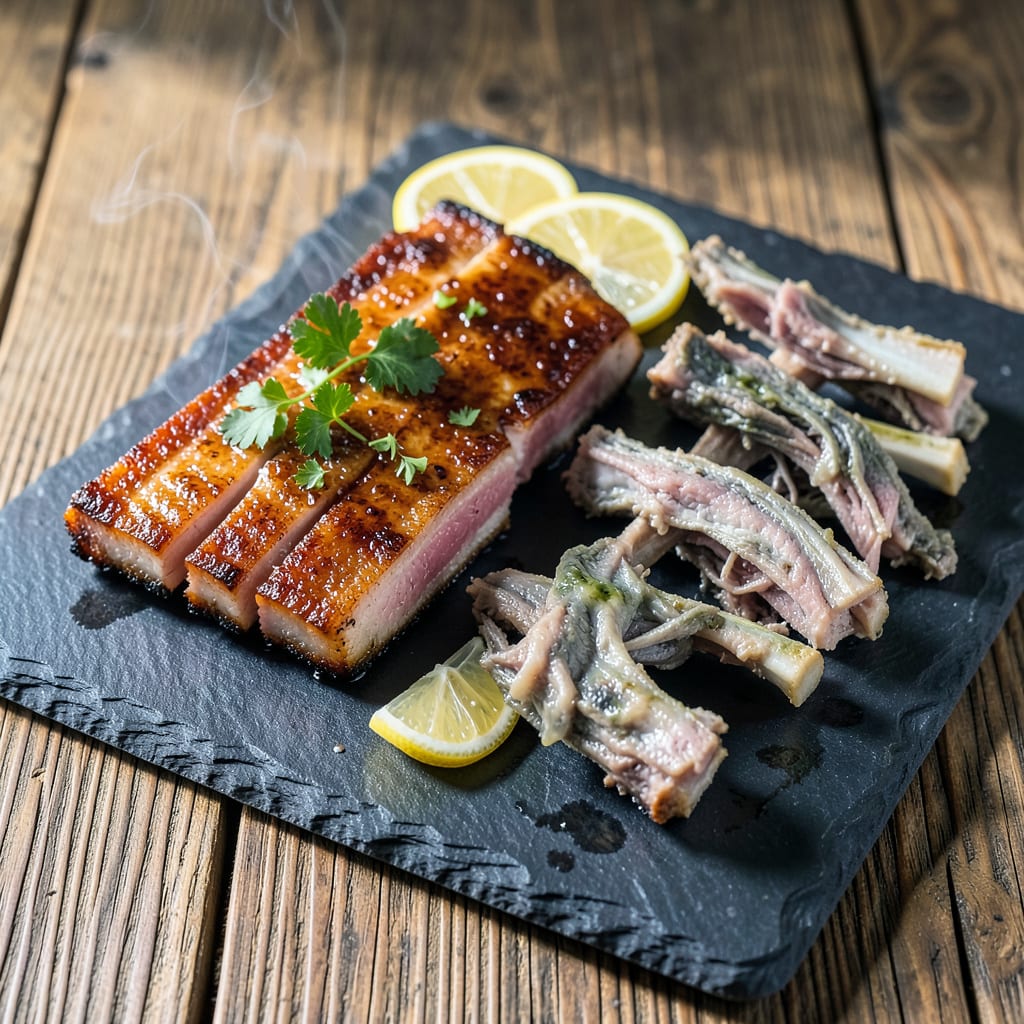
Bad pork ribs develop a sour or ammonia-like smell, slimy or sticky texture, and grayish or greenish discoloration. If the meat feels tacky or has an off odor even after rinsing, it’s spoiled and unsafe to eat.
As a pitmaster who’s handled thousands of racks, I’ve learned that spoilage starts with bacterial growth—especially when ribs sit above 40°F for too long. The slimy film you might feel isn’t just moisture; it’s actually colonies of bacteria breaking down proteins on the meat’s surface. 🔥 Even more telling is the color shift: fresh ribs should have a rosy pink hue, but oxidation turns them dull gray as myoglobin (the muscle protein) reacts with air. Trust your nose first—if it smells sharp or chemical-like, that’s ammonia compounds forming as fats and proteins decompose.
💡 In This Article
- Key Signs of Spoiled Pork Ribs and Why They Happen
- Safe Handling and Storage Tips for Pork Ribs
Key Signs of Spoiled Pork Ribs and Why They Happen
When pork ribs start to spoil, the first red flag is usually texture. That slimy film you might feel isn’t just surface moisture—it’s actually bacterial colonies multiplying rapidly. At temperatures above 40°F, bacteria like Pseudomonas and Lactobacillus thrive, breaking down proteins into sticky byproducts.
I’ve seen this happen in as little as 24 hours when ribs aren’t properly chilled. 🔥
The color changes tell another critical story. Fresh ribs should have a vibrant pinkish-red hue from oxymyoglobin. But when exposed to air, this pigment oxidizes into metmyoglobin, turning the meat grayish-brown. If you spot greenish tints, that’s sulfmyoglobin forming—a clear sign of advanced spoilage.
This color shift typically starts at the edges and spreads inward over 3-5 days in refrigeration.
Your nose is your most reliable tool. The sour smell comes from lactic acid bacteria fermenting sugars in the meat, while ammonia odors signal protein breakdown. I once had a student argue that rinsing removes bad smells—but that’s dangerous thinking.
Volatile compounds like putrescine and cadaverine penetrate deep into the meat fibers, so if you detect them, the ribs are unsafe no matter how much you wash them. ✨
Time and temperature are the invisible factors accelerating spoilage. At room temperature (70°F), bacteria double every 20 minutes. Even in the fridge, enzymes continue breaking down fats and proteins, though much slower. That’s why USDA recommends using fresh ribs within 3-5 days of purchase—or freezing them immediately at 0°F to halt bacterial growth.
Here’s what most home cooks miss: the “danger zone” between 40°F and 140°F is where spoilage bacteria thrive. I’ve measured surface temps on ribs left out for 2 hours that hit 60°F—perfect conditions for Salmonella or E. coli to multiply. The sliminess you feel? That’s biofilm formation, a protective layer bacteria create to resist cleaning.
💫
Pro tip: Press your finger gently against the meat. Fresh ribs should spring back immediately. If the indentation lingers or the surface feels tacky, proteins have started breaking down. This “finger test” works because spoilage destroys the muscle fibers’ elasticity. Combine this with the smell and color checks, and you’ll never second-guess rib freshness again.

Trained in classic French technique but raised on slow-cooked ribs and spicy rubs, she blends culinary skill with smoke and soul.
- Recipe for Boneless Pork Chops in Cast Iron Skillet: Sear and Baste to Juicy Perfection - October 3, 2026
- Recipe for Boneless Cross Rib Roast: Slow-Roasted Beef with Herb Crust - October 3, 2026
- Hamburgers in Sauce Recipe Crock Pot: Slow-Cooked Savory Delight - October 3, 2026