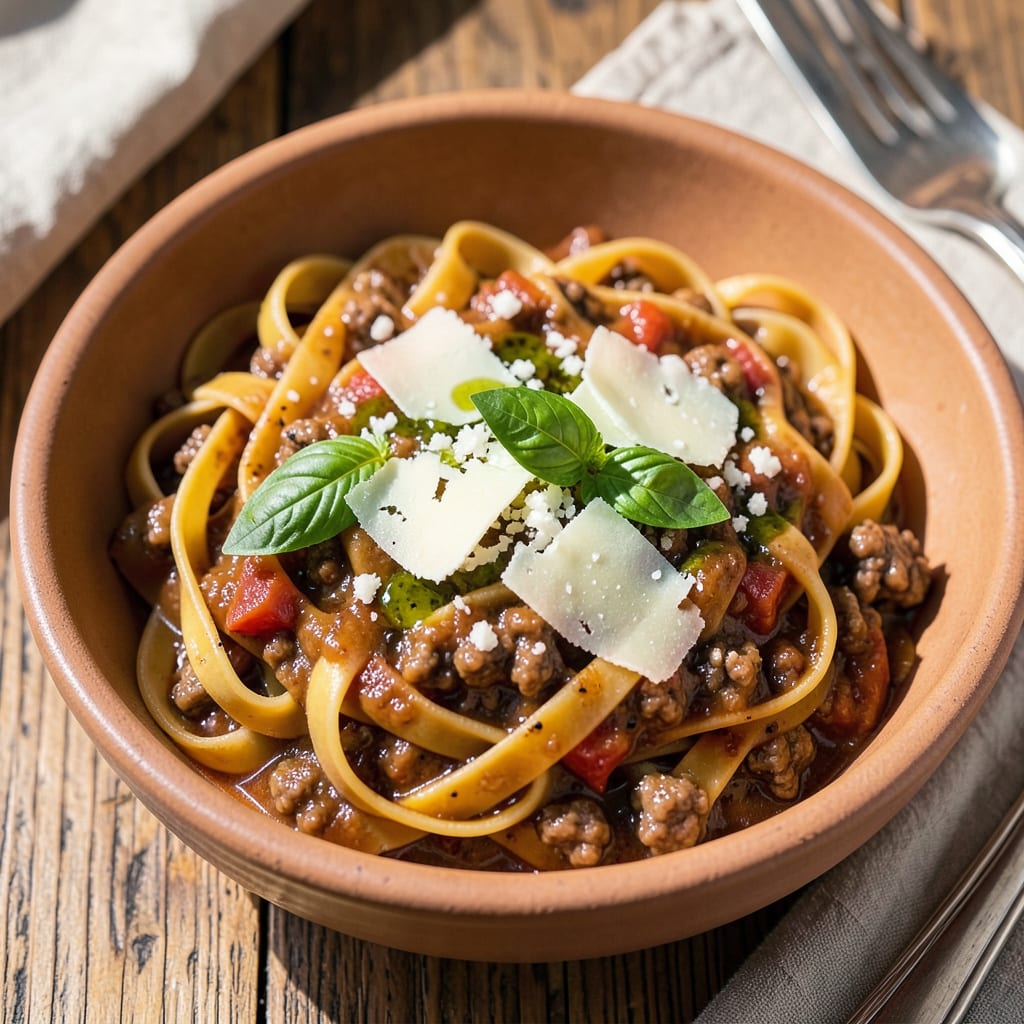
Properly stored bolognese lasts 3-4 days in the refrigerator and up to 3 months in the freezer. Always cool it quickly before refrigerating and use airtight containers to maintain freshness and prevent bacterial growth.
This isn’t just about time—it’s about protecting the rich flavors you worked hard to develop. 🔥 The meat and dairy in bolognese create a perfect environment for bacteria if not handled properly. I’ve seen too many batches ruined by slow cooling or improper sealing. What most people miss is that temperature control during the cooling phase is just as critical as the storage method itself. That first hour after cooking determines whether you’ll have a delicious meal later or a science experiment gone wrong.
💡 In This Article
- Factors Affecting Bolognese Shelf Life and Spoilage Risks
- Best Practices for Storing and Reheating Bolognese Safely
Factors Affecting Bolognese Shelf Life and Spoilage Risks
Bolognese’s rich combination of ground meat, dairy (milk or cream), and tomatoes creates a perfect storm for bacterial growth if not handled properly. The meat provides protein that bacteria like E. coli and Salmonella thrive on, while the dairy adds lactose that can ferment.
Tomatoes, though acidic, don’t lower the pH enough to prevent spoilage—they actually add moisture that helps bacteria spread faster. This is why USDA guidelines classify bolognese as a “perishable cooked meat mixture” with strict storage requirements. 🔥
The real danger zone is between 40°F and 140°F, where bacteria double every 20 minutes. A pot of bolognese left at room temperature for over 2 hours can develop enough bacteria to cause food poisoning, even if reheated later. The moisture content (typically 70-80% in bolognese) creates an ideal environment for microbial growth.
I’ve seen cases where improperly cooled bolognese developed Bacillus cereus toxins that survive reheating—these can cause vomiting within 6 hours of consumption. ✨
Signs of spoilage go beyond just smell. While a sour or ammonia-like odor is the most obvious red flag, watch for texture changes too. Spoiled bolognese often develops a slimy film on the surface or separates into watery and clumpy layers.
Mold may appear as fuzzy spots (usually white, green, or black) on the surface or edges. The USDA recommends discarding any bolognese that shows these signs, as some toxins (like those from Staphylococcus aureus) can’t be destroyed by cooking. 💫
Oxygen exposure accelerates spoilage through two processes: oxidation and microbial growth. When bolognese is stored in containers with air gaps, the meat fats oxidize, creating off-flavors described as “cardboard-like” or “rancid.” Simultaneously, aerobic bacteria (those needing oxygen) multiply rapidly. This is why airtight containers extend shelf life—they limit both oxidation and bacterial access to oxygen.
Vacuum-sealed bolognese can last up to 5 days in the fridge versus 3 days in standard containers. ⚡
The protein and fat content also affect freezing stability. Bolognese with higher fat content (from ground beef or pork) can develop freezer burn faster due to fat crystallization. The USDA found that sauces with over 15% fat show quality degradation after 2 months in freezing, while leaner versions maintain texture for the full 3 months.
The tomato acidity actually helps preserve color during freezing, but can cause the sauce to separate when thawed if not emulsified properly. 🌟
Temperature fluctuations during storage create another risk. Each time bolognese warms above 40°F (like when you open the fridge door frequently), condensation forms inside the container. This moisture becomes a breeding ground for bacteria. Studies show that bolognese subjected to temperature abuse (fluctuations between 45-55°F) develops detectable spoilage 24-48 hours sooner than consistently refrigerated batches.
This is why commercial kitchens use blast chillers to drop temperatures rapidly. 💛
What most home cooks don’t realize is that the cooking process itself affects shelf life. Bolognese simmered for 3+ hours develops more concentrated flavors but also reduces moisture content, which can extend refrigerated life by 12-24 hours compared to quickly cooked versions.
The Maillard reactions that create those deep flavors also produce compounds that slightly inhibit bacterial growth. However, this doesn’t replace proper cooling—it just buys you a little extra time when stored correctly. 🔥

Trained in classic French technique but raised on slow-cooked ribs and spicy rubs, she blends culinary skill with smoke and soul.
- Recipe for Boneless Pork Chops in Cast Iron Skillet: Sear and Baste to Juicy Perfection - October 3, 2026
- Recipe for Boneless Cross Rib Roast: Slow-Roasted Beef with Herb Crust - October 3, 2026
- Hamburgers in Sauce Recipe Crock Pot: Slow-Cooked Savory Delight - October 3, 2026