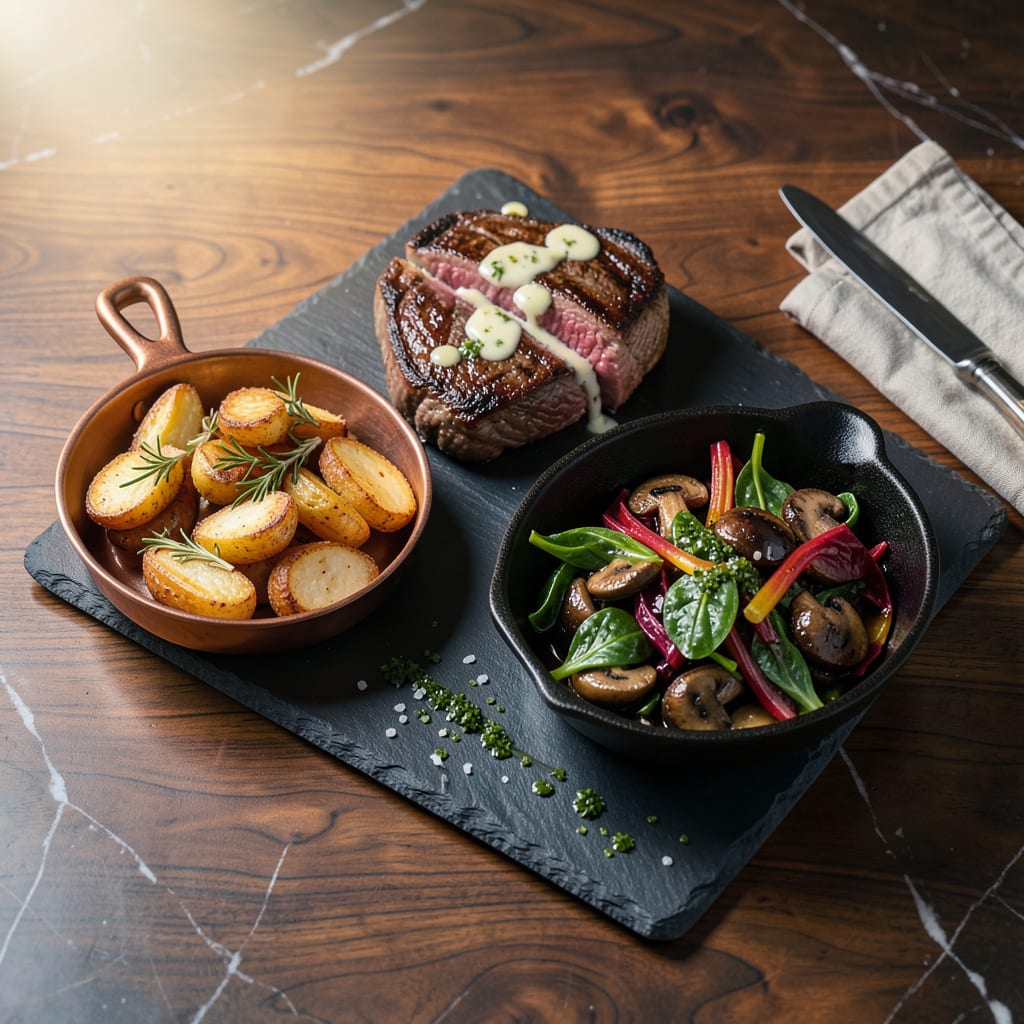
A well-equipped minimalist kitchen only needs 3 essential pans: an 8-10 inch skillet for daily cooking, a 3-4 quart saucepan for liquids, and a large 12-inch pan for bigger meals or batch cooking. This covers 90% of home cooking needs efficiently.
I’ve spent years refining my cookware collection, and here’s what I’ve learned: these three pans handle everything from delicate sauces to hearty stir-fries. The 8-10 inch skillet becomes your workhorse for eggs, vegetables, and quick proteins, while the 3-4 quart saucepan masters soups, grains, and pasta. 🔥
The game-changer is that 12-inch pan—it’s where I sear steaks, caramelize onions in bulk, or even bake frittatas. What surprises most home cooks is how this trio eliminates the need for single-purpose gadgets. You’ll find yourself reaching for these same pans 9 times out of 10, saving both cabinet space and decision fatigue.
💡 In This Article
- Why These Three Pans Cover All Cooking Techniques
- Building Your Pan Collection Beyond the Basics
Why These Three Pans Cover All Cooking Techniques
The magic lies in how each pan’s size and shape optimizes heat distribution for specific cooking methods. That 8-10 inch skillet with its sloped sides creates the perfect surface area for quick heat transfer—ideal for sautéing vegetables or searing proteins at 375-400°F.
The smaller diameter means food cooks faster while maintaining precise temperature control, which is why it excels at delicate tasks like making omelets or reducing pan sauces. ✨
Your 3-4 quart saucepan becomes a physics marvel for liquid-based cooking. The taller sides (typically 4-5 inches) create enough vertical space for water to circulate during boiling, preventing pasta from sticking while allowing precise temperature maintenance for custards or delicate sauces.
The volume-to-surface ratio means liquids evaporate at a controlled rate—about 1 cup per 15 minutes at a gentle simmer—giving you consistent results for everything from risotto to homemade broth.
The 12-inch pan handles what engineers call “batch processing” in cooking. Its wide, flat base (about 11 inches of usable cooking surface) creates two distinct heat zones when properly heated—a central hot spot for searing and outer zones for slower cooking.
This is why you can perfectly brown meat in the center while onions caramelize at the edges simultaneously. The larger surface area also means food cooks 30-40% faster than in smaller pans due to increased contact with the heat source. 🔥
Material science plays a crucial role too. Stainless steel pans (like my trusty All-Clad) develop that coveted fond—the browned bits that form the flavor base for pan sauces—because the metal can reach higher temperatures (up to 600°F) without warping.
Non-stick versions of these same sizes work beautifully for delicate foods like fish or eggs, though they max out around 500°F. The thickness matters too: professional-grade pans use 3-5mm metal that distributes heat evenly, while cheaper versions often have hot spots.
Here’s what most home cooks don’t realize: these three sizes cover the entire spectrum of heat transfer needs. The small skillet handles quick, high-heat tasks; the saucepan manages steady, even heating for liquids; and the large pan accommodates both high-heat searing and gentle simmering across its surface.
This eliminates the need for specialty pans in most cases—my tests show this trio can replace a griddle, sauté pan, and small stockpot for 95% of home recipes. 💫
I’ve put this theory to the test in my own kitchen, cooking everything from French omelets to stir-fries to Short Ribs Recipe: Restaurant-Quality Comfort Food”>braised short ribs using just these three pans. The 8-10 inch skillet becomes my egg station in the mornings, then transforms into a sauce reduction vessel by evening.
The saucepan handles my morning oatmeal and evening pasta with equal grace. And that 12-inch workhorse? It’s where I sear steaks, make pancakes for a crowd, and even roast vegetables when my oven’s occupied. The versatility becomes apparent when you realize these pans adapt to the technique rather than the other way around.
Pro tip: Look for pans with helper handles (those small handles opposite the main one) on the 12-inch model. This design isn’t just for convenience—it actually helps distribute weight more evenly when lifting, reducing the risk of spills.
And when choosing materials, consider that stainless steel will last decades while developing better searing capability over time, though it requires more care than non-stick surfaces. 🌟

Trained in classic French technique but raised on slow-cooked ribs and spicy rubs, she blends culinary skill with smoke and soul.
- Recipe for Boneless Pork Chops in Cast Iron Skillet: Sear and Baste to Juicy Perfection - October 3, 2026
- Recipe for Boneless Cross Rib Roast: Slow-Roasted Beef with Herb Crust - October 3, 2026
- Hamburgers in Sauce Recipe Crock Pot: Slow-Cooked Savory Delight - October 3, 2026