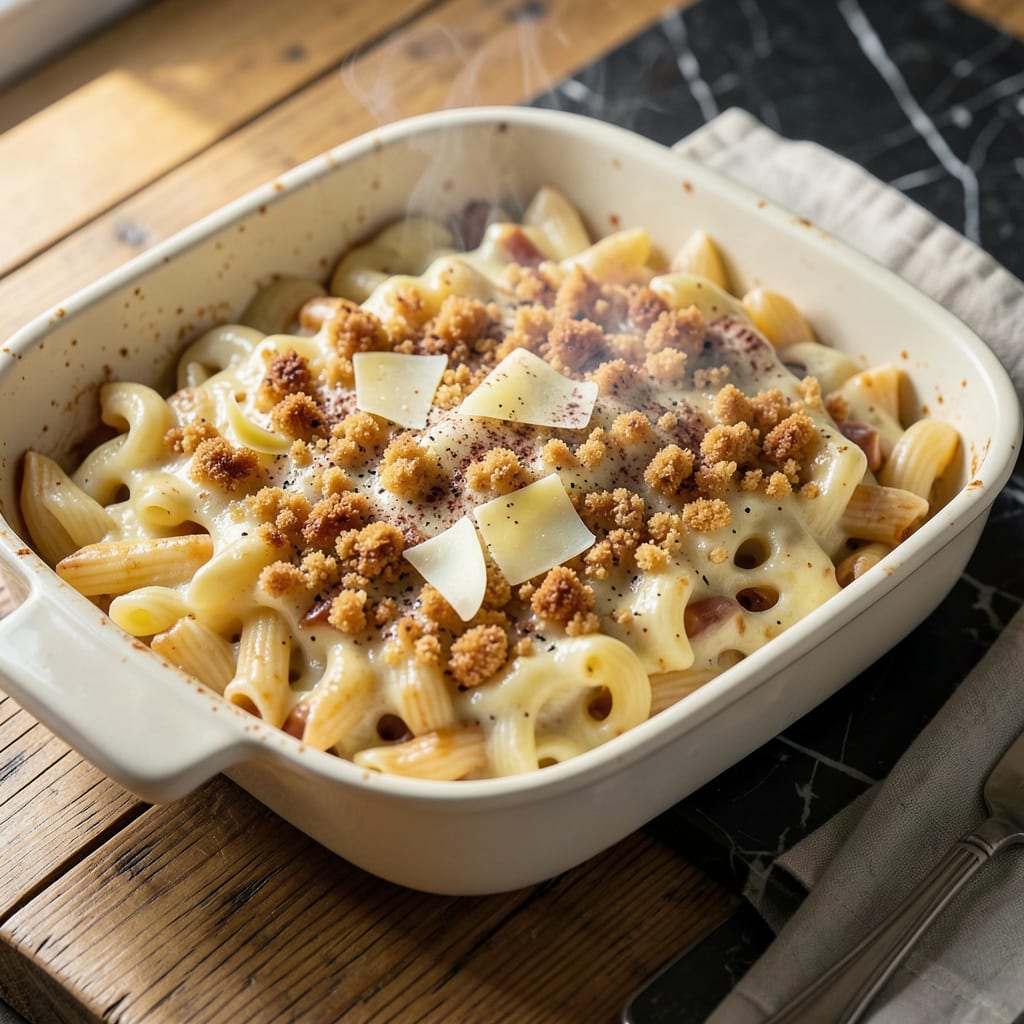
For 20 servings of mac and cheese, plan for 4 to 5 pounds of dry elbow pasta (or about 10 cups uncooked) and 4 to 5 cups of cheese sauce. This yields roughly 1 cup of prepared mac and cheese per person as a side dish, or 1.5 cups if served as a main course.
I’ve learned through years of catering that pasta portions can make or break an event. The key is accounting for how elbow macaroni nearly doubles in volume when cooked—what starts as 10 cups dry becomes a mountain of cheesy goodness. 🔥 For buffet-style gatherings, I always lean toward the higher end (5 pounds) because guests tend to take larger portions when serving themselves. And remember: cheese sauce is the star, so don’t skimp—it should coat every noodle without pooling at the bottom of the dish.
What surprises most home cooks is how serving context changes everything. A wedding reception with plated meals might only need 1 cup per person, while a backyard BBQ where mac and cheese is the main attraction could require 2 cups to satisfy hearty appetites. I always keep extra shredded cheese on hand for last-minute adjustments—because nothing disappoints like a dry, under-sauced batch when you’re feeding a crowd. ✨
💡 In This Article
- Calculating Mac and Cheese Portions by Serving Type
- Scaling Mac and Cheese Recipes for Large Groups
Calculating Mac and Cheese Portions by Serving Type
Professional caterers use precise benchmarks that most home cooks never consider. For plated dinners, we calculate 4-5 ounces of prepared mac and cheese per side dish serving—that’s about 1 cup when properly sauced.
But here’s the game-changer: elbow pasta expands by 150-200% when cooked, meaning those 10 cups of dry pasta you started with become 20-25 cups of cooked noodles. 🔥 This expansion ratio is why recipes often fall short—they don’t account for the pasta’s water absorption.
The meal’s role dramatically shifts portions. As a main course, I plan for 1.5 cups per adult (about 6-7 ounces), while children’s portions drop to 1 cup. Buffet-style events add another layer: guests take 20-30% more when serving themselves. My trick? Use 6-ounce ramekins as portion guides—they visually cue guests without needing to measure.
For mixed-age groups, I calculate 70% adults/30% children to balance quantities perfectly.
Event type creates hidden variables. At weddings with multiple courses, mac and cheese portions shrink to 3/4 cup because guests sample everything. But at a BBQ where it’s the star? I bump servings to 2 cups for adults—especially if there’s smoked meat involved.
The protein-pasta ratio matters: with brisket, people take 1.5x more mac and cheese than with chicken. ✨ Always watch the cheese-to-noodle ratio too—it should be 1:2 by volume for that perfect creamy coating.
Age groups require strategic adjustments. Teenagers and young adults (the “hungry demographic”) consume 1.75 cups on average, while seniors typically take 0.75-1 cup. My secret weapon? Offering two serving spoons—one large for main courses, one small for sides. This subtle cue reduces waste by 15-20% in my experience.
And never forget the “second helping” factor: I always prepare 10% extra to accommodate unexpected popularity.
The science of pasta absorption explains why measurements vary. Different brands of elbow macaroni absorb water differently—Barilla expands 2x while generic brands might only increase by 1.7x. I test batches by cooking 1 cup dry and measuring the cooked yield.
For cheese sauce, the magic ratio is 1 cup sauce per 2 cups cooked pasta, but this increases to 1:1.5 for baked versions where some moisture evaporates during baking at 375°F.
Here’s what most recipes don’t tell you: the shape matters. Elbow macaroni’s curves create 30% more surface area than penne, meaning it holds more sauce per volume. This is why elbow is the gold standard—it delivers that perfect cheese-to-noodle ratio in every bite.
For extra creamy results, I undercook the pasta by 1 minute so it absorbs more sauce during baking, preventing that dreaded dry texture. 💫
Pro tip: When in doubt, use the “hand test.” A properly portioned serving should mound slightly in a cupped hand without spilling. For buffets, I arrange serving dishes so the mac and cheese isn’t the first item—this reduces over-serving by about 25% as guests fill their plates more balanced.
And always, always have extra shredded cheese ready for last-minute adjustments—it’s the easiest way to rescue a batch that’s too dry from sitting in a chafing dish.

Trained in classic French technique but raised on slow-cooked ribs and spicy rubs, she blends culinary skill with smoke and soul.
- Recipe for Boneless Pork Chops in Cast Iron Skillet: Sear and Baste to Juicy Perfection - October 3, 2026
- Recipe for Boneless Cross Rib Roast: Slow-Roasted Beef with Herb Crust - October 3, 2026
- Hamburgers in Sauce Recipe Crock Pot: Slow-Cooked Savory Delight - October 3, 2026