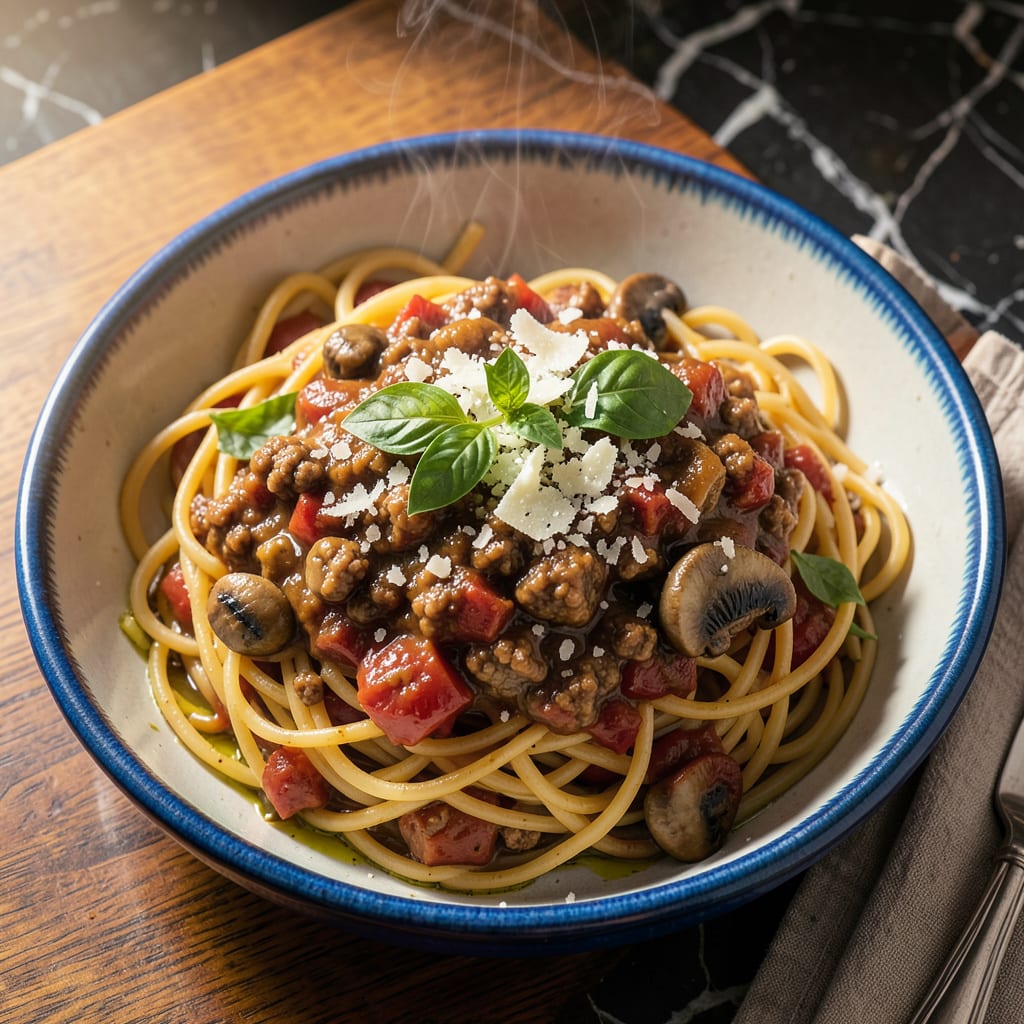
For 20 people, plan on 4 to 5 pounds of dry spaghetti (about 1 pound per 4-5 servings). This accounts for roughly 2 ounces of uncooked pasta per person, which expands to a satisfying portion when cooked.
I’ve cooked for crowds enough to know that pasta portions can make or break a meal. The magic happens when those 2 ounces of dry spaghetti transform into a generous 1-cup serving of cooked noodles—perfect for balancing hearty appetites without waste. 🔥 What most hosts overlook is how side dishes impact portions: a protein-rich meal lets you lean toward 4 pounds, while a vegetarian spread might need that extra 5th pound to satisfy.
Here’s my pro move: always measure by weight, not volume. A kitchen scale eliminates the guesswork that comes with using measuring cups, especially when dealing with different spaghetti shapes. I’ve seen too many hosts end up with either a mountain of leftovers or hungry guests because they eyeballed it!
💡 In This Article
- Calculating Spaghetti Portions for Large Groups
- Pro Tips for Cooking Spaghetti in Bulk
Calculating Spaghetti Portions for Large Groups
The science of pasta expansion is what makes portioning tricky. Dry spaghetti absorbs about 2.25 times its weight in water during cooking, transforming 2 ounces of dry pasta into roughly 1 cup cooked. This hydration process causes the starch granules to swell, creating that perfect al dente texture.
What surprises most cooks is that different wheat varieties expand slightly differently—durum wheat semolina (the gold standard) holds its shape better than softer wheat pastas.
For visual learners, here’s my foolproof trick: a standard 1-pound box of spaghetti contains about 8 cups of dry noodles. When cooked, that becomes approximately 16 cups—enough for 8 generous 2-cup servings.
I always demonstrate this by showing how a 2-ounce portion (about the diameter of a quarter) fits perfectly in a 1-cup measuring cup when cooked. This simple comparison eliminates the guesswork when scaling up for crowds.
Appetite variations demand flexible calculations. For light eaters (think luncheon portions), you can safely plan 1.5 ounces dry per person. But for hearty appetites—especially at Italian-themed dinners where pasta is the star—I bump it to 2.5 ounces dry. The game-changer? Side dishes.
A protein-heavy meal with chicken parmesan lets you stay at 4 pounds total, while a vegan spread with just garlic bread might require that full 5th pound.
Here’s what most hosts miss about bulk cooking: the pot size to pasta ratio matters. You need 1 gallon of water per pound of pasta to prevent sticking and ensure even cooking. I’ve seen too many cooks crowd 5 pounds into a 6-quart pot—resulting in gummy, unevenly cooked noodles. The solution?
Use a 12-quart stockpot or divide the batch. And always salt the water aggressively—1 tablespoon per gallon—to properly season the pasta as it absorbs liquid.
Temperature control becomes critical at scale. Large quantities of pasta release more starch into the water, which can cause the temperature to drop dramatically when added. My trick? Bring water to a rolling boil, add pasta gradually while stirring, then maintain at least a gentle boil (200°F+).
For perfect doneness testing, fish out a strand after 8 minutes—it should have a tiny white core that disappears during the 2-minute rest before serving.
Pro tip for keeping pasta warm: never rinse it! The starch on the surface helps sauce cling better. Instead, toss with 1-2 tablespoons of olive oil per pound, then hold in a 200°F oven in a covered tray. This method keeps it perfect for up to 30 minutes without overcooking.
For longer events, consider cooking in 2-pound batches and combining just before serving to maintain ideal texture.
The final secret? Always have an extra 1-pound box on standby. I’ve learned from experience that unexpected guests or second helpings happen more often than not. That extra box costs less than $2 but saves the day when your carefully calculated portions meet reality.
Trust me—your guests will remember the perfectly portioned meal, not the one that ran out too soon. ✨

Trained in classic French technique but raised on slow-cooked ribs and spicy rubs, she blends culinary skill with smoke and soul.
- Recipe for Boneless Pork Chops in Cast Iron Skillet: Sear and Baste to Juicy Perfection - October 3, 2026
- Recipe for Boneless Cross Rib Roast: Slow-Roasted Beef with Herb Crust - October 3, 2026
- Hamburgers in Sauce Recipe Crock Pot: Slow-Cooked Savory Delight - October 3, 2026