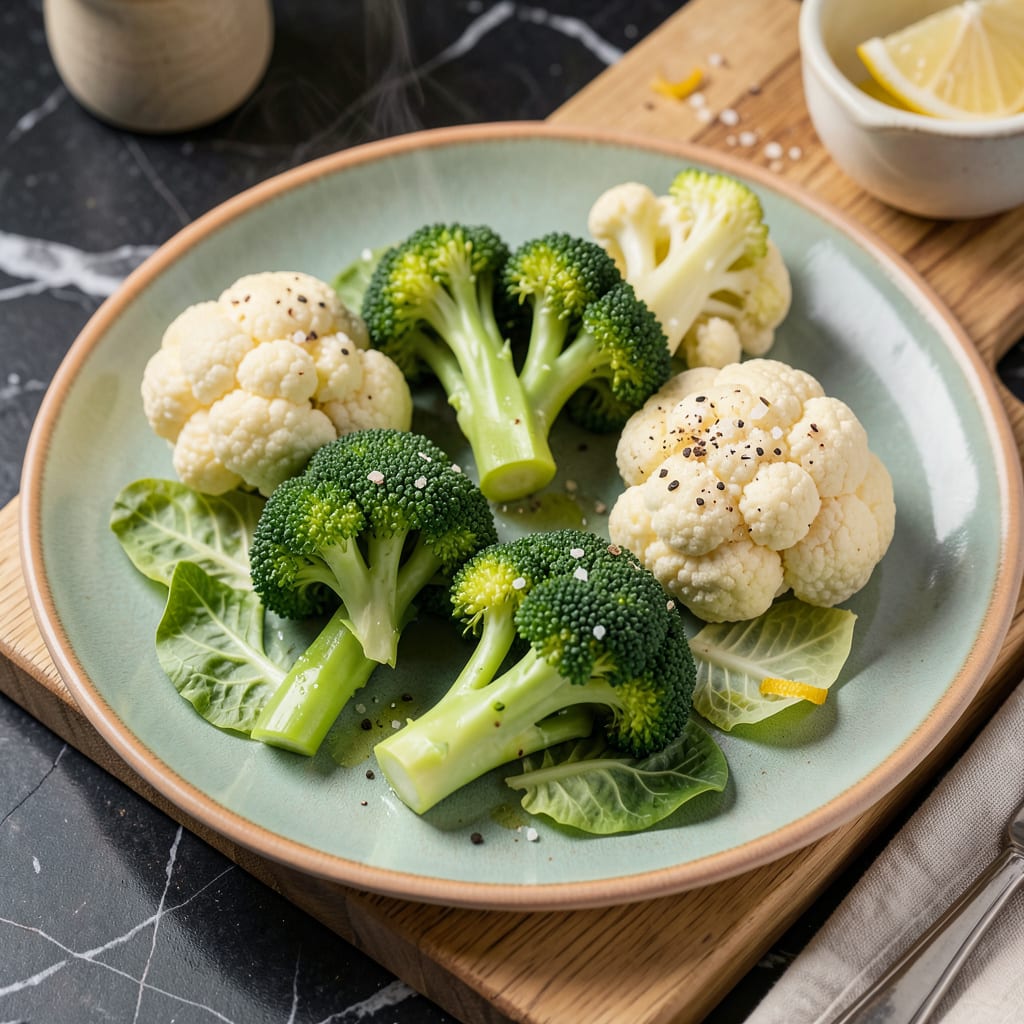
Let me show you the simplest way to get perfectly tender broccoli and cauliflower every time—no mushy florets, no bitter aftertaste. I’ve boiled more vegetables than I can count over the years, and the secret comes down to three things: timing, salt, and ice water. Yes, ice water. That last step makes all the difference between sad, soggy veggies and crisp-tender ones that actually taste good.
Here’s the thing—most people overcook these cruciferous veggies by minutes. We’re talking 10 minutes total from start to finish, including prep. The water should be boiling hard before anything goes in, and you’ll want about 1 tablespoon of salt per gallon (trust me, it seasons properly without making things taste salty). I learned this trick working in French kitchens where they treated vegetable prep like an art form.
What you’ll end up with is bright green broccoli and snowy white cauliflower that’s tender enough to bite through easily but still has that satisfying crunch. The ice bath stops the cooking instantly, locking in color and texture. From there, you can serve them plain with butter, toss into stir-fries, or blend into soups—they’ll hold their shape and flavor.
Bonus: This method works for meal prep too. Boil a big batch on Sunday, store in the fridge, and you’ve got veggies ready to reheat or add to dishes all week. No more last-minute scrambling when dinner’s almost ready but you forgot the side.
📚 In This Guide
- What You’ll Need
- Instructions
- Tips and Common Mistakes
What Youll Need
- ● Fresh broccoli: 1 medium head (about 12 oz or 340g), cut into even florets
- ● Fresh cauliflower: 1 small head (about 12 oz or 340g), cut into even florets
- ● Water: 4–6 cups (enough to submerge veggies in your pot)
- ○ Salt: 1 tsp (optional, for seasoning the water)
- ● Large pot: 3–4 quart capacity with a lid (stainless steel or enamel works best)
- ● Colander or strainer: For draining (mesh or perforated)
- ○ Slotted spoon: (optional, for removing veggies without draining all water)
- ● Timer: (your phone or a kitchen timer works perfectly!)
- ○ Ice water bath: (optional, for shock-cooling to preserve color and crunch)
- ○ Butter or olive oil: (optional, for tossing after boiling—1–2 tbsp)
- ○ Lemon juice or garlic: (optional, for extra flavor—1 tsp or 1 clove, minced)
Instructions
Here’s the simple method I use to get perfectly tender broccoli and cauliflower every single time.
Prepare the Vegetables
Start by rinsing your broccoli and cauliflower under cool running water to remove any dirt or debris. I like to cut the broccoli into uniform florets about 1½ to 2 inches in size, and break the cauliflower into similar-sized pieces. This ensures everything cooks evenly.
Trim any thick stems from the broccoli and cauliflower, but don’t discard them—you can peel the tough outer layer and chop the tender inner stems into small pieces to cook alongside the florets. I always use a sharp chef’s knife for this prep work to make clean cuts without crushing the delicate florets.
Boil the Water
Fill a large pot with enough water to completely submerge the vegetables—about 4 quarts should do it. Bring the water to a rolling boil over high heat. I recommend using a pot with a tight-fitting lid to speed up the boiling process.
Once the water reaches a vigorous boil, add 1 tablespoon of salt to the water. This isn’t just for seasoning—it actually helps preserve the vegetables’ vibrant color and enhances their natural flavor. The water should taste pleasantly salty, like seawater, before you add the vegetables.
Cook the Vegetables to Perfect Tenderness
Carefully add the prepared broccoli and cauliflower to the boiling water. The water temperature will drop initially, so allow it to return to a gentle boil. Cook uncovered for 5-7 minutes, depending on how tender you prefer your vegetables.
You’ll know they’re done when you can easily pierce the stems with a fork, but the florets still maintain their shape. I check for doneness at the 5-minute mark—the broccoli should be bright green and the cauliflower should be crisp-tender. Be careful not to overcook, as the vegetables will continue to soften slightly after you remove them from the heat.
Drain and Shock for Vibrant Color
As soon as the vegetables reach your desired tenderness, immediately drain them in a colander. To stop the cooking process and preserve that perfect texture, I recommend shocking them with cold water. You can either run cold water over them in the colander or prepare an ice water bath in a large bowl.
This shock treatment halts the cooking immediately, which helps maintain the vegetables’ crisp-tender texture and bright color. Let them drain well after shocking—you can gently shake the colander or pat them dry with a clean kitchen towel if you’re serving them immediately.
Season and Serve
Transfer the drained vegetables to a serving bowl while they’re still warm. I like to toss them with a drizzle of extra virgin olive oil, a squeeze of fresh lemon juice, and a sprinkle of freshly ground black pepper. This simple seasoning enhances their natural flavors without overpowering them.
Serve immediately while the vegetables are still warm and at their peak texture. The broccoli should be bright green with just a slight bite, and the cauliflower should be tender but not mushy. These perfectly boiled vegetables make a wonderful side dish or a healthy base for salads and grain bowls.
Tips and Common Mistakes
Here’s what I’ve learned from years of boiling vegetables—these small details make all the difference between mushy and perfect.
Uniform Cutting: In Step 1, cutting your broccoli and cauliflower into consistent 1½ to 2 inch pieces isn’t just about looks—it ensures everything cooks at the same rate. I find using a sharp chef’s knife (rather than breaking florets by hand) gives cleaner edges that hold up better during cooking. Those thick stems? Peel the tough outer layer and chop the tender inner parts—they add great texture when cooked alongside the florets.
Salt the Water Properly: That 1 tablespoon of salt in Step 2 isn’t arbitrary—it should make the water taste like seawater. This isn’t just for seasoning; the salt actually helps preserve the vegetables’ vibrant color and enhances their natural sweetness. I always taste the water before adding the vegetables—if it doesn’t taste pleasantly salty, I add another pinch. Trust me, properly salted water makes a noticeable difference in the final flavor.
Timing is Everything: The 5-7 minute cooking window in Step 3 is critical. I start checking at exactly 5 minutes by piercing the thickest stems with a fork—they should yield easily while the florets still hold their shape. Broccoli will turn bright green, and cauliflower should be crisp-tender. Remember, they’ll continue cooking slightly after you drain them, so pull them out just before they reach your ideal tenderness. Overcooking by even a minute can turn them mushy.
Shock for Color and Texture: Step 4’s ice water shock isn’t optional—it stops the cooking immediately, preserving that perfect crisp-tender texture and bright color. I prefer using an ice water bath over running cold water because it chills the vegetables faster. After shocking, let them drain well in the colander. You can gently shake it or pat them dry with a clean towel if you’re serving them immediately to prevent a watery dish.
Pro Tips for Boil Broccoli And Cauliflower
- Here’s what I’ve learned from years of boiling vegetables—these small details make all the difference between mushy a…
- Uniform Cutting: In Step 1, cutting your broccoli and cauliflower into consistent 1½ to 2 inch pieces isn’t just abou…
- Salt the Water Properly: That 1 tablespoon of salt in Step 2 isn’t arbitrary—it should make the water taste like seaw…
Frequently Asked Questions
How long should I boil broccoli and cauliflower for crisp-tender texture?
Boil broccoli florets for 3-4 minutes and cauliflower for 4-5 minutes in salted boiling water. Test with a fork—they should pierce easily but still hold shape. Overcooking turns them mushy!
Can I boil frozen broccoli and cauliflower without thawing?
Yes! Add 1-2 extra minutes to the boiling time. Frozen veggies release water, so avoid overcrowding the pot. For best texture, blanch (boil + ice bath) if using in salads or stir-fries.
Why does my boiled broccoli turn brown or smell sulfurous?
Overcooking causes the sulfur compounds to release, creating odor and discoloration. To fix: Boil uncovered in plenty of water, and add a splash of lemon juice or vinegar to preserve color.
What’s a healthier alternative to boiling these veggies?
Try steaming (5-7 mins) to retain more nutrients or roasting (400°F, 20 mins) for caramelized flavor. Air-frying (375°F, 8-10 mins) is another crispy, low-oil option!
How do I store leftover boiled broccoli and cauliflower?
Drain well, pat dry, and store in an airtight container for 3-4 days in the fridge. Reheat in a skillet with olive oil or microwave with a damp paper towel. Avoid freezing—it makes them soggy!
Boiling broccoli and cauliflower doesn’t have to be complicated—just remember fresh water, precise timing, and a quick ice bath for vibrant, crisp-tender results every time! 🌱 Whether you’re prepping for a salad, stir-fry, or a simple side, these steps ensure your veggies stay flavorful and nutrient-packed.
Now that you’ve mastered the basics, why not level up? Try roasting or sautéing your boiled veggies with garlic and olive oil for extra depth—or dive into a creamy cheese sauce recipe to make them irresistible! 🧀 Happy cooking!

Trained in classic French technique but raised on slow-cooked ribs and spicy rubs, she blends culinary skill with smoke and soul.
- Recipe for Boneless Pork Chops in Cast Iron Skillet: Sear and Baste to Juicy Perfection - October 3, 2026
- Recipe for Boneless Cross Rib Roast: Slow-Roasted Beef with Herb Crust - October 3, 2026
- Hamburgers in Sauce Recipe Crock Pot: Slow-Cooked Savory Delight - October 3, 2026