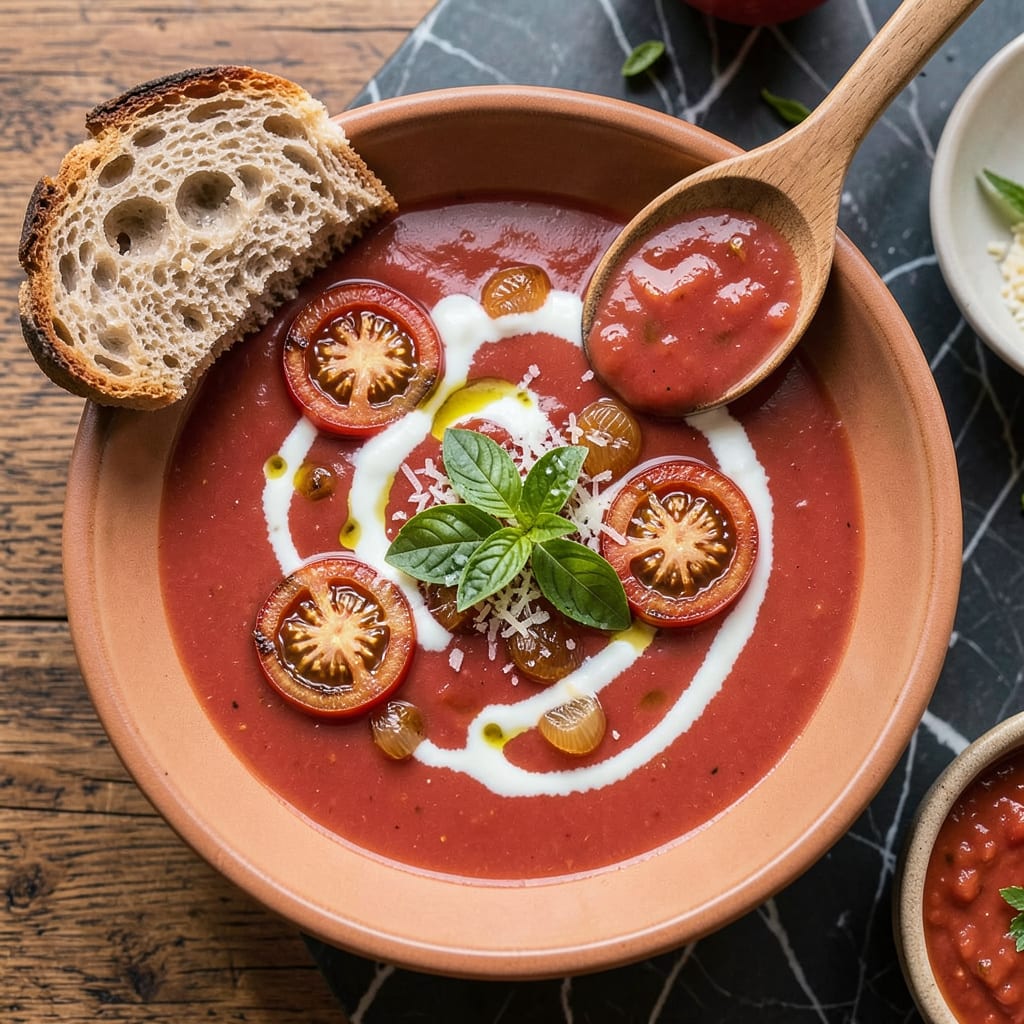
Tomato soup can be a tricky beast—too often, that bright acidity overpowers everything else, leaving you with a dish that’s more pucker than pleasure. I’ve been there, stirring pot after pot, trying to find that perfect balance where the tomatoes shine without overwhelming your taste buds. The good news? A few simple tweaks can transform harsh acidity into rich, velvety harmony.
My go-to solutions start with what’s already in your pantry. A splash of cream or butter adds richness that naturally softens acidity, while a pinch of sugar or honey rounds out flavors without making things sweet. For vegan versions, coconut milk works beautifully. The key is adding these gradually—start with 1 tsp sugar or 2 tbsp cream per cup of soup—then taste as you go.
Sometimes the fix isn’t about adding ingredients but adjusting your cooking process. Simmering your soup longer allows acids to mellow naturally, while adding starchy vegetables like carrots or potatoes can absorb some of that sharpness. I’ve found that even a small potato, diced and cooked with the tomatoes, makes a noticeable difference without altering the soup’s texture.
What you’re aiming for is balance—where the tomatoes’ natural brightness comes through without making your cheeks tighten. These techniques don’t mask flavors; they create a foundation where every ingredient can sing. Whether you’re making a quick weeknight version or a slow-simmered masterpiece, getting the acidity right turns good tomato soup into something truly special.
📚 In This Guide
- What You’ll Need
- Instructions
- Tips and Common Mistakes
What Youll Need
- ● Fresh or canned tomato soup: 4–6 cups (homemade or store-bought—check for added acids like vinegar or citrus).
- ● Baking soda: ¼–½ tsp (the secret weapon for quick acid neutralization—use sparingly!).
- ● Dairy or dairy alternatives: Heavy cream or half-and-half: ¼–½ cup (for richness).
- ● Whole milk or coconut milk: ½–1 cup (lighter options).
- ● Butter: 1–2 tbsp (adds smoothness).
- ○ Sweetener (optional): Honey or sugar: 1–2 tsp (balances tartness naturally).
- ● Carrots: 1 medium (roasted or simmered for subtle sweetness).
- ● Tools: Medium saucepan (2–3 quart capacity).
- ● Wooden spoon or silicone spatula (for stirring).
- ● Tasting spoons (to test flavor as you go!).
- ○ Optional: Immersion blender (if adjusting texture post-tweaking).
- ● Prerequisites: Pre-made soup (cooled slightly if adjusting after cooking).
- ● Patience—add fixes gradually and taste often! ⏳
Step-by-Step Instructions for Balancing Tomato Soup Acidity
Here’s the method I use to transform sharp tomato soup into rich, velvety perfection every time.
Start with Quality Tomatoes
Your soup’s acidity begins with the tomatoes themselves. I always recommend using ripe, in-season tomatoes when possible—they contain more natural sugars that balance their acidity. For canned tomatoes, opt for high-quality San Marzano varieties which are naturally sweeter and less acidic than standard canned tomatoes.
If you’re working with fresh tomatoes, roast them first at 400°F for 30-40 minutes until they develop caramelized edges. This process intensifies their natural sweetness while mellowing harsh acids. For canned tomatoes, drain and rinse them briefly to remove some of the canning liquid which often contains added citric acid.
Build a Flavor Foundation
Begin your soup base by sweating aromatic vegetables—onions, carrots, and celery—in olive oil over medium-low heat for 10-15 minutes until they become translucent and just begin to caramelize. The natural sugars in these vegetables will help counteract acidity later in the cooking process.
Add a pinch of salt early in this process—it helps draw out moisture and intensifies the vegetables’ natural sweetness. For extra depth, I like to include a small piece of Parmesan rind or a bay leaf during this stage, which adds umami complexity that helps balance acidity. Remove these before blending if you choose to add them.
Neutralize with Dairy or Starch
Once your soup is blended and simmering, it’s time to address any remaining acidity. My preferred method is stirring in heavy cream or whole milk—about ¼ cup per 4 servings—which adds richness while neutralizing sharp edges. The fat in dairy coats your tongue and softens the perception of acidity.
For a dairy-free approach, create a slurry with 1 tablespoon cornstarch mixed with 2 tablespoons cold water and whisk it into the simmering soup. Cook for an additional 3-5 minutes—this not only thickens the soup but also binds to some of the acidic compounds, reducing their intensity. Alternatively, a small pat of butter swirled in at the end works wonders through a process called emulsification.
Sweeten Strategically
A touch of sweetness is often the final key to perfect balance. I recommend starting with 1 teaspoon of sugar or honey per 4 servings, stirring well and tasting before adding more. The sweetness should enhance the tomato flavor without making the soup taste sweet.
For more complex flavor, try 1-2 teaspoons of balsamic vinegar—it contains natural sweetness that complements tomatoes while its own acidity paradoxically helps balance the overall perception. Another chef’s trick is adding a small piece of carrot or beet while simmering, then removing it before serving—the vegetables impart subtle sweetness without altering the soup’s color or texture.
Finish with Umami Boosters
The final step in creating perfectly balanced tomato soup is layering umami flavors that make the soup taste richer and less acidic. Stir in 1-2 tablespoons of tomato paste cooked until it darkens slightly, or add a splash of soy sauce or Worcestershire sauce—just ½ teaspoon can make a remarkable difference.
A sprinkle of grated Parmesan cheese at serving time adds saltiness and umami that further balances acidity. For vegetarian versions, nutritional yeast or a dash of mushroom powder works beautifully. Always taste as you go—these final adjustments should enhance the soup’s complexity without overpowering the natural tomato flavor.
Tips and Common Mistakes for Balancing Tomato Soup Acidity
These professional techniques will help you achieve perfectly balanced tomato soup with rich, velvety flavor every time.
Roasting Technique: When roasting fresh tomatoes in Step 1, don’t overcrowd the baking sheet. Spread them in a single layer with space between each piece to allow proper caramelization at 400°F. This ensures even browning and maximum sweetness development during the 30-40 minute roasting time. The edges should darken significantly while the flesh remains tender.
Sweating Vegetables Properly: In Step 2, the 10-15 minutes over medium-low heat is crucial for developing the vegetables’ natural sugars. Stir occasionally but not constantly—you want them to make contact with the pan long enough to begin caramelizing. Add the salt early as directed; it helps draw out moisture and concentrates the sweet flavors that will balance acidity.
Dairy Integration: When adding the ¼ cup of heavy cream or whole milk per 4 servings in Step 3, temper it first by stirring a spoonful of hot soup into the cold dairy before adding it all. This prevents curdling and ensures smooth incorporation. The fat molecules need to disperse evenly to properly coat your palate and neutralize acidity perception.
Umami Layering: For the tomato paste in Step 5, cook it until it transforms from bright red to a deeper brick color—this indicates the Maillard reaction has occurred, developing complex umami compounds. Just 1-2 tablespoons cooked properly will add significant depth that counters acidity. The same principle applies when using soy sauce or Worcestershire—just ½ teaspoon is often enough to make a noticeable difference.
Pro Tips for Cut Acidity In Tomato Soup
- These professional techniques will help you achieve perfectly balanced tomato soup with rich, velvety flavor every time.
- Roasting Technique: When roasting fresh tomatoes in Step 1, don’t overcrowd the baking sheet. Spread them in a single…
- Sweating Vegetables Properly: In Step 2, the 10-15 minutes over medium-low heat is crucial for developing the vegetab…
Frequently Asked Questions
Can I add sugar to reduce acidity in tomato soup?
Yes! A pinch of sugar (½–1 tsp per 4 cups) neutralizes acidity by balancing flavors. Brown sugar or honey work too—add gradually and taste as you go. Avoid overdoing it, or your soup may taste sweet instead of rich. Pro tip: Stir well and simmer 5 minutes to blend flavors.
What’s the fastest way to fix acidic tomato soup?
For instant results, stir in ¼ tsp baking soda (dissolved in water) per cup of soup. It neutralizes acid immediately but can make soup foamy if overused. Alternatively, add a splash of heavy cream or butter for a smoother fix. Best for last-minute saves!
Are there dairy-free alternatives to cut acidity?
Try these:
- Coconut milk (¼ cup) – adds creaminess without dairy.
- Avocado (blended) – rich texture + healthy fats.
- Roasted veggies (carrots, sweet potatoes) – natural sweetness.
Bonus: A dash of nutritional yeast adds umami depth!
Why does my tomato soup taste bitter after reducing acidity?
Over-compensating with sugar or dairy can mask freshness, making bitterness stand out. Fix it by:
- Adding a pinch of salt (enhances other flavors).
- Stirring in fresh herbs (basil, parsley).
- Squeezing in lemon juice (sounds counterintuitive, but it brightens!).
Balance is key—taste as you adjust!
Can I prevent acidity in tomato soup before cooking?
Yes! Start with these tricks:
- Roast tomatoes first (caramelizes sugars, reduces tartness).
- Use low-acid tomatoes (like San Marzano).
- Add a carrot or beet while simmering (natural sweetness).
Prevention = less fixing later!
Balancing the acidity in tomato soup doesn’t have to be tricky! With simple ingredients like baking soda, dairy, or sugar, you can create a smoother, richer flavor in minutes. Whether you’re fixing a batch that’s too tangy or just fine-tuning your recipe, these chef-approved methods make it easy to get it just right.
Now that you’ve got the know-how, why not put it to the test? Try adjusting your next pot of soup and taste the difference—your palate (and dinner guests!) will thank you. 😊 Happy cooking!

Trained in classic French technique but raised on slow-cooked ribs and spicy rubs, she blends culinary skill with smoke and soul.
- Recipe for Boneless Pork Chops in Cast Iron Skillet: Sear and Baste to Juicy Perfection - October 3, 2026
- Recipe for Boneless Cross Rib Roast: Slow-Roasted Beef with Herb Crust - October 3, 2026
- Hamburgers in Sauce Recipe Crock Pot: Slow-Cooked Savory Delight - October 3, 2026