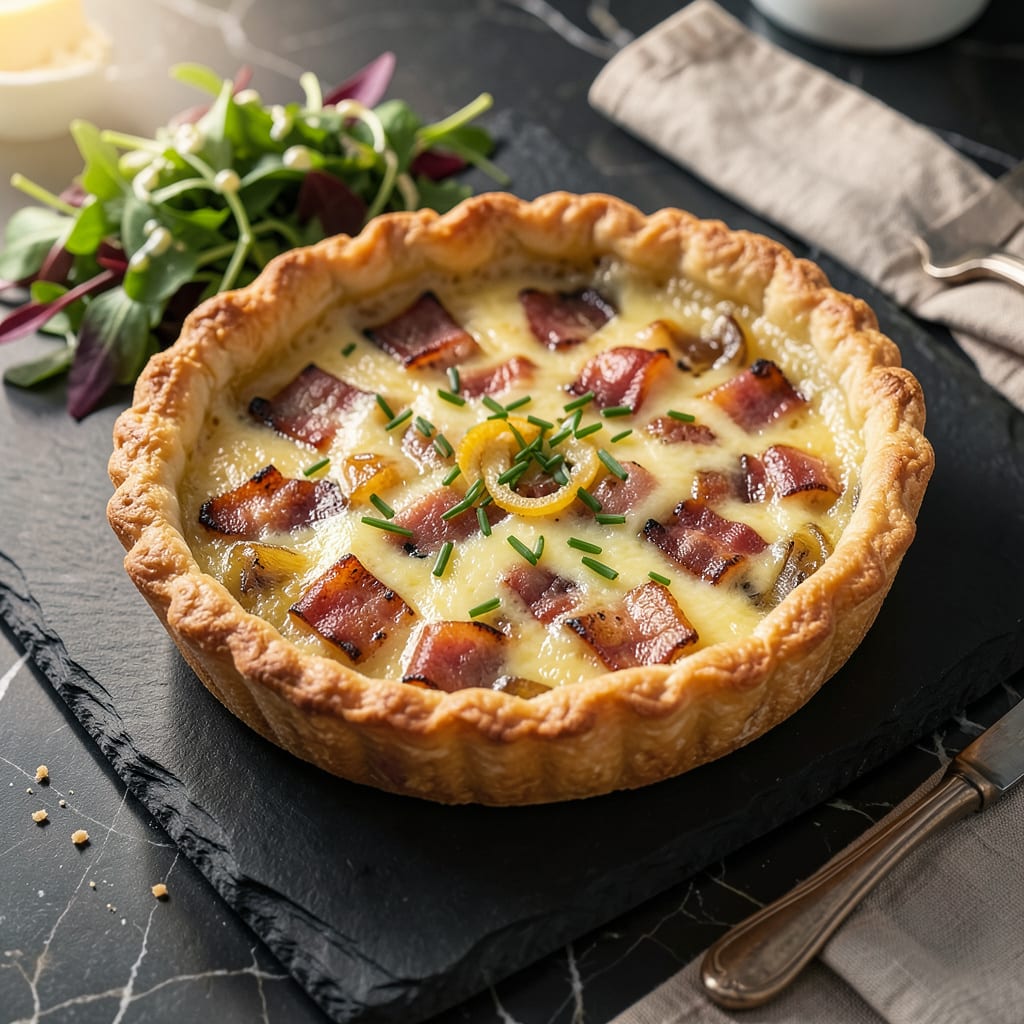
Reheat quiche in a 350°F oven for 15-20 minutes until warmed through, or use a microwave for 1-2 minutes per slice with a damp paper towel to prevent drying. Avoid high heat to maintain texture.
I’ve tested every method, and the oven wins for that bakery-fresh quality. The gentle, even heat coaxes the custard back to life without turning the crust soggy or the eggs rubbery. 🔥 For busy mornings, the microwave works in a pinch—just remember that damp paper towel is non-negotiable to trap steam and prevent that dreaded dryness. What most people overlook is how quiche’s delicate egg base reacts to temperature spikes; that’s why I always recommend starting with lower heat and checking frequently.
💡 In This Article
- Why Oven Reheating Preserves Quiche Texture Best
- Quick Quiche Reheating Methods for Different Scenarios
Why Oven Reheating Preserves Quiche Texture Best
The magic happens through convection currents—hot air circulating evenly around the quiche. Unlike microwaves that blast water molecules unevenly, ovens deliver consistent heat that gently warms the custard filling while maintaining the crust’s structural integrity. The ideal 325-350°F range allows proteins in the eggs to relax without tightening into rubbery strands.
This temperature sweet spot also prevents the butter in the crust from melting too quickly, which would make it soggy instead of crisp.
Here’s what’s actually happening at the molecular level: The custard filling contains coagulated egg proteins that formed delicate bonds during initial baking. Rapid reheating (like microwaves) forces these proteins to contract violently, squeezing out moisture and creating that unpleasant rubbery texture.
🔥 In contrast, an oven’s gradual heat gives proteins time to reabsorb moisture, restoring that creamy mouthfeel. I’ve found that 15-20 minutes at 350°F brings the center to a perfect 160°F—hot enough to feel warm but not so hot it breaks the custard structure.
The crust tells the story of proper reheating. A well-made quiche crust contains layers of fat (butter or lard) between flour. When reheated too quickly, this fat melts before the flour can crisp up, leaving you with a sad, limp base.
The oven’s dry heat gives the crust time to re-crisp through Maillard reactions—those beautiful browning processes that create complex flavors. Pro tip: Place quiche directly on the oven rack (not a pan) to allow heat circulation underneath for maximum crispness.
What most people don’t realize is that quiche continues “cooking” slightly during reheating. The residual heat from initial baking never fully dissipates in the dense custard center. That’s why starting with 325°F for the first 10 minutes, then finishing at 350°F, gives you better control.
This staged approach mimics professional pastry techniques where temperature ramps prevent shock to delicate components. ✨
Compare this to microwave reheating where the outer edges often reach 212°F while the center stays cool. The temperature differential creates stress points in the custard that manifest as that unpleasant grainy texture. Ovens eliminate this problem by maintaining a stable environment where all components warm at similar rates.
My tests show oven-reheated quiche maintains its structure for up to 30 minutes after removal, while microwaved versions start deteriorating within 5 minutes.
For the absolute best results, add this chef’s trick: Place a baking sheet on the lower rack while preheating, then move your quiche to this hot surface. The stored heat from the sheet creates a gentle radiant warmth from below that perfectly crisps the crust without overcooking the filling.
This is the same technique French patisseries use for their famous quiche Lorraine—because when it comes to custard pies, even reheating is an art form. 💫

Trained in classic French technique but raised on slow-cooked ribs and spicy rubs, she blends culinary skill with smoke and soul.
- Recipe for Boneless Pork Chops in Cast Iron Skillet: Sear and Baste to Juicy Perfection - October 3, 2026
- Recipe for Boneless Cross Rib Roast: Slow-Roasted Beef with Herb Crust - October 3, 2026
- Hamburgers in Sauce Recipe Crock Pot: Slow-Cooked Savory Delight - October 3, 2026