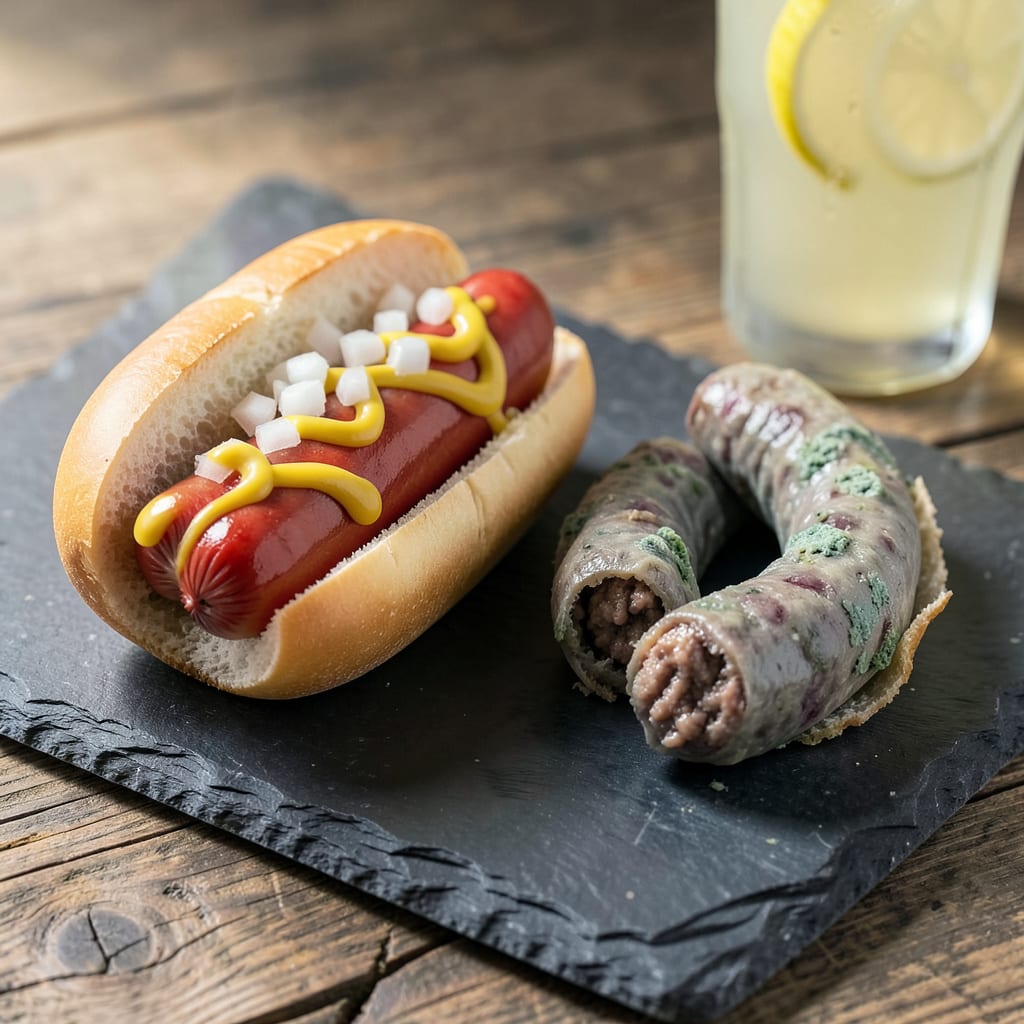
Check for a sour or rancid smell, slimy texture, or grayish-green discoloration. If the package is bloated or leaking, or if the expiration date has passed, discard them immediately.
From my years handling meats, I’ve learned that spoilage often starts subtly—like a faint ammonia-like odor that intensifies over time. 🔥 That slimy film you might feel isn’t just unappetizing; it’s a clear sign of bacterial growth that can make you seriously ill. Pay special attention to the package too: a swollen seal means gases from spoilage bacteria are building up inside, even if the hot dogs look fine. Trust me, when in doubt, toss it out—food poisoning isn’t worth the risk.
💡 In This Article
- Visual and Sensory Signs of Spoiled Hot Dogs
- Storage and Handling Tips to Keep Hot Dogs Fresh
Visual and Sensory Signs of Spoiled Hot Dogs
When hot dogs begin to spoil, the first red flag is often a slimy film on the surface. This happens because bacteria like Lactobacillus and Pseudomonas break down proteins and fats, producing a sticky, viscous layer. The slime isn’t just unpleasant—it’s a biofilm created by microbial colonies multiplying rapidly.
If you run your finger over the surface and it feels tacky or leaves residue, that’s a clear warning sign the meat is no longer safe.
The color transformation is another dead giveaway. Fresh hot dogs have a consistent pinkish-red hue from nitrites in the curing process. As they spoil, myoglobin (the protein that gives meat its color) oxidizes, turning the surface grayish-brown or greenish.
In severe cases, you might spot black or white mold—especially around the casing edges where moisture collects. These color shifts indicate lipid oxidation and microbial metabolism, both of which produce toxins that can cause foodborne illness.
Smell is your most reliable detector. Spoiled hot dogs develop a sour, ammonia-like odor from bacterial byproducts like putrescine and cadaverine. These compounds form as proteins decompose, creating that unmistakable “rotten meat” stench.
I’ve found that even a faint off-odor means the spoilage process has begun—trust your nose, as these volatile compounds are detectable long before the meat becomes visibly bad. The casing might also appear wrinkled or shriveled as moisture evaporates during decomposition.
Don’t overlook the packaging either. A bloated or puffy package signals gas production from anaerobic bacteria like Clostridium. These microbes thrive in oxygen-free environments, releasing carbon dioxide and hydrogen sulfide as they multiply. If you hear a hissing sound when opening the package or see liquid seeping out, that’s a sure sign of advanced spoilage.
The USDA notes that even unopened packages can harbor these dangers if temperature-abused during storage.
Here’s what most people miss: texture changes often precede visible mold. A fresh hot dog should feel firm and springy when pressed. As it spoils, the meat becomes mushy or crumbly due to enzyme breakdown of collagen and muscle fibers. This degradation makes the hot dog lose its characteristic “snap” when bitten.
I always recommend the finger test—if it doesn’t bounce back when gently pressed, it’s time to discard it.
Remember that expiration dates are just guidelines. Hot dogs left at room temperature for more than 2 hours (or 1 hour if above 90°F) enter the “danger zone” where bacteria multiply exponentially. The FDA warns that Listeria monocytogenes—which can grow even in refrigerated temperatures—is a particular risk with ready-to-eat meats like hot dogs.
When in doubt, follow the old pitmaster’s rule: “If it doesn’t look, smell, and feel perfect, don’t risk it.”

Trained in classic French technique but raised on slow-cooked ribs and spicy rubs, she blends culinary skill with smoke and soul.
- Recipe for Boneless Pork Chops in Cast Iron Skillet: Sear and Baste to Juicy Perfection - October 3, 2026
- Recipe for Boneless Cross Rib Roast: Slow-Roasted Beef with Herb Crust - October 3, 2026
- Hamburgers in Sauce Recipe Crock Pot: Slow-Cooked Savory Delight - October 3, 2026