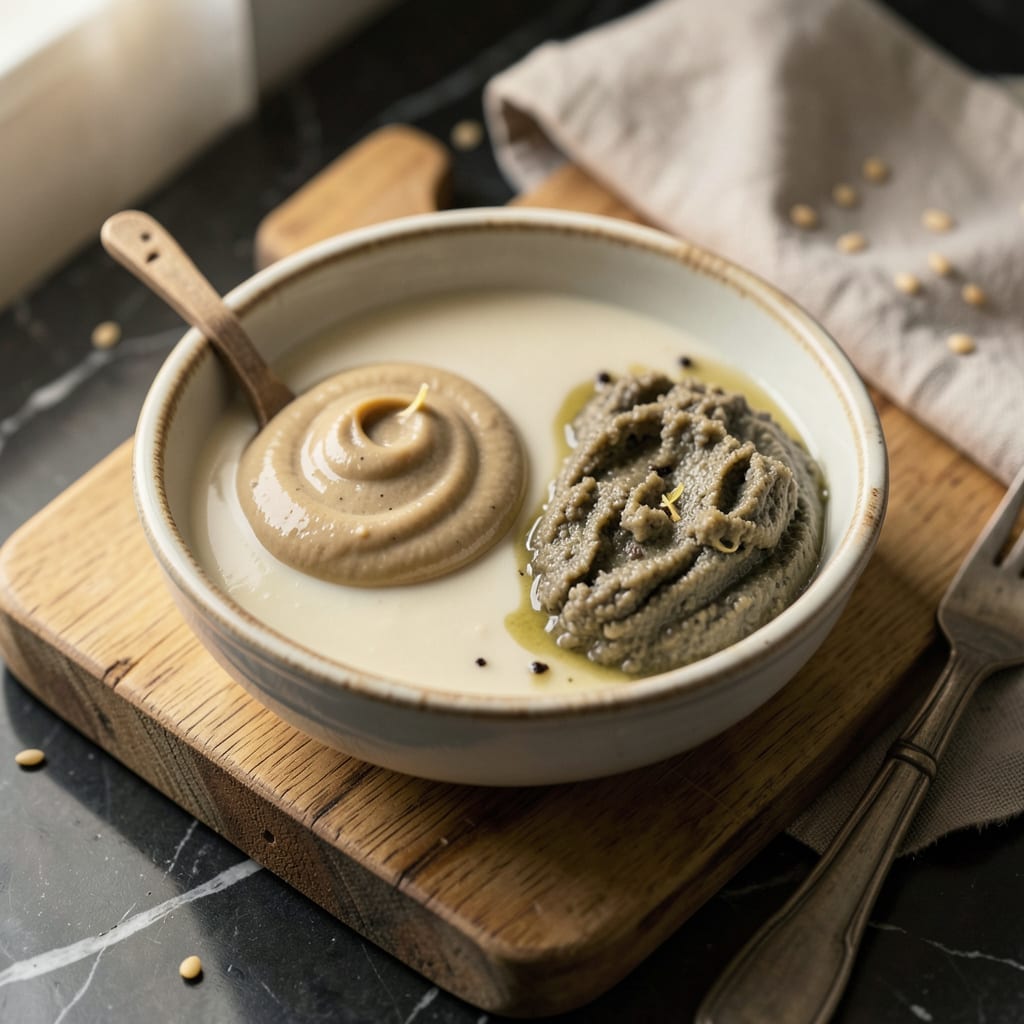
Tahini is bad if it smells rancid, tastes bitter or sour, or shows mold growth. Fresh tahini should have a nutty aroma and smooth texture—discard if separated oil smells off or looks discolored.
I always check tahini by trusting my senses first—your nose and tongue are the best detectors for spoilage. 🔥 The natural oils in sesame seeds oxidize over time, which is why you might notice a sharp, paint-like smell developing in older jars. This process happens faster when tahini is exposed to heat or light, so storage conditions play a huge role in its longevity. What many people don’t realize is that even unopened tahini can degrade if stored improperly, especially in warm pantries or near stoves.
💡 In This Article
- Physical and Sensory Signs of Spoiled Tahini
- Storing Tahini to Extend Shelf Life and Freshness
Physical and Sensory Signs of Spoiled Tahini
When tahini goes bad, the first red flag is usually the oil separation pattern. Fresh tahini naturally separates, but the oil should be golden and clear. Spoiled tahini develops cloudy, thick oil that may have a sticky consistency—almost like old varnish.
This happens because the sesame oils break down and polymerize, creating larger molecules that change the liquid’s viscosity. 🔥
The color shift is another dead giveaway. Fresh tahini ranges from creamy beige to light tan, depending on whether it’s made from hulled or unhulled sesame seeds. As it oxidizes, the paste darkens to a muddy brown or grayish hue.
I’ve seen jars develop dark streaks near the edges where air exposure was greatest—this is where oxidation concentrates first. The color change happens faster in unhulled tahini because the seed coats contain more pigments that degrade when exposed to light.
Texture changes dramatically in spoiled tahini. While fresh tahini should reconstitute to a smooth, pourable consistency when stirred, bad tahini becomes grainy or clumpy—almost like wet sand. This happens because the emulsifiers in sesame seeds (primarily lecithin) break down, causing the oil and solids to separate permanently.
In extreme cases, you might even feel tiny hard bits, which are oxidized sesame particles that have essentially “cooked” from prolonged air exposure. ✨
The smell test is where most people catch spoilage. Fresh tahini has a warm, toasty aroma with nutty undertones. Rancid tahini smells sharp and chemical-like—similar to old paint or nail polish remover. This is the smell of oxidized fatty acids releasing volatile compounds like hexanal and nonanal.
Even a slight sour or musty odor means the tahini is past its prime, as these scents indicate microbial growth beginning in the oil phase.
Taste is the final confirmation, but I only recommend this if the other signs are borderline. Fresh tahini has a rich, slightly sweet nuttiness with a clean finish. Spoiled tahini leaves a bitter, metallic aftertaste that lingers unpleasantly.
The bitterness comes from oxidized phenols in the sesame oil, while the metallic note suggests the oils have started to break down into fatty acids and glycerol. If you detect either, it’s time to toss the jar. 💫
One pro tip: Check the jar’s interior walls. Fresh tahini leaves a clean, slightly oily residue. Spoiled tahini often leaves a tacky, varnish-like film that’s hard to wipe away—this is polymerized oil that’s essentially turned into a thin plastic coating.
This film develops faster in jars stored at room temperature versus refrigerated ones, which is why storage location makes such a difference in tahini’s shelf life. ⚡

Trained in classic French technique but raised on slow-cooked ribs and spicy rubs, she blends culinary skill with smoke and soul.
- Recipe for Boneless Pork Chops in Cast Iron Skillet: Sear and Baste to Juicy Perfection - October 3, 2026
- Recipe for Boneless Cross Rib Roast: Slow-Roasted Beef with Herb Crust - October 3, 2026
- Hamburgers in Sauce Recipe Crock Pot: Slow-Cooked Savory Delight - October 3, 2026