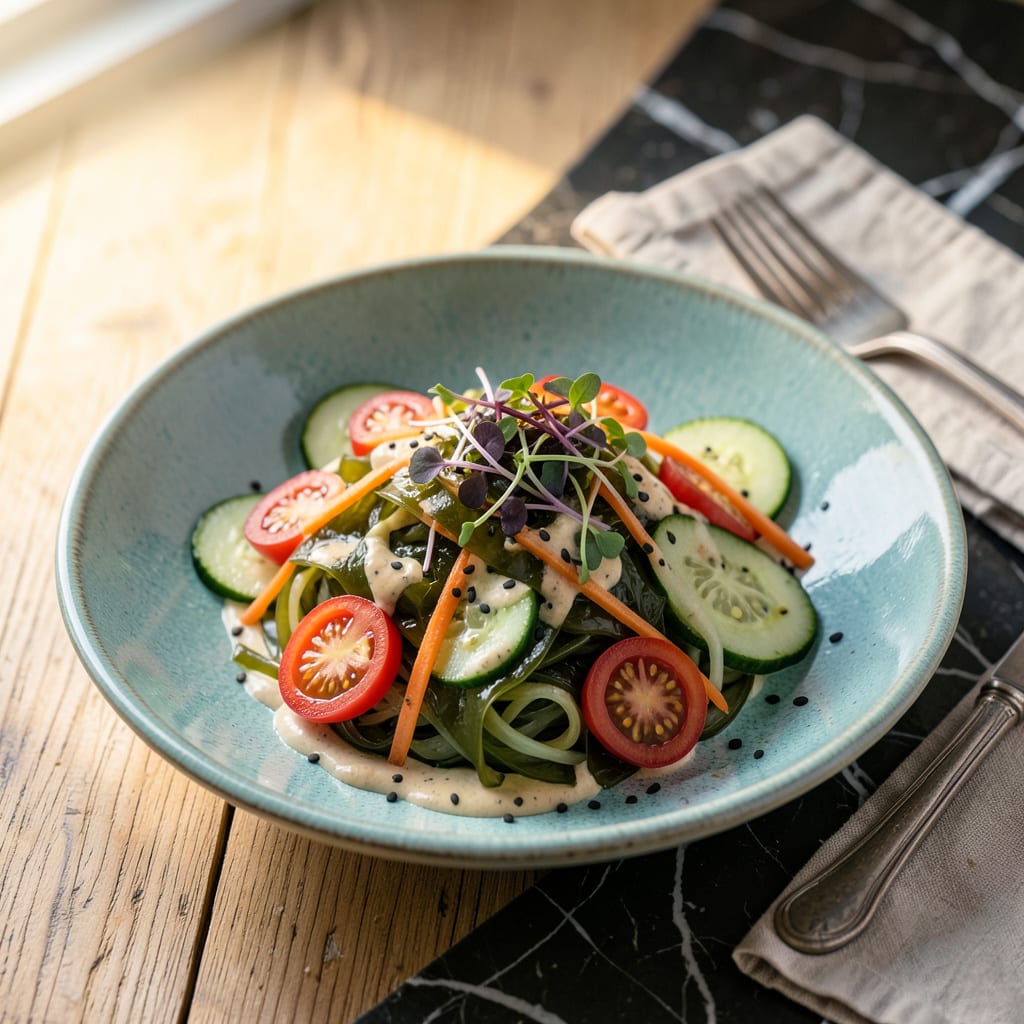
I’ll be real with you—kelp noodles can be intimidating if you’ve never worked with them before. These translucent, crunchy strands straight from the package need a little love to transform into something magical. After my first disastrous attempt (let’s just say “crunchy” isn’t always good), I cracked the code for achieving that perfect crisp-tender texture every time.
Here’s the thing—the secret isn’t cooking, it’s preparation. A quick soak in warm water with lemon juice softens them just enough while keeping that signature bite. I like to think of them as the chameleon of noodles—they absorb flavors like a sponge while maintaining their unique texture. Toss them with sesame oil, tamari, and fresh veggies, and you’ve got a dish that’s both satisfying and packed with nutrients.
What you’ll end up with is something between al dente pasta and fresh spring rolls—crisp enough to have bite, tender enough to twirl around your fork. The best part? They stay crisp-tender even after dressing, unlike regular noodles that turn mushy. I’ve served these to skeptical friends who now request them regularly.
Perfect as a base for Asian-inspired salads, stir-fries, or even raw pad thai. The possibilities are endless once you master the simple prep. Let me show you exactly how to handle these ocean-born noodles like a pro.
📚 In This Guide
- What You’ll Need
- Instructions
- Tips and Common Mistakes
What Youll Need
- ● 1 package (12 oz) raw kelp noodles – Look for organic, pre-washed varieties (like Sea Tangle brand) for the best texture.
- ● 1 large mixing bowl – Glass or stainless steel works best (avoid plastic for soaking).
- ● 1 colander or fine-mesh strainer – For easy draining without losing noodles.
- ● 1 lemon or 2 tbsp apple cider vinegar – Helps soften noodles and neutralize the natural saltiness.
- ○ 1 tsp baking soda (optional) – For extra crunch if you prefer a firmer bite.
- ● Kitchen scissors – To trim noodles to your desired length.
- ● Tongs or salad hands – Makes tossing and draining a breeze.
- ○ Your favorite dressing or marinade (optional) – Think sesame-ginger, lemon-tahini, or spicy peanut sauce!
- ○ Toppings (optional) – Sliced avocado, sesame seeds, or fresh herbs for extra flavor.
Instructions
You’re just minutes away from perfectly prepared kelp noodles with that ideal crisp-tender texture—let’s get started!
Rinse and Prepare the Kelp Noodles
Begin by opening the package of kelp noodles and draining them in a colander. I always give them a thorough rinse under cold running water for about 30 seconds, using my hands to gently separate the strands. This removes any excess salt from the packaging liquid and helps eliminate that initial ocean-like aroma.
After rinsing, let the noodles drain completely for 2-3 minutes. You’ll notice they become slightly more pliable as they sit. Don’t be alarmed if they still feel quite firm at this stage—that’s exactly what we want. The texture will transform beautifully as we work with them.
Soften the Noodles with Warm Water
Here’s the game-changer: transfer your drained kelp noodles to a large bowl and cover them with warm (not hot) water. I use water that’s about 100°F—comfortable to touch but definitely warmer than room temperature. Let them soak for 5-7 minutes, stirring occasionally to ensure even softening.
You’ll see the noodles begin to curl and become more translucent as they absorb water. This step is crucial for achieving that perfect balance between crispness and tenderness. The noodles should feel slightly more flexible but still maintain some resistance when you bite into them. Drain them well after soaking.
Create Flavor with a Quick Marinade
Now for the flavor boost! In a clean bowl, whisk together your favorite dressing or marinade. I love using a simple combination of lemon juice, olive oil, and a touch of honey or maple syrup for balance. Add the softened kelp noodles and toss gently but thoroughly to coat every strand.
Let the noodles marinate for at least 10 minutes at room temperature. This gives the flavors time to penetrate the noodles while they continue to soften slightly. You’ll notice the color becomes more vibrant and the texture more inviting. Taste a strand—it should have that wonderful crisp-tender quality we’re after.
Serve Immediately for Best Texture
Kelp noodles are at their absolute best when served fresh, so don’t let them sit too long after marinating. Transfer them to serving plates or bowls, making sure to include all those delicious marinade juices. The noodles should glisten slightly and have a beautiful sheen from the dressing.
For the perfect finishing touch, I love adding fresh herbs like cilantro or basil, some toasted sesame seeds for crunch, and maybe a sprinkle of chili flakes for heat. Serve immediately while the texture is at its peak—crisp yet tender with each bite. The noodles will continue to soften slightly as they sit, so enjoy them right away for that ideal mouthfeel.
Tips and Common Mistakes
Mastering kelp noodles is all about perfect timing and texture—here’s how to get it right every time.
Rinsing Technique: In Step 1, that 30-second rinse under cold water isn’t just about removing salt—it’s your first chance to transform the texture! Use your fingers to actively separate each strand while rinsing. This prevents clumping later and ensures every noodle gets equal treatment during the soaking process.
Water Temperature Wisdom: The 100°F water in Step 2 is absolutely critical—this is where most people go wrong! Test it like you would a baby’s bath: comfortable on your wrist but definitely warmer than room temperature. Too hot and you’ll make the noodles mushy; too cold and they’ll stay unpleasantly crunchy. I use a meat thermometer to check if I’m unsure.
Marinating Magic: During the 10-minute marinade in Step 3, don’t just let the noodles sit—give the bowl a gentle stir every 2-3 minutes. This ensures the flavors distribute evenly and prevents the noodles at the bottom from becoming soggy while the top ones stay under-seasoned. The difference in flavor penetration is astonishing!
Serving Strategy: Step 4 mentions serving immediately, and I can’t stress this enough! Kelp noodles continue to absorb moisture after marinating. If you must prep ahead, keep the marinated noodles and dressing separate until the last possible moment. Even 15 minutes can mean the difference between that perfect crisp-tender bite and disappointingly soft noodles.
Pro Tips for Prepare Kelp Noodles
- Mastering kelp noodles is all about perfect timing and texture—here’s how to get it right every time.
- Rinsing Technique: In Step 1, that 30-second rinse under cold water isn’t just about removing salt—it’s your first ch…
- Water Temperature Wisdom: The 100°F water in Step 2 is absolutely critical—this is where most people go wrong! Test i…
Frequently Asked Questions
Do kelp noodles need to be cooked, or can I eat them raw?
Kelp noodles are technically edible straight from the package, but they’re very crunchy and salty! A quick 10–15 minute soak in water (or a vinegar-water mix) softens them and removes excess salt. For a warmer dish, blanch them for 1–2 minutes—just don’t overcook, or they’ll turn mushy.
How long do kelp noodles last after opening?
Unopened, they’ll keep for months in the pantry. Once opened, transfer them to an airtight container with fresh water and refrigerate. Pro tip: Change the water daily to maintain texture—they’ll stay fresh for up to 5 days. Freezing isn’t recommended (they get soggy!).
What’s the best way to remove the salty taste?
Soak noodles in cold water for 15–20 minutes, then rinse thoroughly. For extra flavor, add a splash of apple cider vinegar or lemon juice to the soak. If short on time, a quick rinse under running water helps, but the texture won’t be as tender.
Can I substitute kelp noodles for regular pasta?
Yes, but expect a lighter, crisp-tender bite! Kelp noodles work great in cold salads, stir-fries, or Asian-inspired dishes. For hot pasta dishes, blanch them briefly (1–2 minutes) to warm through. Note: They won’t hold heavy sauces like al dente wheat pasta.
Why did my kelp noodles turn slimy?
Slimy noodles usually mean over-soaking (beyond 20 minutes) or leaving them in vinegar too long. Stick to a 1:3 vinegar-to-water ratio for soaking, and pat dry before using. If they’re already slimy, rinse under cold water and toss with a bit of oil to revive them. Avoid boiling—they’ll fall apart!
With just a few simple steps, you’ve unlocked the secret to turning kelp noodles from chewy to crisp-tender perfection! 🌿 Whether you’re tossing them into salads, stir-fries, or slurping them straight from the bowl, these noodles are a nutrient-packed, low-carb game-changer. The key? A quick rinse, a soak, and a little creativity—no fancy tools required.
Ready to dive in? Grab a pack of kelp noodles and experiment with your favorite flavors—think zesty sesame dressing, spicy peanut sauce, or a bright citrus marinade. Your next 5-minute meal is waiting! 🍜

Trained in classic French technique but raised on slow-cooked ribs and spicy rubs, she blends culinary skill with smoke and soul.
- Recipe for Boneless Pork Chops in Cast Iron Skillet: Sear and Baste to Juicy Perfection - October 3, 2026
- Recipe for Boneless Cross Rib Roast: Slow-Roasted Beef with Herb Crust - October 3, 2026
- Hamburgers in Sauce Recipe Crock Pot: Slow-Cooked Savory Delight - October 3, 2026