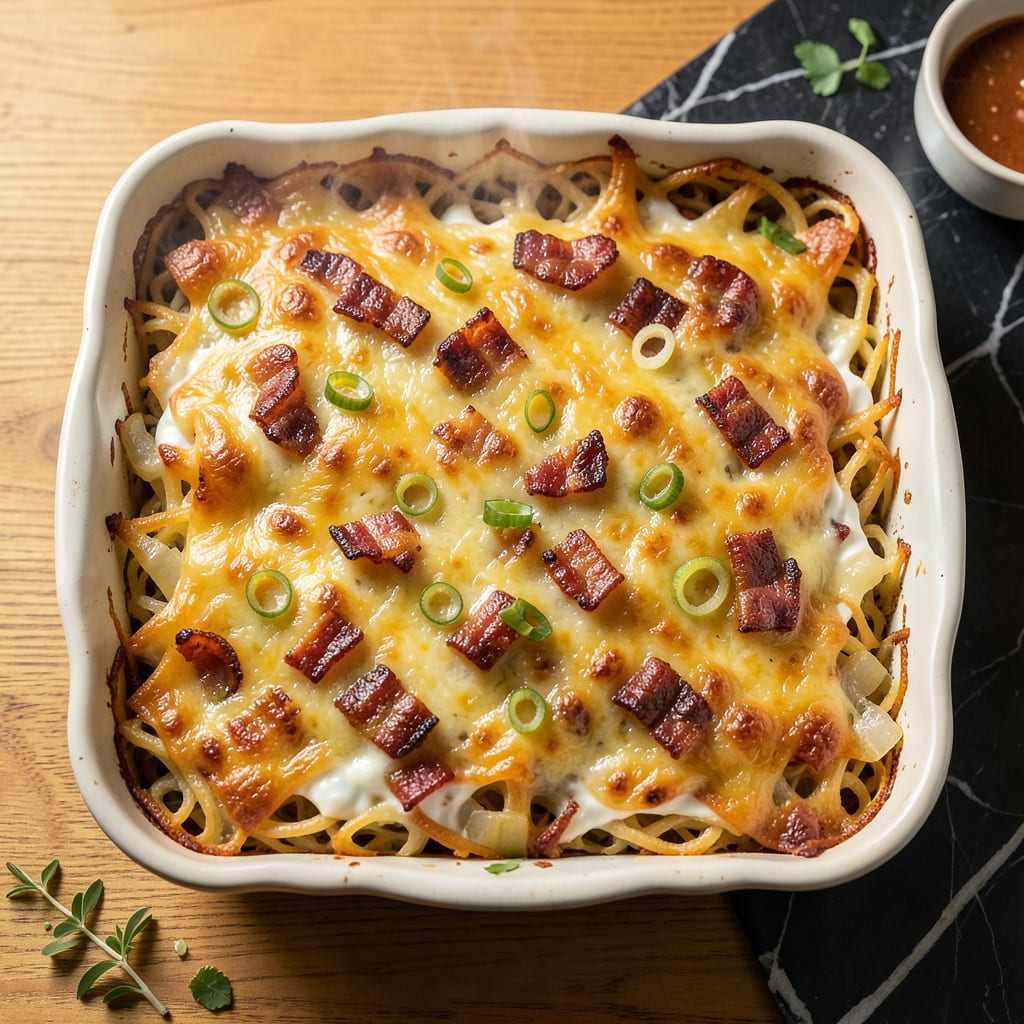
Reheat hash brown casserole in the oven at 350°F for 20-30 minutes (covered with foil) for even warming and crispy edges. Microwave individual portions in 30-second bursts for quick results, but texture may soften.
I’ve found that oven reheating works best because it mimics the original baking process, allowing the potatoes to crisp up again while the foil traps just enough steam to keep the inside moist. 🔥 The microwave is great when you’re in a hurry, but I always warn people that those crispy edges you worked so hard to achieve will turn soft—it’s a trade-off between speed and texture. For potlucks or meal prep, I recommend portioning before refrigerating so you can reheat only what you need without compromising quality.
💡 In This Article
- Why Oven Reheating Preserves Hash Brown Casserole Texture
- Step-by-Step Guide to Reheating Hash Brown Casserole Safely
Why Oven Reheating Preserves Hash Brown Casserole Texture
The oven’s dry, circulating heat is what makes it ideal for reviving hash brown casserole. Unlike microwaves that zap moisture unevenly, ovens distribute heat gradually at 350°F, allowing the potatoes to re-crisp while the interior warms through.
This temperature is high enough to evaporate surface moisture but low enough to prevent burning—critical for maintaining that perfect golden crust you worked so hard to achieve initially.
Foil plays a crucial role in this process. When you cover the dish for the first 15-20 minutes, it creates a steam chamber that gently reheats the center without drying it out. 🔥 Then removing the foil for the final 5-10 minutes lets excess moisture escape while the top layer gets that satisfying crunch back.
I’ve tested this with both aluminum foil and parchment paper—aluminum wins for better heat reflection and crisping power.
Here’s what’s happening at the molecular level: The starches in potatoes retrogradate when cooled, making them firm. Gradual oven heat (unlike microwave bursts) gives these starches time to re-absorb moisture and soften properly. The Maillard reaction also rekindles on the surface, restoring those caramelized flavors that make hash brown casserole so addictive.
This is why oven-reheated portions taste almost identical to freshly baked ones.
Microwaves, by contrast, excite water molecules so aggressively that they turn crispy edges soggy within seconds. The waves penetrate unevenly, creating hot spots while leaving other areas cold—a recipe for textural disaster. I once ruined an entire batch by microwaving it all at once; the center stayed icy while the edges turned to mush.
Lesson learned: microwaves are for speed, ovens are for quality.
Pro tip: For extra crispiness, place the casserole on a preheated baking sheet or pizza stone. The stored heat from these surfaces creates an instant sear effect when you remove the foil, giving you that coveted crunch in half the time.
I keep a dedicated pizza stone in my oven just for reheating purposes—it’s changed my leftover game completely.
Consider the casserole’s ingredients too. Cheese-heavy versions need slightly lower temps (325°F) to prevent separation, while vegetable-packed ones benefit from a quick broil at the end to revive any limp veggies. The key is watching for that golden-brown color to return—it’s your visual cue that both temperature and texture are just right. ✨
Remember that reheating times vary based on your dish’s depth. A shallow 1-inch layer might only need 15 minutes covered, while a deep 3-inch casserole could require the full 30 minutes. When in doubt, use a probe thermometer—165°F in the center guarantees safe, even heating without overcooking the edges.

Trained in classic French technique but raised on slow-cooked ribs and spicy rubs, she blends culinary skill with smoke and soul.
- Recipe for Boneless Pork Chops in Cast Iron Skillet: Sear and Baste to Juicy Perfection - October 3, 2026
- Recipe for Boneless Cross Rib Roast: Slow-Roasted Beef with Herb Crust - October 3, 2026
- Hamburgers in Sauce Recipe Crock Pot: Slow-Cooked Savory Delight - October 3, 2026