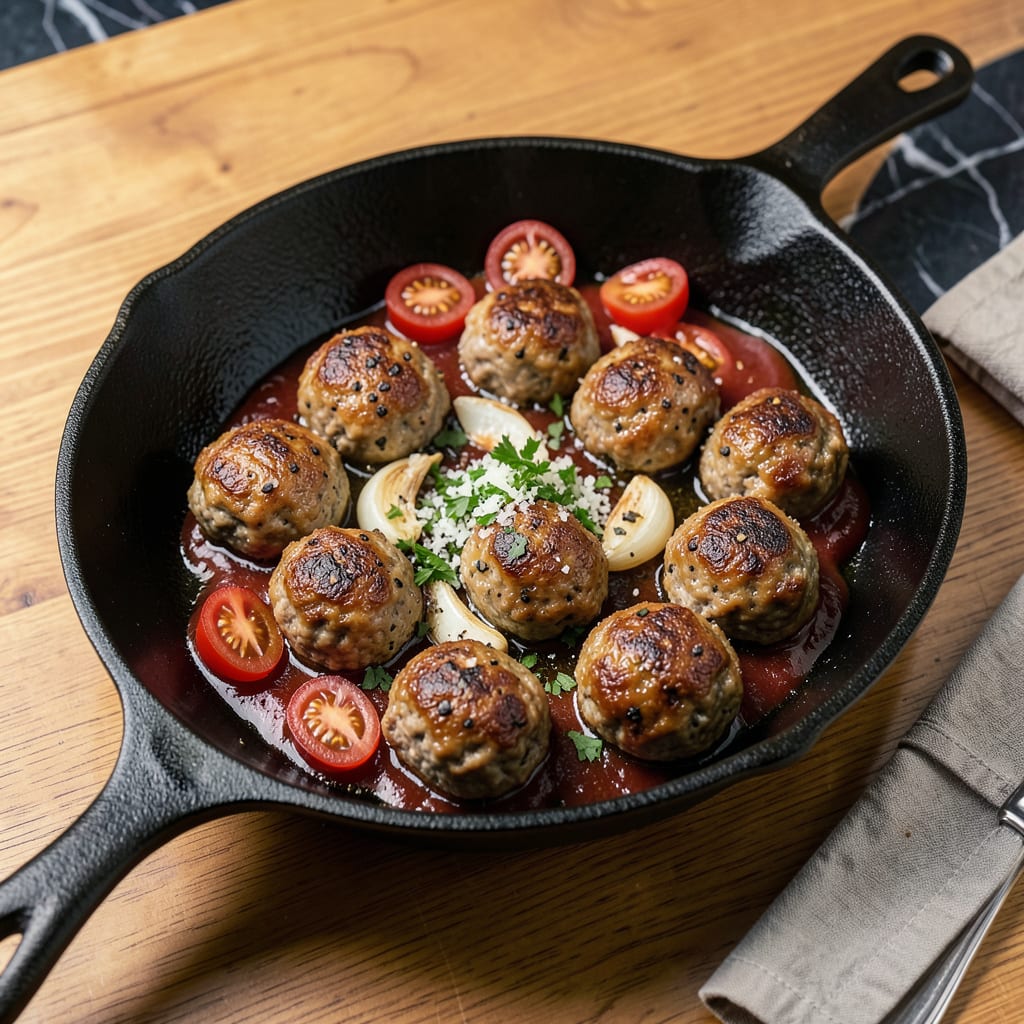
Nothing ruins good meatballs faster than reheating them wrong—dry, rubbery, or worse, flavorless. I’ve burned (literally) through more batches than I care to admit before cracking the code for juicy, tender results every time. The stove method is my go-to because it gives you control that microwaves and ovens just can’t match.
Here’s the thing—meatballs lose moisture when reheated, but a little liquid in the pan changes everything. I use just enough broth or sauce to create steam while keeping the heat medium-low. This gentle approach warms them through without turning your carefully made meatballs into sad little hockey pucks.
The payoff is meatballs that taste almost as good as fresh—tender inside, lightly caramelized outside, with all their original flavor intact. Whether you’re dealing with leftovers or meal prepping, this method works for any size batch. No special equipment needed, just a skillet and about 10 minutes of patience.
Fair warning: once you try this, you’ll never nuke meatballs again. The difference is that dramatic. Let’s walk through exactly how to make it happen—with zero guesswork and maximum flavor.
📚 In This Guide
- What You’ll Need
- Instructions
- Tips and Common Mistakes
What Youll Need
- ● Meatballs: Leftover cooked meatballs (any quantity, but 1–2 cups is ideal for even reheating).
- ● Liquid (required): ¼–½ cup of broth (chicken, beef, or veggie), water, or marinara sauce to prevent drying.
- ○ Cooking oil or butter (optional): 1–2 tsp for added richness (olive oil, avocado oil, or unsalted butter work best).
- ● Skillet or frying pan: Medium-sized (10–12 inches), non-stick or stainless steel with a lid.
- ● Spatula or wooden spoon: For gentle stirring—avoid metal utensils on non-stick pans.
- ● Stove: Gas, electric, or induction—just ensure medium-low heat control.
- ○ Lid or aluminum foil (optional): Helps trap steam for juicier results.
- ○ Meat thermometer (optional but recommended): To check internal temp reaches 165°F (74°C).
- ○ Fresh herbs or spices (optional): A pinch of oregano, basil, or red pepper flakes for extra flavor.
Step-by-Step Instructions for Reheating Meatballs on Stove
Here’s my foolproof method for bringing your meatballs back to life with perfect texture and flavor.
Choose the Right Pan and Heat Level
Select a heavy-bottomed skillet or sauté pan that’s large enough to accommodate your meatballs in a single layer without crowding. I prefer cast iron or stainless steel for even heat distribution. Place the pan over medium-low heat – this gentle heat prevents the outsides from drying out before the centers warm through.
Add just enough liquid to create steam but not so much that you’re boiling the meatballs. I typically use 2-3 tablespoons of water, broth, or marinara sauce per 12 meatballs. The liquid should barely cover the bottom of the pan – you’re creating a steam environment, not a soup.
Arrange Meatballs for Even Heating
Place the meatballs in the pan in a single layer, leaving about ½ inch of space between each one. This spacing allows the heat to circulate evenly around each meatball. If you’re working with a large batch, reheat them in batches rather than crowding the pan.
Cover the pan with a tight-fitting lid immediately after adding the meatballs. This traps the steam and creates a moist environment that prevents the meatballs from drying out. I’ve found that maintaining this sealed environment for the first 3-4 minutes makes all the difference in preserving juiciness.
Monitor and Adjust Heat Carefully
Let the meatballs heat for 5-6 minutes with the lid on. You’ll know they’re ready to check when you hear a gentle sizzling sound and see steam escaping from under the lid. At this point, remove the lid and give the pan a gentle shake to roll the meatballs to a new position.
Check the internal temperature with an instant-read thermometer – you’re aiming for 165°F in the center. If they’re not quite there yet, recover and continue heating for another 2-3 minutes. Watch for visual cues too: properly reheated meatballs will glisten slightly and feel firm but springy to the touch.
Finish with Flavor Enhancement
Once the meatballs reach temperature, remove the lid and increase the heat to medium. Let any excess liquid reduce for 1-2 minutes until it becomes slightly syrupy. This creates a light glaze that will coat the meatballs and intensify their flavor.
For an extra boost, I like to add a pat of butter or a drizzle of olive oil at this stage and swirl it around the pan. This adds richness and helps create a beautiful sheen on the meatballs. Toss them gently in the pan to coat evenly before transferring to a serving dish.
Rest Briefly Before Serving
Transfer the reheated meatballs to a warm serving dish and let them rest for 2-3 minutes before serving. This brief rest allows the juices to redistribute throughout the meatballs, ensuring that first bite is as juicy as the last.
Serve immediately while still warm. The meatballs should be uniformly heated through with moist, tender interiors and just a slight resistance when bitten into. If you’ve used sauce in the reheating process, spoon some of the warmed sauce over the top just before serving for maximum flavor impact.
Tips and Common Mistakes
Let me share the nuances I’ve learned from years of reheating meatballs—these small details prevent the most common mistakes.
Heat Control: The medium-low heat in Step 1 isn’t just a suggestion—it’s the difference between juicy meatballs and dry ones. Too high and the outsides will toughen before the centers warm through. I’ve ruined batches by rushing this, so trust the process. That gentle heat creates a steam environment that mimics how they were originally cooked, preserving moisture.
Liquid Ratio: When adding the 2-3 tablespoons of liquid per 12 meatballs in Step 1, err on the side of less rather than more. You want just enough to create steam, not submerge them. Too much liquid dilutes flavors and can make meatballs soggy. I use broth for extra flavor, but water works perfectly if that’s what you have.
The Lid Technique: Those first 3-4 minutes with the lid on in Step 2 are critical. This trapped steam is what prevents drying. I learned this the hard way after reheating meatballs uncovered—they emerged tough and rubbery. The lid creates a mini steam oven that gently warms them through without overcooking the exterior.
Temperature Verification: Don’t skip checking for 165°F in Step 3. Meatballs can look done on the outside while still being cold inside. I use the visual cues mentioned—glistening surface and springy texture—as my first check, but the thermometer is the only way to be certain. This is especially important if you’re reheating larger meatballs that take longer to warm through.
Pro Tips for Reheat Meatballs On Stove
- Let me share the nuances I’ve learned from years of reheating meatballs—these small details prevent the most common m…
- Heat Control: The medium-low heat in Step 1 isn’t just a suggestion—it’s the difference between juicy meatballs and d…
- Liquid Ratio: When adding the 2-3 tablespoons of liquid per 12 meatballs in Step 1, err on the side of less rather th…
Frequently Asked Questions
Can I reheat meatballs directly from frozen on the stove?
Yes, but thaw them first for best results! Place frozen meatballs in a covered pan with 2-3 tablespoons of water or broth. Heat on low-medium for 10-12 minutes, stirring occasionally, until the internal temp hits 165°F. Avoid high heat—it dries them out. For speed, thaw in the fridge overnight first.
How long do reheated meatballs last in the fridge?
Reheated meatballs stay safe for 3-4 days in an airtight container. Store them separately from sauce to prevent sogginess. Label with the date—when in doubt, toss it out! For longer storage, freeze for up to 3 months (reheat from thawed for best texture).
What’s the best liquid to use for reheating meatballs?
Broth (chicken, beef, or veggie) adds flavor, while water works in a pinch. For extra richness, try a splash of marinara, tomato sauce, or even cream for Swedish-style meatballs. Avoid oil—it can make them greasy. Use just enough liquid to create steam (2-3 tbsp for 12 meatballs).
Why did my meatballs turn rubbery after reheating?
Overheating or insufficient moisture is the usual culprit. Reheat on medium-low and cover the pan to trap steam. If they’re already dry, simmer in sauce for 5-10 minutes to rehydrate. Lean meat (like turkey) dries out faster—add a pat of butter or olive oil to the pan for insurance.
Can I reheat meatballs in an air fryer instead?
Air fry at 350°F for 3-5 minutes, shaking halfway. Spritz with oil for crispiness. It’s faster than the stove but lacks moisture—drizzle with sauce afterward or toss in a bit of broth before reheating. Great for breaded or fried meatballs!
Reheating meatballs on the stove is the easiest way to keep them juicy, tender, and packed with flavor—no soggy microwaves or dry ovens required! 🍝 With just a skillet, a splash of liquid, and a little patience, you can transform leftovers into a meal that tastes freshly made. Next time you’re craving those delicious meatballs, skip the guesswork and use these simple steps for perfect results every time.
Ready to put your new skills to the test? Grab those leftovers and get cooking—your taste buds will thank you! 😉

Trained in classic French technique but raised on slow-cooked ribs and spicy rubs, she blends culinary skill with smoke and soul.
- Recipe for Boneless Pork Chops in Cast Iron Skillet: Sear and Baste to Juicy Perfection - October 3, 2026
- Recipe for Boneless Cross Rib Roast: Slow-Roasted Beef with Herb Crust - October 3, 2026
- Hamburgers in Sauce Recipe Crock Pot: Slow-Cooked Savory Delight - October 3, 2026