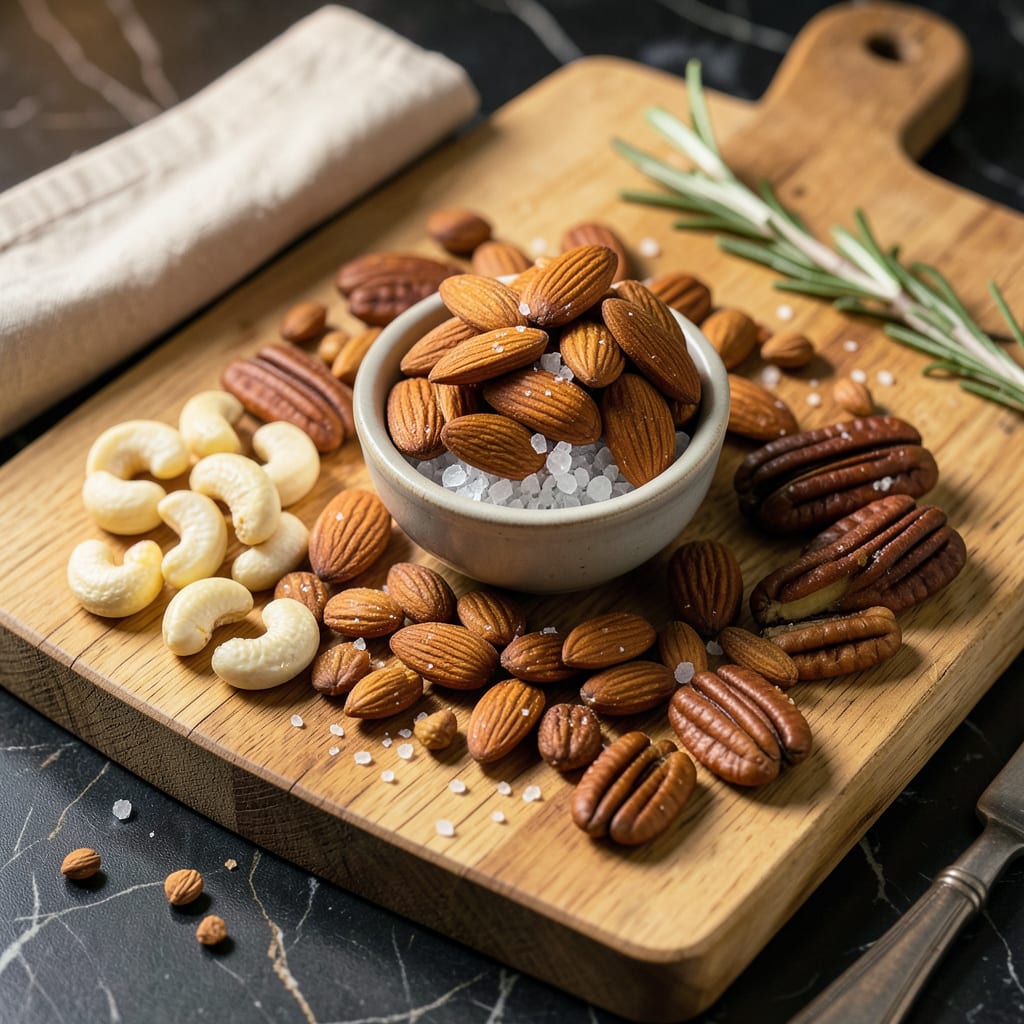
I’ll be real with you—properly salted nuts are a game-changer, and most people mess it up by either oversalting or missing the perfect window to season. There’s a science to making nuts that are evenly coated, perfectly crisp, and packed with flavor without being overwhelming. After burning through more batches than I’d like to admit (and nearly setting off my smoke alarm with over-toasted almonds), I’ve cracked the code for foolproof results every time.
The secret lies in timing and technique. Warm nuts absorb salt better, so whether you’re using the oven, stovetop, or air fryer, hitting that sweet spot between toasted and cooled is crucial. I use a simple ratio—1 teaspoon salt per 2 cups of nuts—that works for everything from peanuts to pecans. And here’s the thing: a quick toss with a tiny bit of oil before salting makes all the difference in getting that even coating that sticks.
What you end up with is a snack that’s addictively crunchy, perfectly seasoned, and versatile enough to use in recipes or eat by the handful. The nuts stay crisp for weeks when stored properly, and the basic technique opens up endless variations—think spicy cayenne, sweet cinnamon sugar, or even savory rosemary-parmesan for a gourmet touch.
Between you and me, once you master this method, you’ll never buy pre-salted nuts again. They’re cheaper to make, taste fresher, and you control exactly how much salt goes on. Let’s get those nuts perfectly seasoned!
📚 In This Guide
- What You’ll Need
- Instructions
- Tips and Common Mistakes
What Youll Need
- ● Raw nuts – 2–4 cups (almonds, cashews, peanuts, walnuts, or pecans work best! 🌰)
- ● Water – 1 cup (for soaking, if desired)
- ● Salt – 1–2 tbsp (fine sea salt or kosher salt for even coating)
- ● Mixing bowl – Medium or large (stainless steel or glass preferred)
- ● Baking sheet – Rimmed, for even roasting
- ○ Parchment paper – 1 sheet (optional but prevents sticking)
- ● Oven or stovetop pan – For dry-roasting (325°F/163°C recommended)
- ● Mixing spoon or spatula – Heat-resistant (silicone works great!)
- ○ Optional flavor boosts – ½ tsp spices (cinnamon, cayenne, or smoked paprika) or 1 tbsp honey/maple syrup for sweetness
- ● Air-tight container – For storage (keeps nuts fresh for up to 2 weeks!)
Step-by-Step Instructions for Salting Nuts
Here’s the simple method I use to transform plain nuts into perfectly seasoned, addictive snacks.
Choose and Prepare Your Nuts
Start by selecting your favorite raw or roasted nuts. I prefer working with almonds, cashews, or pecans for their texture and flavor, but any nut will work beautifully. If using raw nuts, you’ll want to roast them first to enhance their natural oils and crunch.
For raw nuts, spread them in a single layer on a baking sheet. This ensures even roasting and prevents any steam buildup that could make them soggy. If your nuts are already roasted, skip this step and move straight to seasoning. The key here is working with warm nuts—they absorb salt and seasonings much better than cold ones.
Warm the Nuts for Optimal Seasoning
Preheat your oven to 350°F if roasting raw nuts. Arrange them on a rimmed baking sheet in a single layer, making sure they don’t overlap. Roast for 8-12 minutes, stirring halfway through, until they’re fragrant and lightly golden.
If you’re working with pre-roasted nuts, warm them in a dry skillet over medium heat for 3-5 minutes, stirring constantly. You’ll hear them start to sizzle slightly—that’s your cue they’re ready. The warmth opens up the nuts’ natural oils, creating the perfect surface for salt to adhere to.
Apply the Salt Evenly
While the nuts are still warm, transfer them to a large bowl. Immediately sprinkle with your chosen salt—I recommend starting with ½ teaspoon of fine sea salt per cup of nuts. The warmth helps the salt crystals dissolve slightly and distribute more evenly across the surface.
Toss the nuts gently but thoroughly for 1-2 minutes until every piece is coated. I like to use a wooden spoon for this—it’s gentle enough to prevent breaking while ensuring complete coverage. Taste a nut and add more salt if needed, but remember flavors intensify as they cool.
Cool Completely Before Serving
Spread the salted nuts back onto the baking sheet in a single layer. Let them cool completely at room temperature for 20-30 minutes. This cooling period allows the salt to fully absorb and the nuts to regain their maximum crunch.
You’ll notice the flavor develops more as they cool—the salt penetrates deeper and the natural nut flavors become more pronounced. Don’t be tempted to sample too early; the texture and flavor are completely different once fully cooled. Store in an airtight container for up to 2 weeks.
Experiment with Flavor Variations
Once you’ve mastered basic salted nuts, try adding other seasonings while they’re still warm. I love tossing them with smoked paprika and brown sugar for a sweet-smoky flavor, or garlic powder and cayenne for a spicy kick.
For herb-infused nuts, add dried herbs like rosemary or thyme along with the salt. The warmth helps release the herbs’ essential oils, creating a more aromatic experience. Remember to start with small amounts—you can always add more, but you can’t take it away once applied.
Tips and Common Mistakes
Mastering perfectly salted nuts is all about timing and technique. Here’s what I’ve learned from years of testing batches in my own kitchen.
The Temperature Factor: When roasting raw nuts at 350°F, watch them closely during those 8-12 minutes. I set my timer for 8 minutes, then check every 2 minutes after that. The moment you smell that nutty aroma and see light golden color, they’re done. Over-roasting at this temperature can make them bitter rather than buttery.
Seasoning Secret: In Step 3, when you’re tossing the warm nuts with salt for 1-2 minutes, here’s what nobody tells you—the salt absorbs better if you sprinkle it gradually rather than all at once. I add it in two batches, tossing thoroughly between each addition. This creates more even coverage and prevents salt pockets.
Cooling Matters: Don’t rush the 20-30 minute cooling period in Step 4. I learned this the hard way after serving warm nuts that tasted overly salty. As they cool, the salt crystals redistribute and the flavor mellows beautifully. The texture also transforms from soft to perfectly crisp.
Equipment Tip: For warming pre-roasted nuts in Step 2, use a heavy-bottomed skillet over medium heat. The even heat distribution prevents hot spots that can burn some nuts while others remain cold. I prefer stainless steel for this—it responds quickly when I adjust the heat.
Pro Tips for Salt Nuts
- Mastering perfectly salted nuts is all about timing and technique. Here’s what I’ve learned from years of testing bat…
- The Temperature Factor: When roasting raw nuts at 350°F, watch them closely during those 8-12 minutes. I set my timer…
- Seasoning Secret: In Step 3, when you’re tossing the warm nuts with salt for 1-2 minutes, here’s what nobody tells yo…
Frequently Asked Questions
How long does it take to salt nuts properly?
For roasted nuts, salting takes just 5–10 minutes in the oven at 350°F (175°C). Toss them with salt before roasting for even flavor. For raw nuts, let them sit in salt for 1–2 hours to absorb the seasoning—stir occasionally for best results!
Can I use alternatives to table salt for flavoring?
Try kosher salt (less intense), sea salt (adds texture), or flavored salts (smoked, garlic, or chili). For a twist, mix in spices like cinnamon or cayenne after roasting. Pro tip: Avoid iodized salt—it can taste bitter when heated. Uneven salt? You likely didn’t toss them well before roasting or used too little salt (start with ½ tsp per cup of nuts). For blandness, add salt while nuts are warm—it sticks better! If over-salted, balance with a drizzle of honey or oil. Only if you’re brining (soaking in saltwater) for deep flavor. For dry-salting or roasting, skip rinsing—it washes away flavor and makes nuts soggy. Pat brined nuts completely dry before roasting to crisp them up! Cool nuts fully before storing in an airtight container at room temp for up to 2 weeks. For longer shelf life, refrigerate (1 month) or freeze (3 months). Avoid plastic bags—they trap moisture and make nuts stale.Why do my salted nuts taste bland or uneven?
Do I need to rinse nuts after salting?
How do I store salted nuts to keep them fresh?
Salting nuts at home is simpler than you think—just a little patience and the right technique turn plain nuts into a bold, flavorful snack you’ll crave! 🌟 Whether you prefer a light sprinkle or a gourmet spiced blend, the key is even coating and proper drying. Now that you’ve mastered the basics, why not experiment with flavors? Try adding cinnamon, cayenne, or even honey for a sweet-and-salty twist. Grab your favorite nuts, get creative, and enjoy your homemade (and way tastier) alternative to store-bought! 🥜✨

Trained in classic French technique but raised on slow-cooked ribs and spicy rubs, she blends culinary skill with smoke and soul.
- Recipe for Boneless Pork Chops in Cast Iron Skillet: Sear and Baste to Juicy Perfection - October 3, 2026
- Recipe for Boneless Cross Rib Roast: Slow-Roasted Beef with Herb Crust - October 3, 2026
- Hamburgers in Sauce Recipe Crock Pot: Slow-Cooked Savory Delight - October 3, 2026