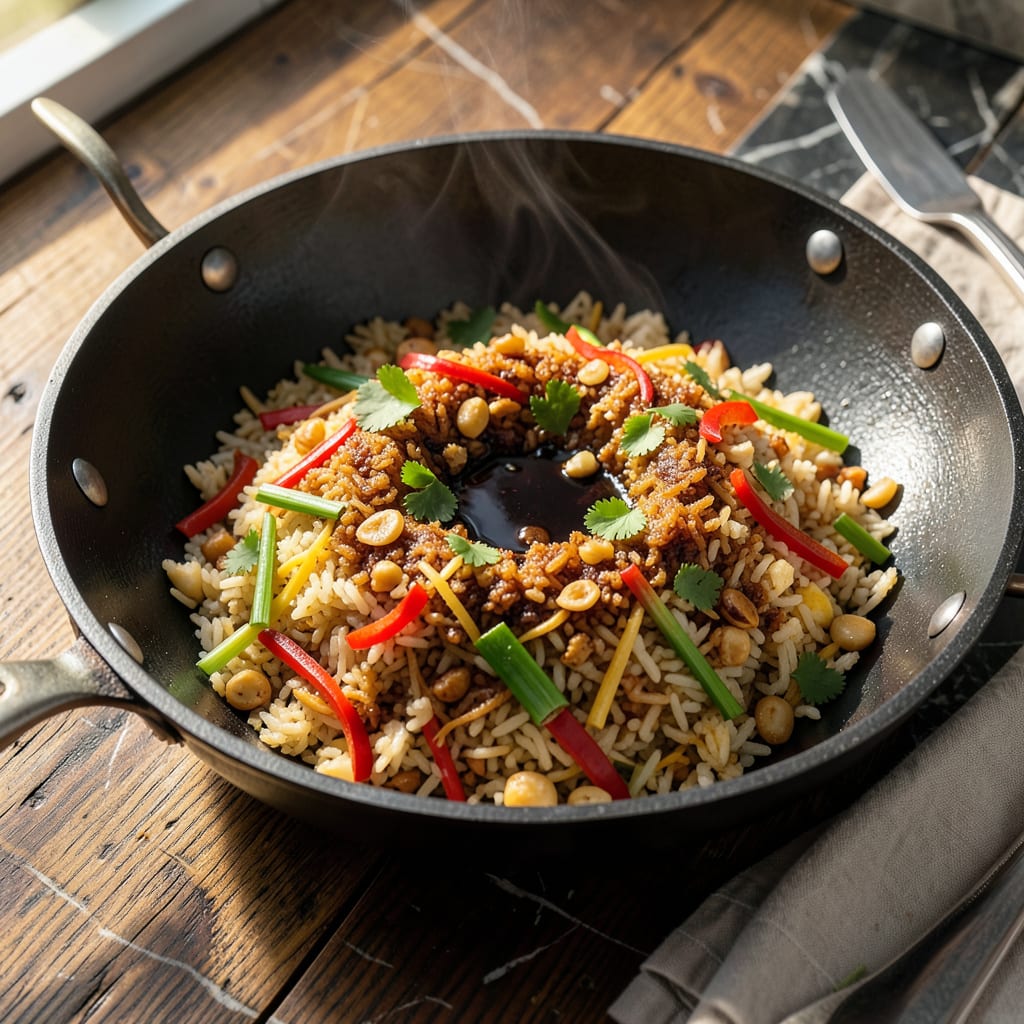
Let me tell you, sautéed rice changed my weeknight dinner game forever. That first sizzle when raw grains hit hot oil? Pure magic. I used to think rice was just a boring side until I discovered how toasting it first unlocks nutty flavors and that coveted golden crispiness. No more mushy, forgettable rice on my table.
Here’s the thing—great sautéed rice starts with dry grains and patience. I always use day-old rice (or rinse fresh rice well) to prevent steam from ruining that perfect crisp. The real secret? Letting the rice toast in oil until it smells like popcorn before adding liquid. That extra step makes all the difference between good and perfect.
What you end up with is rice that’s crispy in spots, fluffy throughout, and packed with flavor. Each grain stays separate but carries that delicious toasted aroma. I’ve served this alongside everything from grilled chicken to stir-fried veggies—it elevates any meal from basic to restaurant-worthy.
Fair warning: once you try this method, you’ll never go back to plain steamed rice. The texture alone is worth the extra five minutes. And the best part? You probably have everything you need in your pantry right now.
📚 In This Guide
- What You’ll Need
- Instructions
- Tips and Common Mistakes
What Youll Need
- ● Cooked rice – 2–3 cups of day-old or chilled rice (jasmine, basmati, or long-grain white rice work best 🌾). Freshly cooked rice is too moist!
- ● Neutral oil – 1–2 tbsp (vegetable, canola, or peanut oil for high-heat cooking 🔥). Avoid olive oil—it burns easily.
- ● Aromatics – 2 cloves garlic (minced), 1 small onion (diced), or 1 tbsp ginger (grated) for flavor.
- ○ Protein (optional) – ½ cup diced chicken, shrimp, tofu, or scrambled eggs for extra heartiness.
- ○ Veggies (optional) – ½ cup diced carrots, peas, bell peppers, or corn for color and crunch.
- ● Seasonings – 1–2 tbsp soy sauce (or tamari for gluten-free), ½ tsp salt, and ¼ tsp black pepper. Add a dash of sesame oil for depth!
- ● Large skillet or wok (10–12 inches, non-stick or well-seasoned cast iron).
- ● Wooden spoon or spatula for stirring without scratching.
- ● Measuring cups/spoons for precise seasoning.
- ● Cutting board + sharp knife for prepping aromatics.
- ● Paper towels to pat-dry rice if it’s too damp.
Instructions
Here’s the foolproof method for achieving perfectly sautéed rice with ideal texture and flavor every time.
Choose and Prepare Your Rice
Start with day-old cooked rice that’s been refrigerated overnight—this is absolutely critical for success. Freshly cooked rice contains too much moisture and will steam rather than sauté, resulting in mushy grains instead of that perfect crispy texture we’re after.
Break up any clumps with your fingers or a fork before starting. You want individual grains that will toast evenly in the pan. I like to spread the rice on a baking sheet for 10 minutes before cooking to remove any excess surface moisture.
Heat Your Pan to the Perfect Temperature
Place a large, heavy-bottomed skillet (cast iron works beautifully) over medium-high heat and let it get properly hot. Add 2 tablespoons of neutral oil and swirl to coat the entire surface. The oil should shimmer but not smoke—this is your visual cue that the pan is ready.
Here’s the thing—too low heat and your rice will absorb the oil; too high and it’ll burn before developing that gorgeous golden color. When you add the rice, you should hear an immediate sizzle. If you don’t, wait another 30 seconds for the pan to heat up more.
Sauté the Rice with Constant Motion
Add the prepared rice to the hot pan, spreading it out in an even layer. Let it cook undisturbed for 1-2 minutes until you hear the grains start to crackle and pop. This is the sound of moisture evaporating and the starches beginning to toast!
Now begin stirring constantly with a wooden spoon or spatula, breaking up any remaining clumps. You’ll notice the rice gradually changing from white to pale gold. Keep moving it around the pan for 5-7 minutes total until most grains have developed a light golden color and crisp texture.
Real talk: This step requires your full attention. Don’t walk away—rice can go from perfectly toasted to burnt in under a minute. The constant motion ensures even cooking and prevents sticking while building that incredible nutty flavor.
Add Aromatics and Finish
Once your rice has reached that perfect golden hue, push it to one side of the pan and add any aromatics like garlic, ginger, or vegetables to the cleared space. Cook for 30-60 seconds until fragrant—just long enough to soften slightly without burning.
Mix everything together thoroughly, then cook for another 1-2 minutes to allow the flavors to meld. Taste and adjust seasoning with salt and pepper. The rice should have a satisfying crispness on the outside while maintaining a tender center—this contrast is what makes sautéed rice so irresistible!
Rest Briefly Before Serving
Transfer the sautéed rice to a serving dish and let it rest for 2-3 minutes before digging in. This brief pause allows the grains to relax slightly while still maintaining their crisp texture. The residual heat will also help distribute any added seasonings evenly throughout.
Serve immediately while still hot and crispy. You’ll know you’ve nailed it when each bite offers that perfect balance of toasty crunch and fluffy interior. The grains should separate easily but hold their shape, with a beautiful golden color throughout—not pale, not dark brown, but that perfect in-between that says “cooked just right.”
Tips and Common Mistakes
Mastering sautéed rice is all about perfect timing and technique—here’s what I’ve learned from years of perfecting this dish.
The Rice Prep Secret: That 10 minutes of spreading rice on a baking sheet in Step 1 is non-negotiable! This brief drying period removes just enough surface moisture so your rice toasts instead of steams. I’ve tested this—skipping it means you’ll spend twice as long in the pan trying to achieve the same crispiness, and you still won’t get that perfect golden color throughout.
Heat Control Mastery: When you’re working at medium-high heat in Step 2, here’s what nobody tells you—the oil’s shimmer point is your best friend. If you add rice and don’t hear that immediate sizzle, be patient! Those extra 30 seconds of heating make all the difference between perfectly toasted grains and sad, oily rice. Cast iron retains heat beautifully, but if you’re using stainless steel, you might need to adjust the heat slightly lower after the initial sear to prevent hot spots.
The Stirring Technique That Changes Everything: During those critical 5-7 minutes in Step 3, use a folding motion rather than just stirring in circles. Imagine you’re gently turning the rice over on itself, bringing the bottom layer to the top. This ensures every single grain gets equal time against the hot pan surface. And trust me on this—the crackling sound you hear isn’t just moisture escaping; it’s the starches caramelizing, which is where that incredible nutty flavor develops!
Finishing Touch Wisdom: That 2-3 minutes of resting time in Step 5 isn’t just about letting the rice cool—it’s when the flavors truly meld. The residual heat continues to gently crisp any softer grains while the seasonings distribute evenly. I like to cover the dish loosely with foil during this time to trap just enough steam to soften any overly crispy bits without losing that perfect texture we worked so hard to create.
Pro Tips for Saute Rice
- Mastering sautéed rice is all about perfect timing and technique—here’s what I’ve learned from years of perfecting th…
- The Rice Prep Secret: That 10 minutes of spreading rice on a baking sheet in Step 1 is non-negotiable! This brief dry…
- Heat Control Mastery: When you’re working at medium-high heat in Step 2, here’s what nobody tells you—the oil’s shimm…
Frequently Asked Questions
Can I sauté rice directly from the fridge or freezer?
For best results, use day-old, chilled rice (1–2 days old) straight from the fridge—it’s drier and fries better! If using frozen rice, thaw it in the fridge overnight first. Sautéing soggy or warm rice leads to clumpy, mushy results. Spread fresh-cooked rice on a tray to cool quickly if you’re in a hurry.
How long should I sauté rice for crispy texture?
Sauté over medium-high heat ( 375–400°F) for 5–7 minutes, stirring occasionally. For extra crispiness, press the rice into the pan with a spatula and let it sear undisturbed for 1–2 minutes. Overcrowding the pan steams the rice—work in batches if needed! Neutral oils like vegetable, canola, or peanut oil (1–2 tbsp per cup of rice) work best—they handle high heat without burning. For flavor, try sesame oil (½ tsp mixed in at the end). Avoid butter (burns easily) or olive oil (low smoke point). Sticky rice usually means it was too moist or fresh. Fix it by: Can I sauté rice without a wok or nonstick pan? Yes! Use a stainless steel or cast-iron skillet—just preheat it well (2–3 minutes) and add enough oil to prevent sticking. Avoid aluminum pans (hot spots burn rice). For extra insurance, deglaze with 1 tbsp broth if rice sticks, then crisp it up again.What’s the best oil for sautéing rice, and how much should I use?
My sautéed rice is sticky—how do I fix it?
Mastering how to sauté rice is all about patience, heat control, and a little creativity—now you’ve got the tools to turn leftover rice into a crispy, flavorful side every time! 🎉 Whether you’re whipping up fried rice, a simple garlic stir-fry, or experimenting with bold spices, the key is keeping your pan hot and your ingredients prepped.
Ready to level up? Try pairing your sautéed rice with a quick protein (like scrambled eggs or grilled chicken) or dive into a new recipe—maybe Thai pineapple fried rice or Spanish-style arroz frito? The possibilities are endless, so grab that spatula and get cooking! 🍚✨

Trained in classic French technique but raised on slow-cooked ribs and spicy rubs, she blends culinary skill with smoke and soul.
- Recipe for Boneless Pork Chops in Cast Iron Skillet: Sear and Baste to Juicy Perfection - October 3, 2026
- Recipe for Boneless Cross Rib Roast: Slow-Roasted Beef with Herb Crust - October 3, 2026
- Hamburgers in Sauce Recipe Crock Pot: Slow-Cooked Savory Delight - October 3, 2026