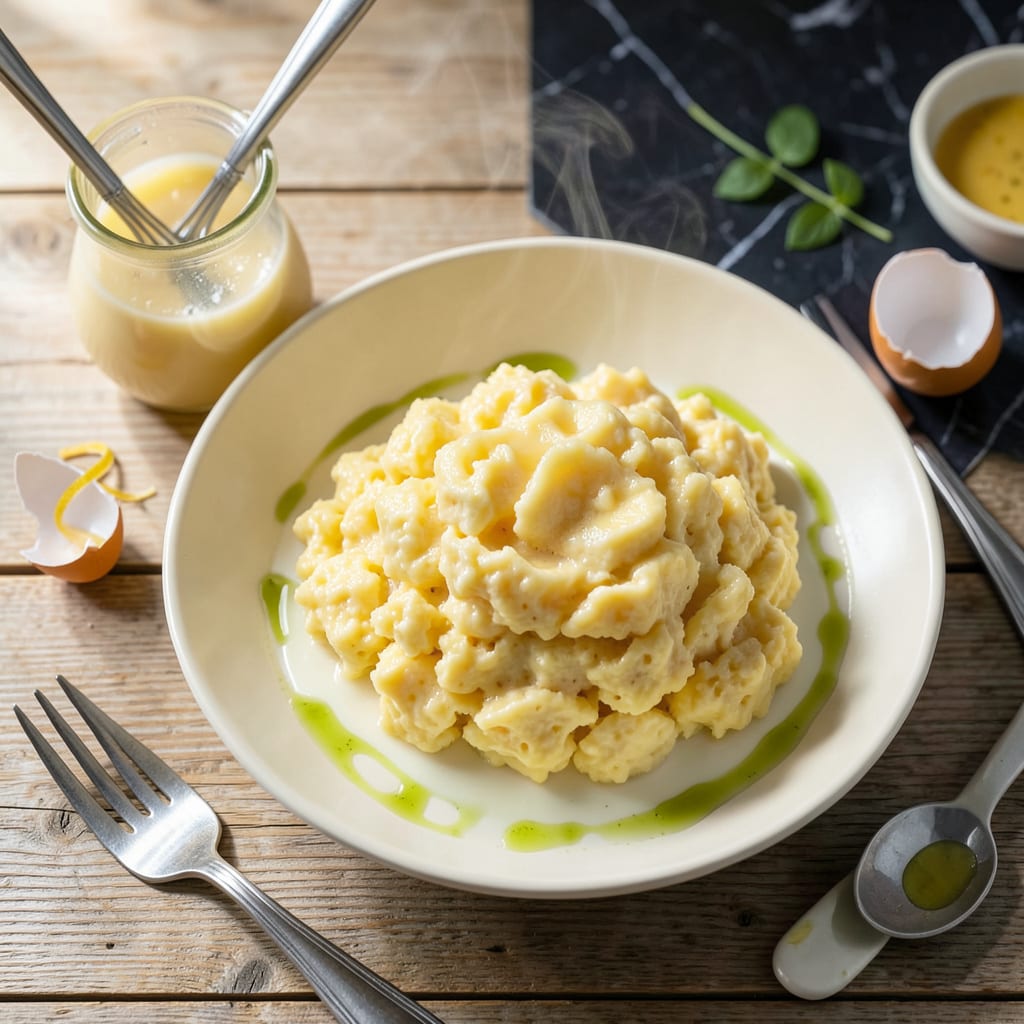
Eggs are one of the most versatile ingredients in your kitchen—but when you’re running low or feeding a crowd, stretching them becomes an art. I’ve spent years perfecting ways to make a few eggs feed many, and the secret lies in smart pairings and simple techniques that don’t sacrifice flavor.
Whether you’re whipping up scrambled eggs with diced potatoes (1 egg to ½ cup spuds works perfectly) or folding extra veggies into an omelet, these methods transform limited eggs into hearty meals. The key is using ingredients that add bulk without overpowering—think cheese, breadcrumbs, or even leftover rice to create satisfying dishes.
What I love most about these techniques is how they turn budget-friendly staples into restaurant-worthy meals. A quiche stretched with extra milk and vegetables tastes just as rich as the original, while fried rice with scrambled eggs and day-old rice becomes a complete meal. Every bite proves you don’t need a dozen eggs to feed your family.
From breakfast to dinner, these methods will change how you cook with eggs. No more last-minute grocery runs or skimpy portions—just clever ways to make what you have go further. Let’s get started!
📚 In This Guide
- What You’ll Need
- Instructions
- Tips and Common Mistakes
What Youll Need
- ● Eggs – 6 to 12 large eggs (fresh or close to their “use-by” date work best).
- ● Mixing bowls – 2 medium-sized bowls (one for whisking, one for prepped ingredients).
- ● Whisk or fork – For fluffy scrambles or even blends.
- ● Non-stick skillet – 8-10 inches (a well-seasoned cast-iron works too!).
- ● Spatula – Silicone or heat-resistant for easy flipping.
- ● Knife & cutting board – A sharp chef’s knife for chopping add-ins.
- ● Measuring cups/spoons – For precise ingredient ratios (especially for baking).
- ● Storage containers – Airtight glass or BPA-free plastic (for leftovers).
- ● Milk or water – 1-2 tbsp per egg (for fluffier dishes).
- ● Cheese – ½ cup shredded (cheddar, feta, or parmesan add richness).
- ● Veggies – 1 cup diced (bell peppers, spinach, or onions boost volume).
- ● Herbs/spices – Salt, pepper, paprika, or fresh herbs for flavor.
- ● Bread or tortillas – For wraps, sandwiches, or eggy bread dishes.
- ● Blender – For ultra-smooth quiches or custards.
Instructions for Stretching Eggs Further
Here’s how to make every egg count—simple techniques that maximize volume and flavor.
Master the Art of Fluffy Scrambled Eggs with Liquid
Start by cracking your eggs into a bowl and adding 1 tablespoon of milk or water per egg. The liquid creates steam during cooking, which makes the eggs puff up and appear more voluminous. Whisk vigorously until the mixture is completely homogeneous—this incorporates air that will expand during cooking.
Heat a nonstick skillet over medium-low heat and add a small amount of butter or oil. Pour in the egg mixture and let it sit undisturbed for 10 seconds until you see the edges begin to set. Then gently push the cooked portions toward the center with a silicone spatula, allowing the uncooked egg to flow to the edges. Repeat this process until the eggs are softly set but still slightly glossy. The key is constant gentle movement—this creates small, tender curds instead of dense clumps.
Transform Eggs into a Hearty Vegetable Frittata
For a frittata that serves four with just four eggs, start by sautéing 2 cups of chopped vegetables (like bell peppers, onions, and spinach) in a 10-inch oven-safe skillet until softened. The vegetables add bulk and nutrition without requiring additional eggs. While they cook, whisk your eggs with ¼ cup of milk and season generously with salt and pepper.
Pour the egg mixture over the cooked vegetables and stir gently to distribute. Cook on the stovetop over medium heat for 5-7 minutes until the edges are set but the center is still slightly runny. Then transfer the skillet to a 375°F oven and bake for 10-12 minutes until the top is golden brown and the center is just set. Let it rest for 5 minutes before slicing—this allows the frittata to firm up for cleaner portions.
Create Creamy Egg Drop Soup with Simple Additions
Bring 4 cups of chicken or vegetable broth to a gentle simmer in a saucepan. In a small bowl, whisk together your eggs with 1 tablespoon of cornstarch—this creates a thicker, more substantial soup. The cornstarch also helps the egg ribbons hold their shape better in the hot liquid.
Once the broth is simmering, slowly drizzle the egg mixture into the broth in a thin, steady stream while gently stirring the broth in a circular motion. This creates delicate egg ribbons throughout the soup. After all the egg is added, let the soup simmer for 1 additional minute—just until the eggs are set but still tender. Stir in 1 teaspoon of sesame oil and garnish with sliced green onions. The aromatic additions make the soup feel more substantial and satisfying with minimal additional ingredients.
Make Egg-Focused Fried Rice with Smart Ratios
Begin by cooking 2 cups of day-old rice in a large skillet or wok with 1 tablespoon of oil over medium-high heat. Break up any clumps with your spatula and let the rice toast for 2-3 minutes until it’s slightly dried out. This prevents the eggs from making the dish soggy.
Push the rice to one side of the pan and add a bit more oil to the empty space. Pour in your beaten eggs and scramble them quickly until just set but still moist. Then immediately mix them into the rice along with 1 cup of frozen peas and carrots and 2 tablespoons of soy sauce. The vegetables add volume and color, while the soy sauce enhances the egg flavor. Cook for another 2-3 minutes until everything is heated through. The eggs should be distributed evenly throughout the rice, with each bite containing both rice and egg.
Bake a Savory Egg and Bread Casserole
Cut 4 cups of stale bread into 1-inch cubes and place them in a greased 8×8-inch baking dish. The bread absorbs the egg mixture, creating a dish that serves four with just four eggs. In a separate bowl, whisk your eggs with 1½ cups of milk, ½ teaspoon of mustard powder, and ¼ teaspoon of garlic powder.
Pour the egg mixture evenly over the bread, pressing down gently to ensure all pieces are submerged. Let it soak for 15 minutes at room temperature, then bake in a 350°F oven for 35-40 minutes until the top is golden brown and the center is set. The casserole should be puffed and firm to the touch. Let it rest for 5 minutes before serving—this prevents it from falling apart when sliced. Each portion will be substantial thanks to the bread’s absorption of the egg mixture.
Tips and Common Mistakes
These practical insights will help you maximize every egg while avoiding common pitfalls in each preparation method.
Heat Control: In Step 1, that initial 10 seconds of undisturbed cooking at medium-low heat is crucial for creating the base of your fluffy curds. Resist the urge to stir immediately—this brief pause allows the bottom layer to set properly before you start gently pushing the eggs. If your heat is too high, the eggs will cook too quickly and become rubbery rather than tender.
Vegetable Prep Tip: For the frittata in Step 2, make sure to sauté your 2 cups of chopped vegetables until they’re completely softened before adding the eggs. Raw vegetables release moisture during baking, which can make your frittata watery. I’ve found that onions and bell peppers need about 5 minutes of sautéing, while spinach wilts in just 1-2 minutes—add leafy greens last to prevent overcooking.
Broth Temperature: When making the egg drop soup in Step 3, the broth should be at a gentle simmer—not a rolling boil—when you add the egg mixture. A vigorous boil will break your delicate egg ribbons into tiny pieces rather than creating those beautiful, wispy strands. The 1 additional minute of simmering after adding the eggs is just enough to set them without overcooking.
Resting Matters: Both the frittata and casserole require that 5 minutes of resting time after baking, and it’s not optional. This brief pause allows the proteins to set completely, preventing the dishes from falling apart when sliced. I learned this the hard way after serving a crumbling frittata—now I set a timer to remind myself to wait those crucial minutes.
Pro Tips for Stretch Eggs
- These practical insights will help you maximize every egg while avoiding common pitfalls in each preparation method.
- Heat Control: In Step 1, that initial 10 seconds of undisturbed cooking at medium-low heat is crucial for creating th…
- Vegetable Prep Tip: For the frittata in Step 2, make sure to sauté your 2 cups of chopped vegetables until they’re co…
Frequently Asked Questions
Got questions about stretching your eggs? You’re not alone! Here are the most common queries—with quick, practical answers to help you make the most of every egg.
Can I stretch eggs that are already hard-boiled?
Chop or mash hard-boiled eggs into egg salad, mix with mayo and mustard, or add to fried rice, pasta, or potato salad. They also work great as a protein topper for avocado toast or grain bowls. Store peeled eggs in water in the fridge for up to 5 days to keep them fresh.
How long do stretched egg dishes last in the fridge?
Most egg-based dishes stay safe for 3–4 days in the fridge. Casseroles, quiches, and frittatas last slightly longer (up to 5 days), while scrambled eggs or egg fried rice are best eaten within 2–3 days. Always store in airtight containers and reheat to 165°F (74°C) for safety.
What’s the best egg substitute if I’m running low?
For binding (like in baked goods), try ¼ cup unsweetened applesauce, mashed banana, or yogurt per egg. For scrambles, tofu (crumbled with turmeric for color) or chickpea flour “omelets” work well. Flax or chia “eggs” (1 tbsp ground seed + 3 tbsp water) are great for vegan baking!
Why does my stretched egg dish turn out watery?
Watery eggs usually mean overcooking or excess liquid. For scrambles, cook on low heat and avoid over-stirring. If adding veggies (like spinach or tomatoes), sauté them first to remove moisture. For custards or quiches, strain the egg mixture before baking to eliminate extra liquid.
Can I freeze eggs to stretch them later?
Yes, but not in the shell! Crack eggs into a bowl, whisk gently, and freeze in ice cube trays (each cube = ~1 egg). Thaw in the fridge overnight before using. Frozen eggs work best for scrambles, baking, or casseroles—not for fried or poached eggs (texture changes). Use within 3 months for best quality.
Stretching your eggs doesn’t have to mean sacrificing flavor or nutrition—just a little creativity! 🌟 From fluffy egg fried rice to protein-packed veggie scrambles, these tricks help you make the most of every carton while keeping meals delicious and budget-friendly. Whether you’re feeding a crowd or just cutting grocery costs, small tweaks like adding fillers or repurposing leftovers can go a long way.
Ready to put these ideas to work? Pick one or two methods to try this week—your wallet (and taste buds) will thank you! For even more kitchen hacks, check out our guide on meal prepping with pantry staples next. Happy cooking! 🍳

Trained in classic French technique but raised on slow-cooked ribs and spicy rubs, she blends culinary skill with smoke and soul.
- Recipe for Boneless Pork Chops in Cast Iron Skillet: Sear and Baste to Juicy Perfection - October 3, 2026
- Recipe for Boneless Cross Rib Roast: Slow-Roasted Beef with Herb Crust - October 3, 2026
- Hamburgers in Sauce Recipe Crock Pot: Slow-Cooked Savory Delight - October 3, 2026