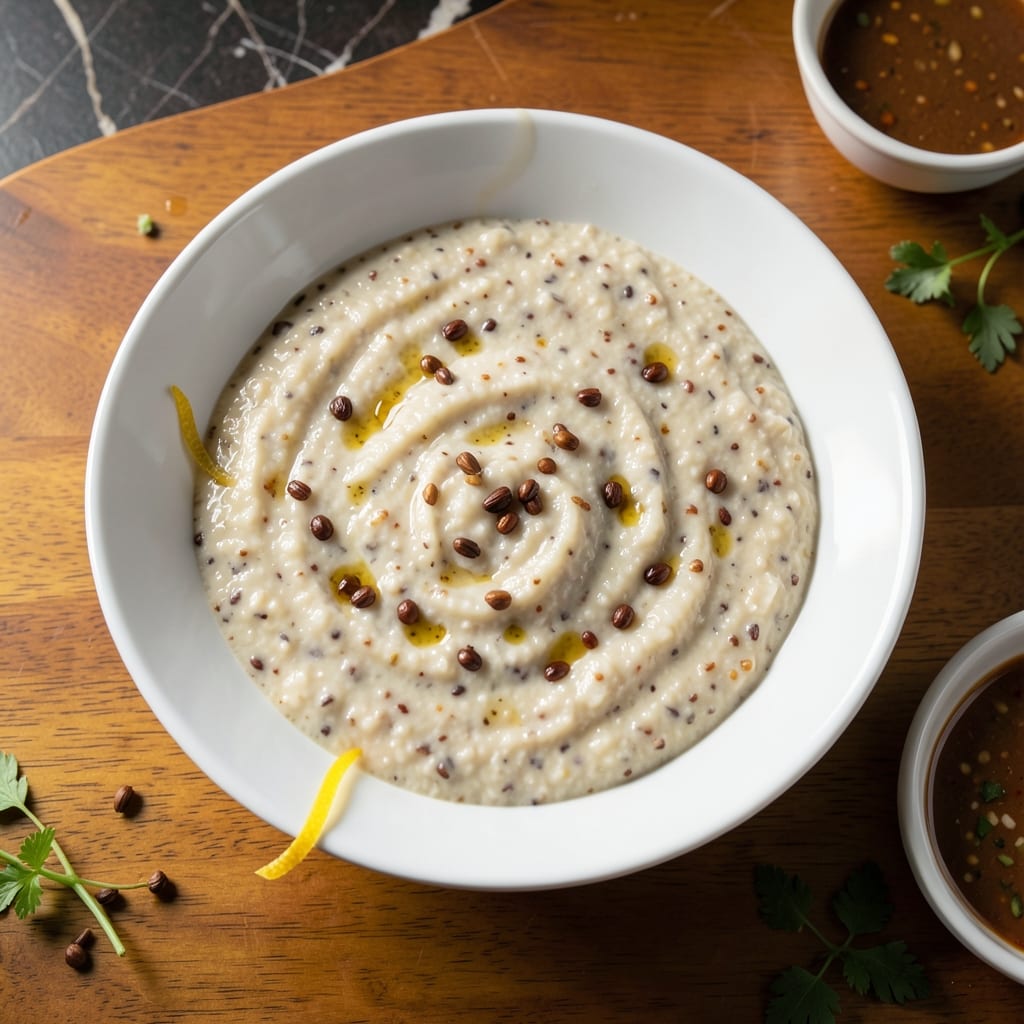
Traditional idli batter typically requires overnight fermentation, but this Instant Pot method delivers perfectly fluffy results in just a few hours. The pressure cooker creates an ideal warm environment that speeds up the natural fermentation process without compromising texture or taste.
I’ve refined this technique to maintain authenticity while adapting to modern kitchens. The batter develops that signature light, airy consistency that makes idlis so beloved, with none of the long waiting time of conventional methods.
The key lies in precise timing and temperature control. By using the yogurt setting, we replicate the slow, steady warmth of a traditional kitchen, ensuring the rice and urad dal ferment evenly and thoroughly.
You’ll achieve soft, pillowy idlis with that characteristic sour tang, ready to steam and serve with your favorite chutneys and sambar. This approach makes authentic South Indian flavors accessible any day of the week.
Ingredients for Idli Batter Recipe Instant Pot
Short list of pantry staples brings authentic South Indian flavors to life.
| Ingredient | Amount | Notes |
|---|---|---|
| Parboiled Rice 🌾 | 2 cups | Rinsed and soaked for 4 hours |
| Urad Dal 🫘 | ¾ cup | Split black gram, rinsed and soaked |
| Fenugreek Seeds 🌿 | ½ tsp | Soaked with urad dal |
| Salt 🧂 | 1 ½ tsp | Adjust to taste after fermentation |
| Water 💧 | 1 cup | For grinding batter as needed |
| Cooking Oil 🫒 | 1 tsp | For greasing idli molds |
| Yogurt 🥛 | ¼ cup | Plain, optional for tangier flavor |
| Chana Dal 🫘 | 2 tbsp | Optional for variation |
[recipe_ingredient_scaler]
The urad dal is the backbone here. Indian grocery stores carry it in bulk—look for split black gram, not whole. I grab mine from Patel Brothers or BAPS when stocking up. Parboiled rice (like Lundberg or Sella Basmati) gives the best texture. Fenugreek seeds are tiny but mighty—don’t skip them. Soak everything separately for even fermentation.
No urad dal? Split mung beans work in a pinch but texture differs. Short on time? Pre-soaked rice and dal from the freezer section can cut prep. The yogurt adds tang but isn’t mandatory—lemon juice at half the amount can substitute. For gluten-free, double-check your rice brand. The fenugreek is non-negotiable though—it kickstarts fermentation.
Batter keeps 2-3 days in the fridge (fermentation continues, so it gets tangier). Freeze in portions for up to 1 month. Always bring to room temp before steaming. Pro tip: use filtered water for soaking—chlorine can inhibit fermentation.
Why You’ll Love This Recipe
- Set and Forget: I toss everything in the Instant Pot, press a button, and walk away—no hovering, no stirring, just perfectly fermented batter.
- That Fermented Magic: The urad dal and fenugreek seeds give it that tangy, slightly nutty depth that makes idlis irresistibly fluffy.
- Breakfast for Days: One batch gives me soft idlis for a week—steam a few for breakfast, pack leftovers for lunch, or whip up dosas on demand.
- Pocket-Friendly Staple: Parboiled rice and urad dal are budget superstars, and this recipe stretches them further than I thought possible.
Step-by-Step Instructions for Idli Batter Instant Pot
Here’s how I achieve perfectly fermented, fluffy idli batter in a fraction of the traditional time.
Step 1: Soak the Rice and Lentils Properly
Begin by rinsing the 2 cups Parboiled Rice until the water runs clear, then soak it in fresh water for 4 hours. In a separate bowl, combine the 0.75 cup Urad Dal and 0.5 tsp Fenugreek Seeds, rinse thoroughly, and soak them together for the same duration.
The fenugreek seeds soaking with the urad dal enhances fermentation and adds a subtle depth of flavor. I use a large bowl to accommodate expansion—the lentils nearly double in size. Drain both components completely before grinding to prevent a watery batter.
Step 2: Grind Ingredients to the Right Consistency
First, grind the soaked urad dal with fenugreek seeds using just enough of the 1 cup Water to create a smooth, fluffy batter—about 3-4 tablespoons per batch. This should take 8-10 minutes in a high-speed blender, and the batter should be light enough to hold peaks when the spoon is lifted.
Next, grind the parboiled rice separately. Add the 2 tbsp Chana Dal if using for variation, and use the remaining water sparingly—you want a slightly coarse, gritty texture, not a smooth paste. The rice batter should be thicker than the urad dal batter. This contrast is key for the perfect idli texture.
Step 3: Mix and Ferment in the Instant Pot
Combine both batters in a large bowl. Add the 1.5 tsp Salt and the 0.25 cup Yogurt if you prefer a tangier flavor. Mix thoroughly with a whisk or your clean hands in a circular motion for 5 minutes to incorporate air, which aids fermentation.
Transfer the batter to the Instant Pot liner. Ensure it’s no more than half full to allow for expansion. Close the lid without the sealing ring—you want airflow. Set the Instant Pot to Yogurt mode for 8-10 hours. The batter should rise and develop a slightly sour aroma, indicating proper fermentation.
Step 4: Check Fermentation and Adjust
After 8 hours, check the batter. It should have increased in volume by about 50% and have a bubbly, frothy texture. The surface may look slightly domed, and tiny air pockets should be visible throughout. If it hasn’t fermented enough, let it sit for another 1-2 hours.
If the batter seems too thick, you can add a splash of water, but remember that the consistency should be like a thick pancake batter. The salt can be adjusted to taste at this stage if needed, though I usually wait until after steaming to finalize seasoning.
Step 5: Prepare for Steaming
Once fermented, give the batter a gentle stir. It should be light, airy, and slightly effervescent. Grease the idli molds with the 1 tsp Cooking Oil to prevent sticking. Pour the batter into the molds, filling each about ¾ full to allow for expansion during steaming.
Let the molds sit for 10 minutes before steaming—this resting period helps the idlis maintain their shape. The batter is now ready for the steamer, where it will transform into soft, fluffy idlis with a perfect, spongy texture.
Pro Tips For Making Idli Batter Recipe Instant Pot
- Soak Overnight: Give the urad dal and parboiled rice a good 6-8 hours in water—any less and the batter won’t ferment properly, even in the Instant Pot.
- Use Warm Water: I learned this the hard way—soaking in warm water (not hot) speeds up fermentation and makes the batter fluffier.
- Skip Overfilling: Resist the urge to fill the Instant Pot past the halfway mark; the batter expands and can spill over if it’s too full.
- Ferment Longer: After pressure cooking, let the batter sit in the pot for an extra 1-2 hours—it deepens the flavor and improves the texture.
Health Benefits of This Recipe
Gut Health Boost
This batter is naturally fermented, creating probiotics that support healthy gut bacteria. The urad dal and fenugreek seeds work together to develop beneficial microbes during the 8-10 hour fermentation process. I notice better digestion when I include fermented foods regularly. 💪
Plant-Based Protein
The combination of parboiled rice and urad dal provides complete plant protein with all essential amino acids. A single serving offers about 12-15 grams of protein, making this a satisfying vegetarian option. The fenugreek seeds add extra nutritional value.
Low Glycemic Index
Parboiled rice has a lower glycemic index than regular white rice, helping maintain steady blood sugar levels. The fermentation process further reduces the glycemic impact, making this dish suitable for those monitoring their blood sugar. I find it keeps me full for hours.
Rich in Fiber
Urad dal is an excellent source of dietary fiber, providing about 8-10 grams per serving. This aids digestion and supports heart health. The combination with rice creates a balanced fiber profile that’s easy on the stomach. 🌱
Vitamin B Complex
This batter is naturally rich in B vitamins, particularly thiamine, riboflavin, and niacin from the rice and lentils. These vitamins are essential for energy metabolism and nervous system function. Fermentation can even increase their bioavailability.
Mineral Powerhouse
The ingredients provide a good dose of iron, magnesium, and phosphorus. Urad dal is especially high in iron, while the rice contributes magnesium. The fenugreek seeds add calcium and other trace minerals, making this a nutritionally dense dish.
Nutrition Facts
Frequently Asked Questions
Can I use regular rice instead of parboiled?
Regular rice works but yields less fluffy results. Parboiled rice’s firmer texture holds up better during fermentation and steaming. If using regular, reduce soaking time to 2 hours to prevent mushiness.
Why does my batter smell sour after fermentation?
The slight sour aroma is normal—it indicates proper fermentation! This tangy flavor is traditional and enhances the final taste. If it smells overly strong, you may have fermented too long.
How do I know when the batter is fermented enough?
Look for a 50% volume increase with visible bubbles. The texture should be light and frothy. If it hasn’t risen after 8 hours, give it 1-2 more hours in the Instant Pot.
Can I make this without an Instant Pot?
Yes! Use an oven with the light on or a warm spot like on top of the fridge. Fermentation may take 12-16 hours instead of 8-10. Keep it in a draft-free area.

Trained in classic French technique but raised on slow-cooked ribs and spicy rubs, she blends culinary skill with smoke and soul.
- Recipe for Boneless Pork Chops in Cast Iron Skillet: Sear and Baste to Juicy Perfection - October 3, 2026
- Recipe for Boneless Cross Rib Roast: Slow-Roasted Beef with Herb Crust - October 3, 2026
- Hamburgers in Sauce Recipe Crock Pot: Slow-Cooked Savory Delight - October 3, 2026