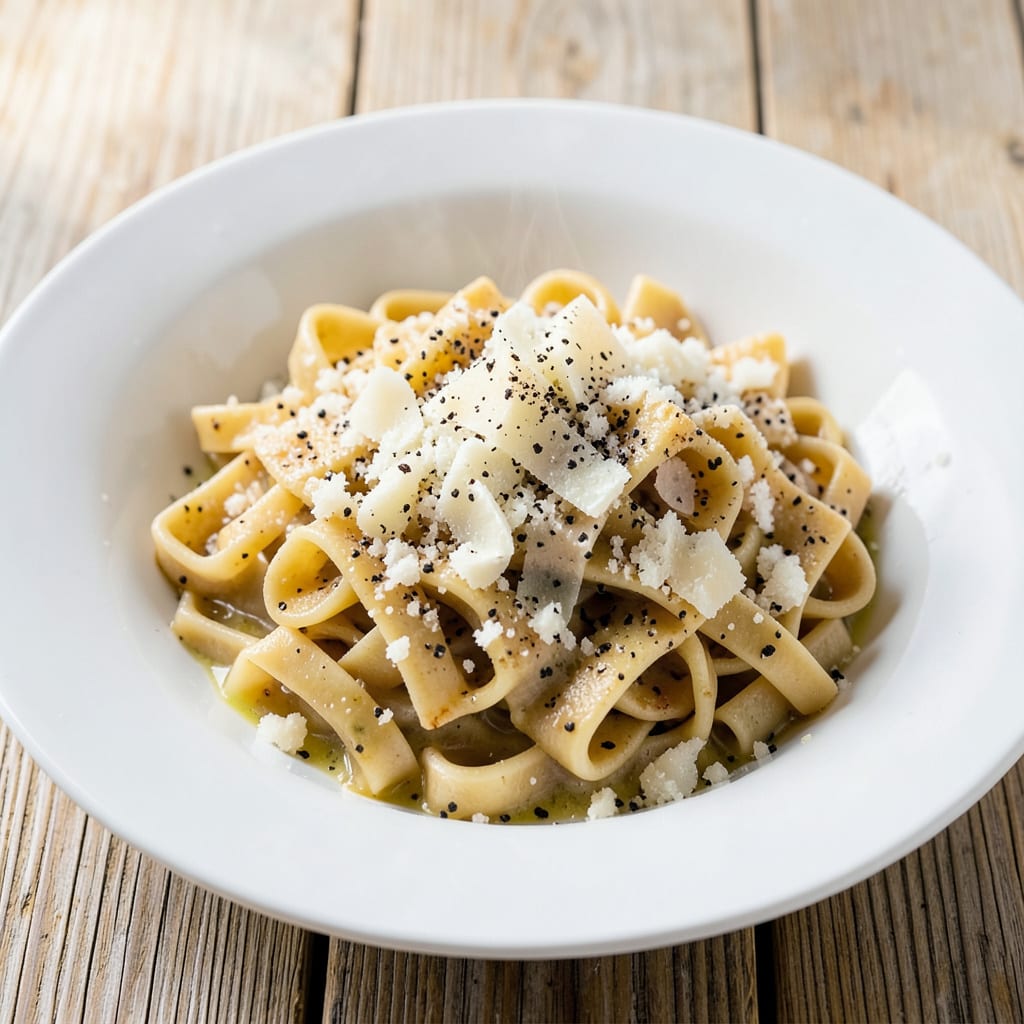
Traditional cacio e pepe isn’t spicy—it relies on sharp Pecorino Romano cheese and black pepper for bold, savory flavor. The pepper adds warmth but not heat, unless extra chili is added as a modern twist.
This Roman classic is all about harmony, where the pepper’s earthy notes play against the cheese’s salty punch. 🔥 I’ve found that authentic versions focus on technique—like achieving the perfect creamy emulsion—rather than spice. The dish’s magic lies in its simplicity, though some modern chefs might introduce chili flakes for a contemporary kick. What surprises many is how the pepper’s warmth develops as you eat, never crossing into true spiciness.
💡 In This Article
- Why Black Pepper Doesn’t Make Cacio e Pepe Spicy
- How to Adjust Cacio e Pepe’s Heat Level
Why Black Pepper Doesn’t Make Cacio e Pepe Spicy
The secret lies in black pepper’s primary compound, piperine, which activates warmth receptors differently than capsaicin (the compound in chili peppers). Piperine creates a gradual, tingling sensation rather than the sharp, burning heat of capsaicin. In cacio e pepe, the pepper is toasted lightly to release its aromatic oils without intensifying its pungency.
This process transforms the flavor profile from raw bitterness to a complex, earthy warmth.
What balances this warmth is the Pecorino Romano cheese, aged for 8-12 months and packed with umami-rich amino acids. The cheese’s salt content (about 3.5-4% sodium) acts as a natural counterpoint, reducing the perception of pepper’s intensity.
Traditional Roman recipes use a 1:1 ratio of pepper to cheese by volume, ensuring the pepper enhances rather than dominates. The starch from al dente pasta further softens the pepper’s edge, creating a velvety texture that carries the flavors gently.
Historically, this dish emerged as cucina povera—peasant food designed to stretch simple ingredients. Roman shepherds carried just cheese, pepper, and dried pasta during long migrations, relying on technique over complex seasoning. The pepper served as both flavor and preservation, its antimicrobial properties helping the cheese last longer.
Modern versions sometimes add a pinch of chili flakes (1/8 tsp per serving), but this is a contemporary twist, not traditional practice.
The cooking method matters too. When you toast the pepper in the pan before adding pasta water, you’re controlling its volatility. Heating pepper above 300°F would release harsh compounds, but cacio e pepe’s gentle heat (200-250°F) coaxes out only the warm, aromatic notes.
The final emulsion—created by vigorously stirring cheese and starchy water—encapsulates the pepper particles, distributing their flavor evenly without concentration in any single bite.
Here’s what most home cooks miss: the pepper’s perceived intensity depends on its grind size. Traditional Roman recipes call for medium-coarse grind (about 1-2mm particles), which dissolves slowly and releases flavor gradually. Fine-ground pepper, by contrast, can taste sharper and more aggressive because it disperses too quickly.
The dish’s creamy sauce acts as a buffer, preventing the pepper from ever feeling “spicy” in the conventional sense.
Compare this to dishes where pepper does read as spicy—like Sichuan peppercorn preparations, where the compound hydroxy-alpha sanshool creates a numbing heat. Black pepper in cacio e pepe never reaches that level because it’s balanced by fat (from cheese), salt, and starch.
The result is a dish that warms the palate like a sunlit Roman piazza—inviting and comforting, never fiery. ✨

Trained in classic French technique but raised on slow-cooked ribs and spicy rubs, she blends culinary skill with smoke and soul.
- Recipe for Boneless Pork Chops in Cast Iron Skillet: Sear and Baste to Juicy Perfection - October 3, 2026
- Recipe for Boneless Cross Rib Roast: Slow-Roasted Beef with Herb Crust - October 3, 2026
- Hamburgers in Sauce Recipe Crock Pot: Slow-Cooked Savory Delight - October 3, 2026