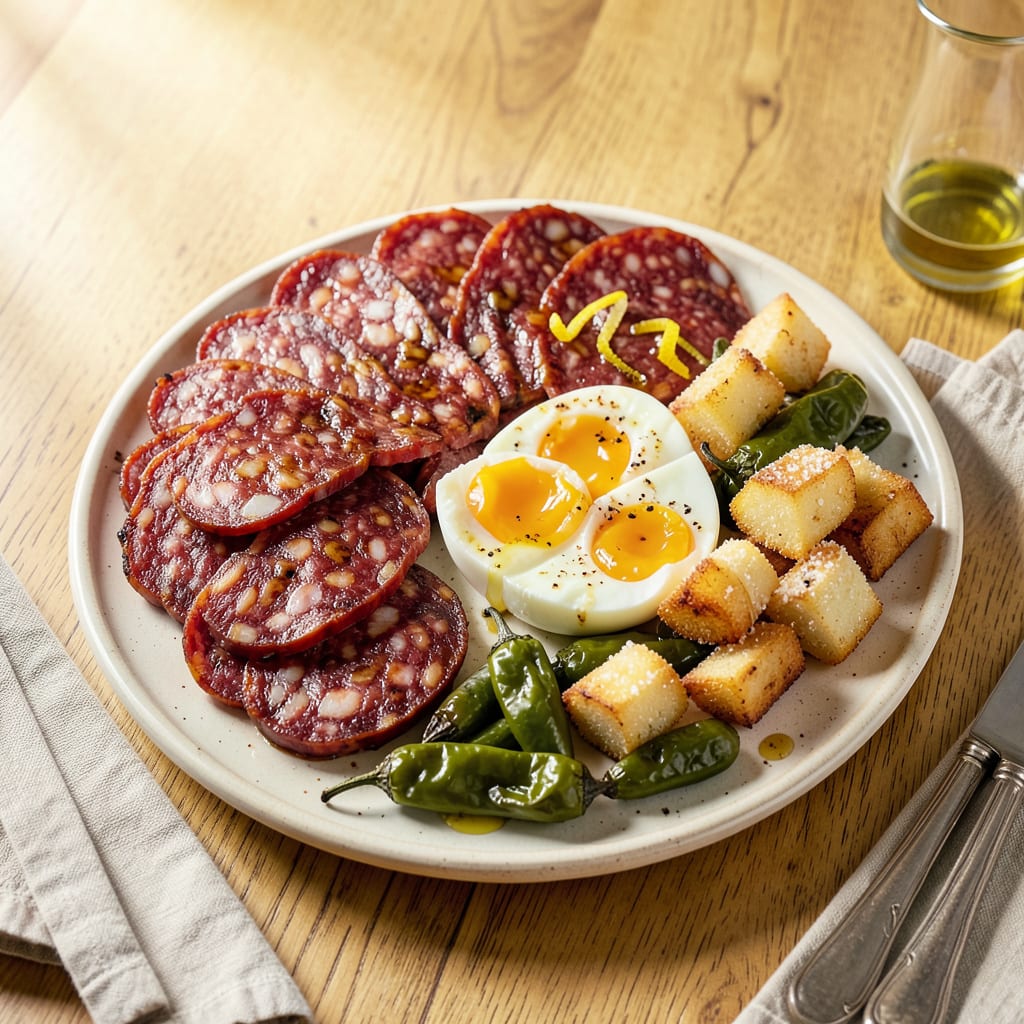
Chorizo provides a moderate amount of protein (about 15-20g per 100g), but its high fat and sodium content means it shouldn’t be your primary protein source. Opt for leaner meats or plant-based options for balanced nutrition.
As a pitmaster who’s worked with every cut imaginable, I’ll tell you chorizo brings more than just protein to the table—it’s packed with bold flavor that transforms dishes. 🔥 The catch is that its 40-50% fat content and 1,000+ mg of sodium per serving quickly outweigh the protein benefits if eaten daily. I use it strategically in small amounts to add depth to beans, soups, or breakfast scrambles, always pairing it with fiber-rich veggies to balance the meal’s nutritional profile.
What many don’t realize is that traditional Spanish chorizo (the cured, hard variety) actually contains less fat than Mexican-style chorizo, though both still fall short compared to skinless chicken breast or lentils in protein efficiency. ✨ The real magic happens when you treat chorizo as a seasoning agent rather than a main protein—its intense flavor means a little goes a long way.
💡 In This Article
- Chorizo Protein Content vs Other Meats: A Nutritional Breakdown
- Healthier Ways to Include Chorizo in a High-Protein Diet
Chorizo Protein Content vs Other Meats: A Nutritional Breakdown
When you compare chorizo to other protein sources, the numbers tell a revealing story. A 100g serving of pork chorizo delivers about 15-20g of protein, which sounds decent until you see the trade-offs: 45-50g of fat (mostly saturated) and 1,200-1,500mg of sodium. That’s nearly your entire daily sodium limit in one serving!
For comparison, the same amount of skinless chicken breast provides 31g of protein with just 3.6g of fat and 74mg of sodium. 🔥
The fat-to-protein ratio is where chorizo really struggles. While lean meats like turkey breast offer a 10:1 protein-to-fat ratio, chorizo flips that script with a 1:2 ratio—meaning you’re getting twice as much fat as protein. Even regular ground beef (80/20) performs better at 1:1.2.
The processing matters too: Mexican-style chorizo (raw) contains more moisture and slightly less protein per gram than Spanish chorizo (cured), which concentrates both protein and sodium through drying.
What most people don’t realize is how the protein quality suffers during processing. The high-fat content actually interferes with protein absorption in your digestive system. Your body has to work harder to separate the protein from all that fat, which means you’re not utilizing those 15-20g as efficiently as you would from leaner sources.
The curing process in Spanish chorizo also denatures some proteins, making them slightly less bioavailable than fresh meats.
Here’s where the sodium becomes a real issue: Excess sodium doesn’t just affect blood pressure—it triggers water retention that can mask actual protein utilization. Your body holds onto water to dilute the sodium, which can artificially inflate your weight and make it harder to track true muscle gains from protein intake.
I’ve seen clients hit protein goals on paper but struggle with bloating because their “protein sources” were actually sodium bombs like chorizo.
For perspective, you’d need to eat 150g of chorizo (a hefty portion) to match the protein in 100g of chicken breast, but you’d also consume 75g of fat and 1,800mg+ of sodium in the process.
That’s why I treat chorizo as a flavor enhancer rather than a protein staple—its nutritional cost is simply too high for daily consumption. ✨
The one advantage chorizo has is its zinc and iron content, which are higher than poultry due to the pork base. But you can get these minerals from healthier sources like lentils or lean beef without the sodium overload.
When I do use chorizo, I opt for turkey or chicken versions which cut the fat by 30-40% while keeping most of the protein—though the flavor isn’t quite as rich.
Bottom line: If you’re tracking macros, chorizo’s protein comes with too much baggage.
I’d rather see clients get their protein from sources where 80%+ of the calories come from protein itself (like egg whites or white fish) rather than ones where protein accounts for less than 20% of the calories—which is the case with most chorizo varieties. 💫

Trained in classic French technique but raised on slow-cooked ribs and spicy rubs, she blends culinary skill with smoke and soul.
- Recipe for Boneless Pork Chops in Cast Iron Skillet: Sear and Baste to Juicy Perfection - October 3, 2026
- Recipe for Boneless Cross Rib Roast: Slow-Roasted Beef with Herb Crust - October 3, 2026
- Hamburgers in Sauce Recipe Crock Pot: Slow-Cooked Savory Delight - October 3, 2026