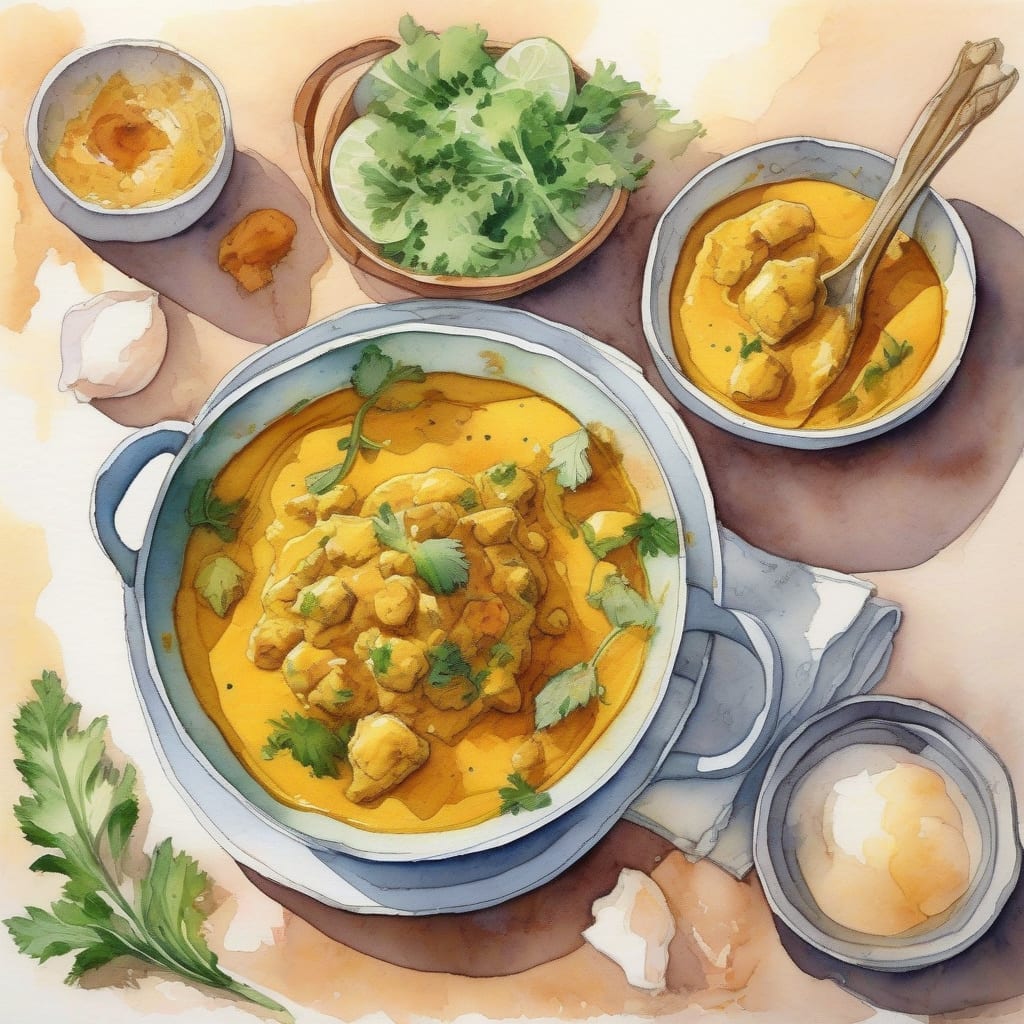
Curry can be acidic depending on ingredients like tomatoes or citrus, but many curry recipes balance acidity with coconut milk or yogurt, creating a complex flavor profile.
The acidity in curry is primarily influenced by ingredients like tomatoes and citrus, which can significantly lower the dish’s overall pH level. However, traditional curry recipes often incorporate elements like coconut milk or yogurt to counterbalance this acidity, resulting in a rich and harmonious flavor. The key to a well-balanced curry lies in understanding how these ingredients interact. 🔥
Understanding Curry’s Acidity Levels
The acidity in curry is primarily determined by its ingredients, particularly those that contain natural acids. Tomatoes and citrus are common culprits that can lower the dish’s overall pH level, making it more acidic. The acidity can vary significantly depending on the type of curry and its regional variations. 🔥
In traditional curry recipes, ingredients like coconut milk or yogurt play a crucial role in balancing the acidity. These dairy or non-dairy elements help neutralize the acidity, creating a rich and complex flavor profile. The interaction between these ingredients is what makes curry so versatile and adaptable to different tastes. For instance, Thai curries often use coconut milk to balance the spiciness and acidity, while Indian curries might rely on yogurt to achieve a similar effect. ✨
The pH level of curry can also be influenced by other ingredients such as vinegar or citrus juice. Some recipes may include a splash of vinegar or a squeeze of fresh citrus to enhance the flavors. However, it’s essential to strike a balance, as excessive acidity can overpower the dish. Understanding how these ingredients interact is key to creating a well-balanced curry. 🔍
Regional variations also play a significant role in determining the acidity levels in curry. For example, South Indian curries might be more acidic due to the use of tamarind or kokum, while some Southeast Asian curries might rely on citrus or vinegar. Recognizing these variations can help you adjust the acidity to your taste. 🌟

Trained in classic French technique but raised on slow-cooked ribs and spicy rubs, she blends culinary skill with smoke and soul.
- Recipe for Boneless Pork Chops in Cast Iron Skillet: Sear and Baste to Juicy Perfection - October 3, 2026
- Recipe for Boneless Cross Rib Roast: Slow-Roasted Beef with Herb Crust - October 3, 2026
- Hamburgers in Sauce Recipe Crock Pot: Slow-Cooked Savory Delight - October 3, 2026