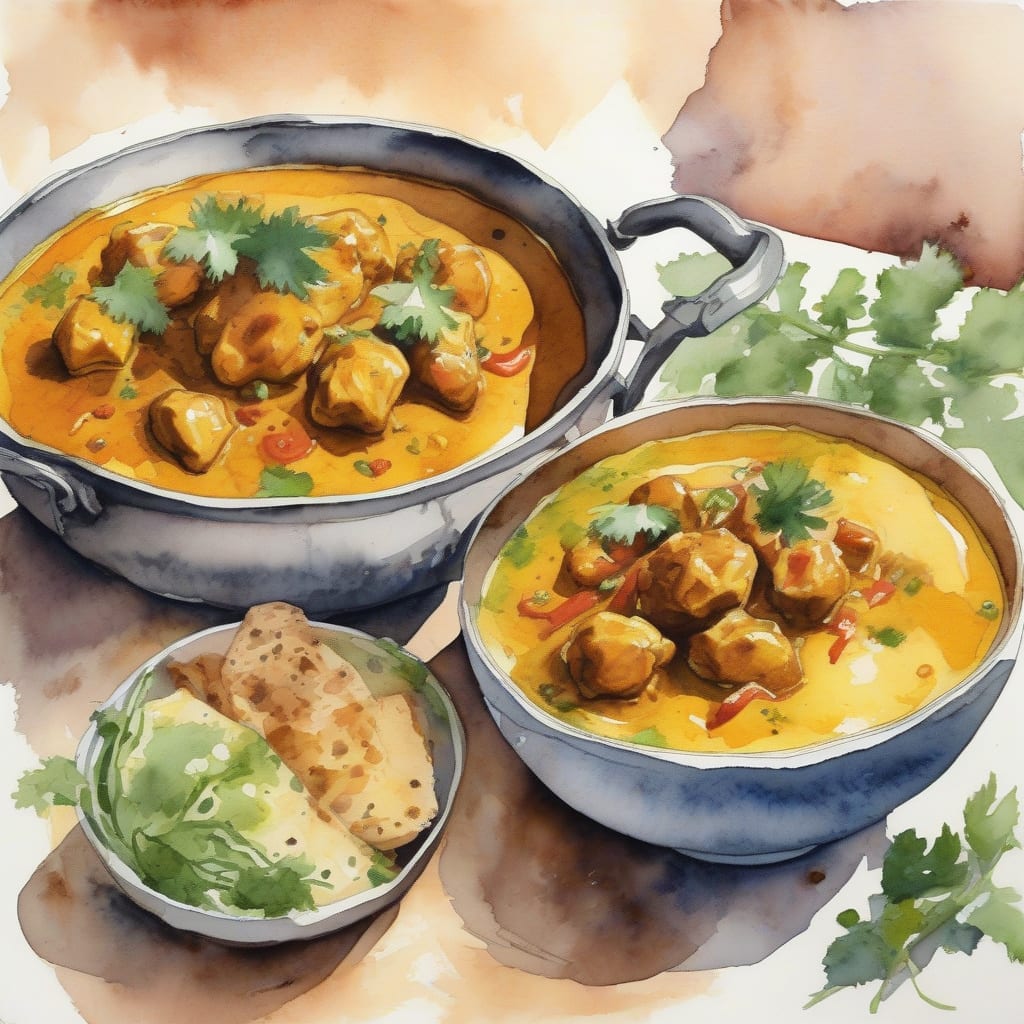
Curry is not typically considered Middle Eastern, as it originated in the Indian subcontinent, though Middle Eastern cuisine has adopted curry-like dishes and spice blends.
While curry isn’t traditionally Middle Eastern, its influence has spread across various cuisines. The rich spice blends used in curry have been incorporated into Middle Eastern cooking, particularly in dishes that require complex flavor profiles. For instance, some Persian and Turkish recipes use curry powder or similar spice mixtures to add depth to their meals. This blend of culinary traditions showcases the versatility of curry and its ability to adapt to different cultural tastes. The result is a unique fusion that enhances the flavor of various Middle Eastern dishes, making them more diverse and interesting. 🔥
Understanding Curry’s Cultural Origins
Curry’s history is deeply rooted in the Indian subcontinent, where it has been a staple for thousands of years. The word “curry” comes from the Tamil word “kari,” meaning “sauce” or “relish.” Indian cuisine has developed a complex system of curry preparation, using various spice blends tailored to specific regions and ingredients. The fundamental components typically include turmeric, cumin, coriander, and chili peppers, creating distinct flavor profiles that vary from south India’s coconut-based curries to north India’s dairy-rich preparations. 🌟
The spice blends used in curry have evolved through trade and cultural exchange. Indian traders introduced curry to Southeast Asia, where it merged with local ingredients like lemongrass, galangal, and fish sauce. This resulted in unique curry variations, such as Thai Massaman curry, which combines Indian spices with local flavors. The historical spice trade between India, Southeast Asia, and the Middle East laid the groundwork for the gradual adoption of curry-like elements in Middle Eastern cuisine, though the preparation methods and spice ratios differ significantly. 🔍
Traditional Middle Eastern spice blends, such as ras el hanout, share some similarities with curry powder but have distinct differences in composition. While both contain warming spices like cumin and coriander, ras el hanout typically includes ingredients like cardamom, rose petals, and cinnamon that aren’t standard in most curry powders. The difference in ingredient ratios and preparation methods creates unique flavor profiles that set Middle Eastern dishes apart from their Indian and Southeast Asian curry counterparts. 🌿
Understanding these cultural origins helps explain why curry isn’t typically considered Middle Eastern despite its influence on some regional dishes. The historical trade routes and cultural exchanges have created a fascinating blend of culinary traditions, resulting in diverse adaptations of curry across different regions. This cross-cultural influence continues to shape modern Middle Eastern cuisine, incorporating elements of curry while maintaining its distinct identity. 💫

Trained in classic French technique but raised on slow-cooked ribs and spicy rubs, she blends culinary skill with smoke and soul.
- Recipe for Boneless Pork Chops in Cast Iron Skillet: Sear and Baste to Juicy Perfection - October 3, 2026
- Recipe for Boneless Cross Rib Roast: Slow-Roasted Beef with Herb Crust - October 3, 2026
- Hamburgers in Sauce Recipe Crock Pot: Slow-Cooked Savory Delight - October 3, 2026