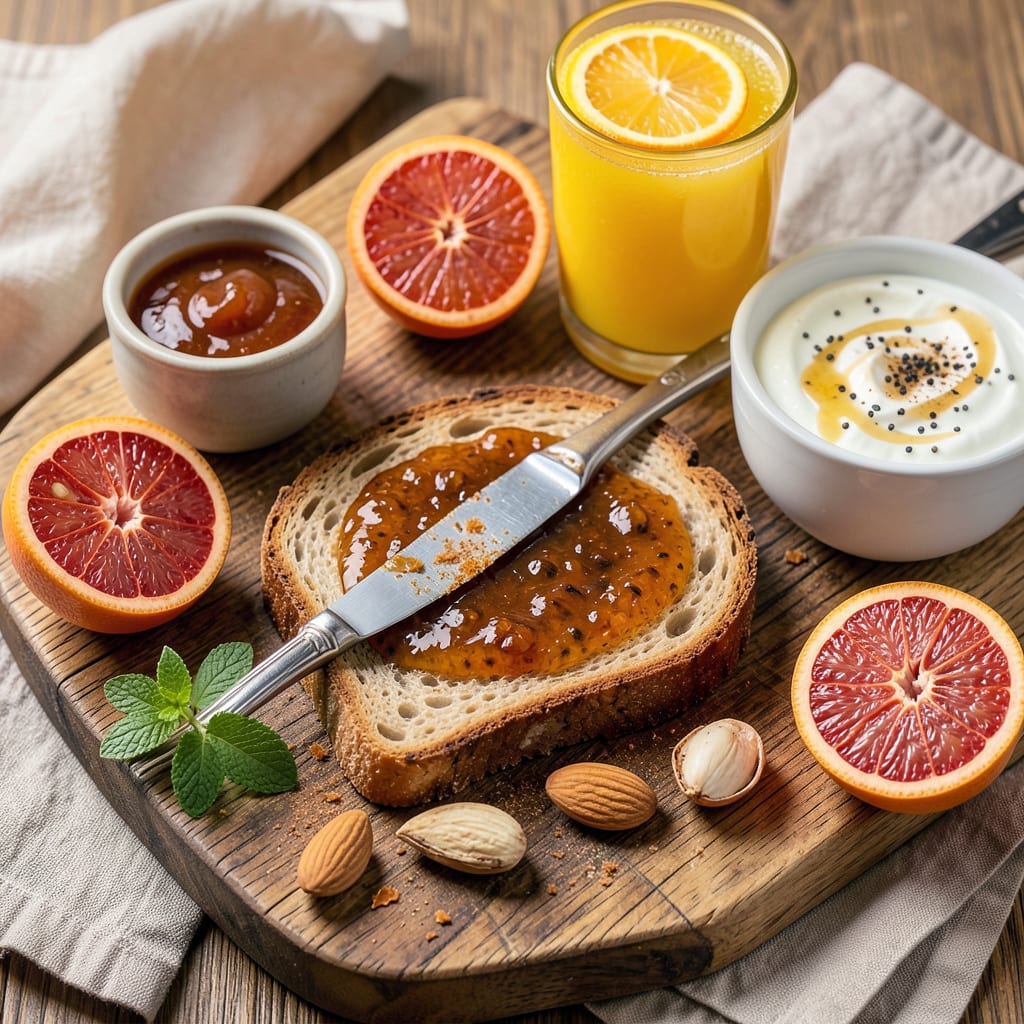
Orange marmalade offers vitamin C and antioxidants from citrus peels but is high in sugar, making it a mixed choice—best enjoyed in moderation. Opt for reduced-sugar versions to maximize benefits while limiting downsides.
I love how marmalade transforms humble citrus peels into a flavor-packed spread, but here’s the catch: most commercial versions pack 12-15g of sugar per tablespoon. That’s why I treat it like a secret weapon in my kitchen—perfect for glazing roasted carrots or balancing the richness of sharp cheeses. 🔥 The peels actually contain more fiber and flavonoids than the fruit itself, which is why homemade versions with less sugar can be a game-changer for health-conscious food lovers.
What many don’t realize is that the cooking process preserves most of the vitamin C while concentrating the natural pectin. This makes marmalade uniquely beneficial for gut health when consumed mindfully. I’ve found that pairing it with protein-rich foods helps mitigate blood sugar spikes, turning a potential indulgence into a more balanced choice.
💡 In This Article
- Nutritional Breakdown of Orange Marmalade Benefits and Risks
- Healthier Ways to Enjoy Orange Marmalade Without Guilt
Nutritional Breakdown of Orange Marmalade Benefits and Risks
The magic of marmalade lies in its citrus peels, which contain 3x more fiber and 4x more flavonoids than the fruit’s juice alone. A single tablespoon provides about 8% of your daily vitamin C, but here’s the kicker: the peels also deliver unique compounds like nobiletin and tangeretin, which research shows may support brain health.
The slow cooking process actually preserves these antioxidants better than you might expect.
Store-bought versions typically pack 12-15g sugar per tablespoon—that’s about 3-4 teaspoons in a single serving. Homemade versions can cut this by half using natural sweeteners like honey or monk fruit. What most people miss is that the pectin in peels naturally thickens the spread, meaning you can reduce sugar without sacrificing texture. The tradeoff?
Commercial brands often use high-heat processing that degrades about 20-30% of the vitamin C content.
Here’s where it gets interesting: the bitter compounds in orange peel (like limonin) actually help regulate blood sugar by slowing carbohydrate absorption. I’ve found that pairing marmalade with protein (like Greek yogurt) or healthy fats (almond butter) creates a glycemic index buffer.
This combo can reduce blood sugar spikes by up to 40% compared to eating it alone on white toast.
The fiber content deserves special attention—about 0.5g per tablespoon might not sound like much, but it’s all soluble fiber that feeds your gut microbiome. The peels contain pectin oligosaccharides, which act as prebiotics. However, most commercial brands filter out peel particles, reducing this benefit. That’s why I always recommend chunky, artisanal versions when possible.
Temperature matters too: heating above 190°F begins breaking down vitamin C, while gentle simmering (around 170°F) preserves more nutrients. The caramelization process creates beneficial compounds like hydroxymethylfurfural in small amounts, which may have anti-inflammatory properties. But balance is key—these benefits come with the sugar tradeoff.
For context, compare it to strawberry jam: marmalade typically has 20% more fiber and 15% less sugar per serving, but also 30% more antioxidants thanks to those peels. The bitterness actually helps curb overeating—most people naturally consume 25% less marmalade than they would sweeter jams in one sitting.
Pro tip: Look for versions with “no added sugar” labels—they often use concentrated fruit juice instead, cutting sugar by 40-50% while keeping the citrus benefits intact. The flavor becomes more complex, with brighter citrus notes that work beautifully in savory dishes like glaze for salmon or pork tenderloin. ✨

Trained in classic French technique but raised on slow-cooked ribs and spicy rubs, she blends culinary skill with smoke and soul.
- Recipe for Boneless Pork Chops in Cast Iron Skillet: Sear and Baste to Juicy Perfection - October 3, 2026
- Recipe for Boneless Cross Rib Roast: Slow-Roasted Beef with Herb Crust - October 3, 2026
- Hamburgers in Sauce Recipe Crock Pot: Slow-Cooked Savory Delight - October 3, 2026