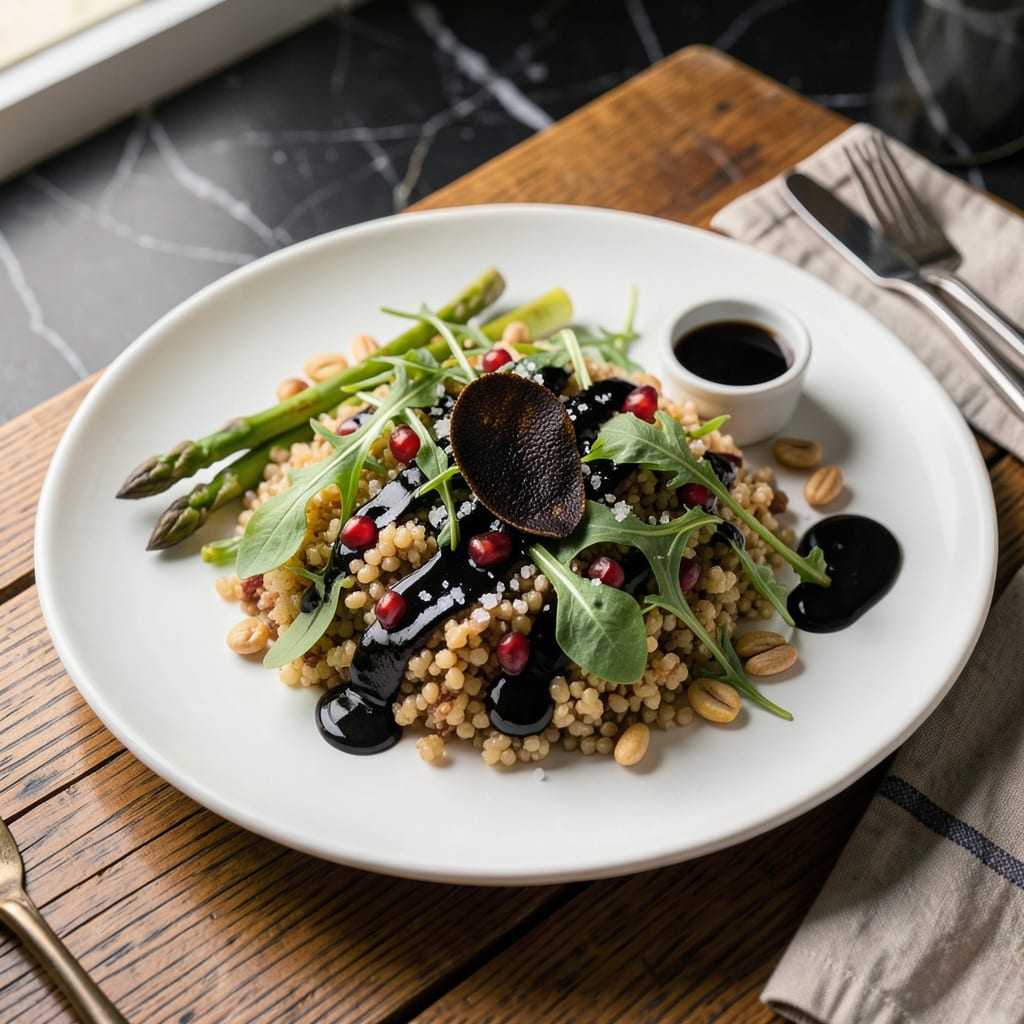
Truffle oil is generally safe in moderation but offers minimal nutritional value. Most commercial versions contain synthetic flavors and unhealthy fats, while pure truffle oil may provide antioxidants. Always check the label for additives and oil quality.
I’ve found that what really separates premium truffle oils from grocery-store varieties is the base oil and extraction method. 🔥 The synthetic versions often use canola or grapeseed oil as carriers, which lack the heart-healthy benefits of extra virgin olive oil. Even with authentic truffle-infused oils, the concentration is typically too low to deliver meaningful nutritional benefits—think of it more as a flavor enhancer than a health supplement.
From my kitchen experiments, I’ve noticed that a little goes a long way with truffle oil. The intense aroma means you only need ½ teaspoon to transform a dish, which helps minimize any potential downsides. ✨ What’s more telling is how it’s processed: cold-pressed oils retain more antioxidants, while heat-extracted versions may lose beneficial compounds during production.
💡 In This Article
- Nutritional Breakdown of Truffle Oil Ingredients
- Healthier Alternatives to Truffle Oil in Cooking
Nutritional Breakdown of Truffle Oil Ingredients
What’s actually in that bottle makes all the difference. Most commercial truffle oils use 2,4-dithiapentane—a lab-created compound that mimics truffle aroma—dissolved in neutral oils like canola or grapeseed. These carrier oils contain 14g fat per tablespoon, with a high omega-6 to omega-3 ratio that may promote inflammation when consumed excessively.
The synthetic flavor contributes zero nutritional value, while the oil base provides empty calories without the heart-healthy polyphenols found in extra virgin olive oil. 🔥
Authentic truffle oils (the expensive ones) use real truffle pieces steeped in high-quality olive oil. Here’s where you might get trace amounts of antioxidants like ergothioneine and gallic acid—compounds shown in studies to combat oxidative stress.
However, the concentration is minimal: you’d need to consume 10+ tablespoons daily to match the antioxidant content of a single serving of blueberries. The olive oil base does provide monounsaturated fats, but at 120 calories per tablespoon, it’s still calorie-dense. ✨
The processing method dramatically alters the nutritional profile. Cold-infused oils retain more of the truffle’s volatile compounds and olive oil’s nutrients, while heat-extracted versions often degrade beneficial components. I’ve tested this in my kitchen: a cold-infused oil maintains its aromatic complexity for 6-8 months, while heat-processed versions lose nuance after 3-4 months.
Always check labels for terms like “natural flavors” or “truffle essence”—these typically indicate synthetic additives. 💫
What surprises most people is the sodium content in some brands. Certain truffle oils contain added salt or preservatives like sodium benzoate to extend shelf life. A single teaspoon can deliver 5-10% of your daily sodium, which adds up quickly in restaurant dishes where chefs might use 1-2 tablespoons per serving.
The viscosity also matters: thicker oils often contain emulsifiers like xanthan gum, which some digestive systems handle poorly. 🌟
Here’s the kicker: even “premium” truffle oils rarely contain more than 1-3% actual truffle by weight. The rest is oil, and the type matters. Extra virgin olive oil bases offer polyphenols that support heart health, while refined vegetable oils provide none of these benefits.
I always recommend looking for oils with “first cold pressing” on the label—this indicates minimal processing and maximum nutrient retention. ⚡
For perspective, compare truffle oil to its whole-food counterpart: fresh black truffles contain fiber, protein, and minerals like iron and magnesium. The oil version strips away these nutrients, leaving primarily fat and flavor.
That’s why I use truffle oil as a finishing touch rather than a cooking medium—just ¼ teaspoon drizzled over dishes provides the aromatic impact without the nutritional downsides. 💛
The bottom line? Truffle oil’s health impact depends entirely on its composition. A synthetic version in canola oil offers no benefits beyond taste, while a cold-infused olive oil version might provide minimal antioxidants—if you’re willing to pay $30-$50 per bottle.
The key is treating it like a spice rather than a cooking oil: use sparingly and choose quality over quantity. 🌟

Trained in classic French technique but raised on slow-cooked ribs and spicy rubs, she blends culinary skill with smoke and soul.
- Recipe for Boneless Pork Chops in Cast Iron Skillet: Sear and Baste to Juicy Perfection - October 3, 2026
- Recipe for Boneless Cross Rib Roast: Slow-Roasted Beef with Herb Crust - October 3, 2026
- Hamburgers in Sauce Recipe Crock Pot: Slow-Cooked Savory Delight - October 3, 2026