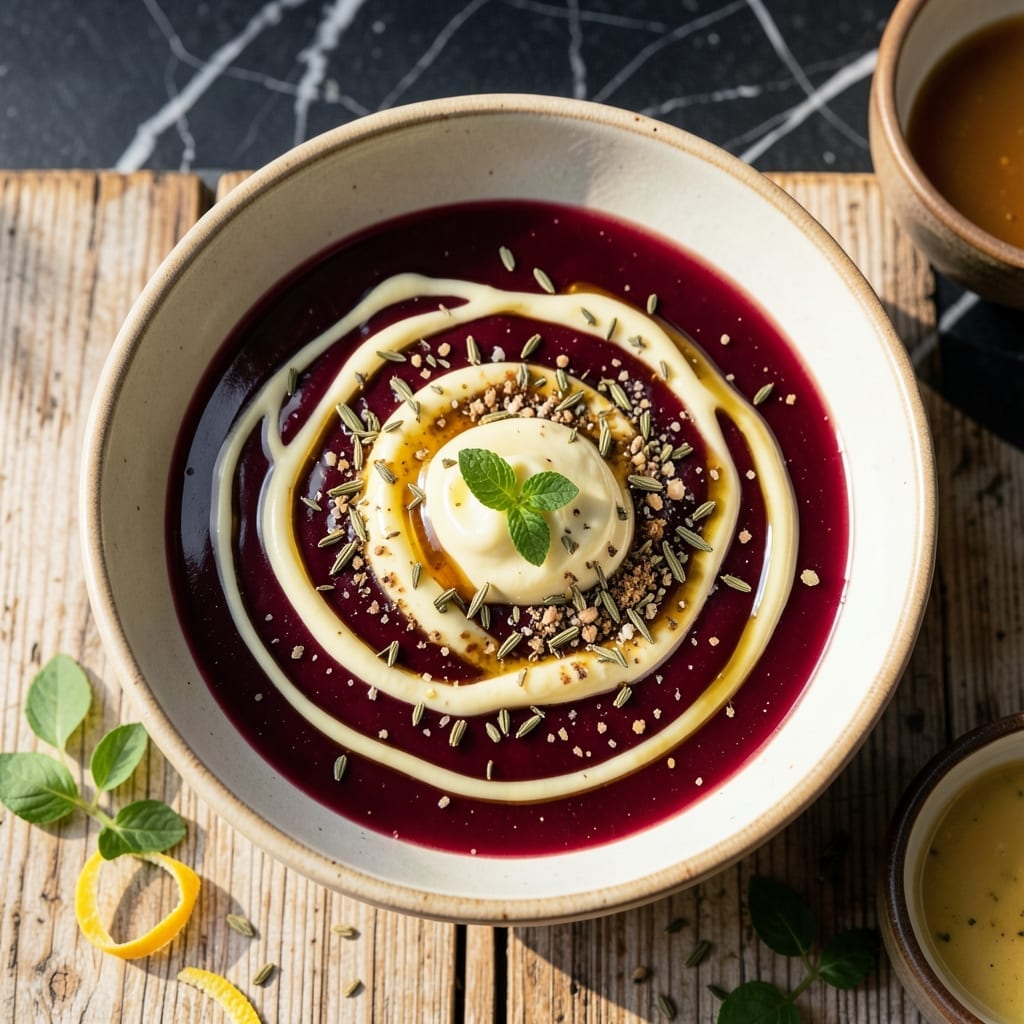
This professional-quality dressing transforms salads with its bright, herbaceous profile and perfect acidity balance. The red wine vinegar provides a tangy foundation that cuts through rich greens and proteins.
Whisking the emulsion properly ensures a stable blend that won’t separate in the fridge. Store in an airtight container for up to two weeks, shaking before each use to maintain its vibrant flavor.
Ingredients for Italian Dressing Recipe Red Wine Vinegar
Bright and herbaceous, these simple ingredients create a professional-quality dressing in minutes.
| Ingredient | Amount | Notes |
|---|---|---|
| Red Wine Vinegar 🍷 | ¾ cup | Good quality for best tang |
| Extra-Virgin Olive Oil 🫒 | ¾ cup | Cold-pressed for rich flavor |
| Dried Oregano 🍃 | 1 tbsp | Mediterranean variety preferred |
| Dried Basil 🌿 | 1 tbsp | Crushed for better distribution |
| Garlic Powder 🧄 | 1 tsp | Fresh ground if available |
| Onion Powder 🧅 | 1 tsp | Fine grain for smooth texture |
| Dijon Mustard 🟡 | 1 tbsp | Smooth, no seeds |
| Maple Syrup 🍁 | 1 tbsp | Balances acidity naturally |
| Salt 🧂 | ½ tsp | Sea salt or kosher |
| Black Pepper 🌶️ | ½ tsp | Freshly ground preferred |
[recipe_ingredient_scaler]
The olive oil is critical here. Cold-pressed extra-virgin from California Olive Ranch or Colavita provides the depth this dressing needs. Red wine vinegar should be aged in wood—look for Pompeian or Bragg at your supermarket. Dried herbs lose potency quickly, so check the date on the package. If it’s been in your pantry for over a year, it’s time to replace.
No red wine vinegar? White wine vinegar or apple cider vinegar work in a pinch, though the flavor profile shifts slightly. Missing Dijon? Regular yellow mustard at half the amount gets you close. Want it sweeter? Agave nectar can replace maple syrup. For an extra herbaceous kick, add 1 tsp dried thyme—it complements the oregano and basil beautifully.
Store in an airtight container in the fridge for up to 2 weeks. The emulsion may separate—just shake before each use. For longer storage, freeze in ice cube trays for up to 3 months. Thaw in the fridge overnight before using.
Why You’ll Love This Recipe
- Five-Minute Magic: It’s literally just whisking vinegar, oil, and spices—no chopping, no fuss.
- Zesty Kick: The red wine vinegar and garlic powder give it that tangy, herby punch I crave.
- Salad to Marinade: I toss it on greens, drizzle over grilled chicken, or marinate veggies in it.
- Pantry Staples Only: Olive oil, vinegar, and dried herbs mean I can make this anytime without a grocery run.
Step-by-Step Instructions for Italian Dressing
Here is the method I use for a perfectly balanced herb-infused dressing every time.
Step 1: Combine Vinegar and Seasonings
In a medium bowl, whisk together the 0.75 cup red wine vinegar with the 1 tbsp dried oregano, 1 tbsp dried basil, 1 tsp garlic powder, 1 tsp onion powder, 0.5 tsp salt, and 0.5 tsp black pepper. The dried herbs need a moment to rehydrate in the vinegar.
Let this mixture sit for 5 minutes to allow the herbs to soften and the flavors to begin melding. You’ll notice the vinegar starts to take on a deeper color as the herbs release their essential oils, creating that signature Italian flavor base.
Step 2: Create the Emulsion Base
Add the 1 tbsp Dijon mustard and 1 tbsp maple syrup to the vinegar-herb mixture. Whisk vigorously until fully combined. The Dijon mustard acts as an emulsifier, which helps bind the oil and vinegar together for a stable dressing.
The maple syrup balances the sharp tang of the vinegar while adding a subtle depth. You should see the mixture thicken slightly as the mustard incorporates, and the color will become more uniform.
Step 3: Slowly Incorporate the Olive Oil
Begin adding the 0.75 cup extra-virgin olive oil in a very slow, thin stream while whisking constantly. This gradual addition is critical for creating a smooth, creamy emulsion. If you pour too quickly, the dressing will separate.
Continue whisking until all the oil is fully incorporated and the dressing has thickened. It will turn a pale golden color and coat the back of a spoon. If it starts to separate, simply whisk more vigorously until it comes back together.
Step 4: Adjust and Store
Taste and adjust seasoning if needed. The dressing should have a bright, tangy flavor with herbal notes and a hint of sweetness. If it’s too sharp, a touch more maple syrup can mellow it, but I find the proportions here strike the perfect balance.
Transfer to an airtight jar or bottle and let it sit at room temperature for 15-20 minutes before using. This allows the flavors to fully develop. Store in the refrigerator for up to 1 week—the olive oil may solidify slightly, so let it sit at room temperature for 10 minutes and shake well before each use.
Pro Tips For Making Italian Dressing Recipe Red Wine Vinegar
- Shake Before Using: Always give the dressing a vigorous shake before drizzling—olive oil and vinegar separate fast, and you want every bite to taste balanced.
- Bloom the Herbs: I learned this the hard way—mix the dried oregano and basil into the vinegar first and let sit 10 minutes to wake up their flavors before adding oil.
- Skip the Stale Spices: Garlic powder loses its punch after 6 months, so check the date—old spices turn your dressing from zesty to flat.
- Use a 3:1 Ratio: Three parts olive oil to one part red wine vinegar is the sweet spot—any more oil and it tastes greasy, any less and it’s harsh.
Wine and Beer Pairings for This Recipe
Beer Pairings
The tangy, herbaceous notes of this red wine vinegar Italian dressing pair beautifully with crisp, refreshing beers. A light Pilsner, like Stella Artois, complements the zesty acidity with its citrusy, slightly bitter profile. For a bolder match, try a Hefeweizen such as Weihenstephaner—its banana and clove undertones balance the dressing’s sharpness while enhancing its herbal depth.
Wine Pairings
Wine lovers will delight in pairing this dressing with a bright, acidic Pinot Grigio, like Santa Margherita. The wine’s lemon and green apple notes echo the vinegar’s tang while cleansing the palate. For a richer option, a medium-bodied Chianti, such as Banfi, offers earthy cherry flavors that harmonize with the dressing’s oregano and garlic.
Non-Alcoholic Options
Prefer to skip the alcohol? A sparkling San Pellegrino Limonata 🥤 mirrors the dressing’s citrusy zing, while a ginger beer like Fever-Tree adds a spicy kick that contrasts nicely with the herbal blend. Both options keep the meal light and refreshing.
Nutrition Facts

Trained in classic French technique but raised on slow-cooked ribs and spicy rubs, she blends culinary skill with smoke and soul.
- Recipe for Boneless Pork Chops in Cast Iron Skillet: Sear and Baste to Juicy Perfection - October 3, 2026
- Recipe for Boneless Cross Rib Roast: Slow-Roasted Beef with Herb Crust - October 3, 2026
- Hamburgers in Sauce Recipe Crock Pot: Slow-Cooked Savory Delight - October 3, 2026