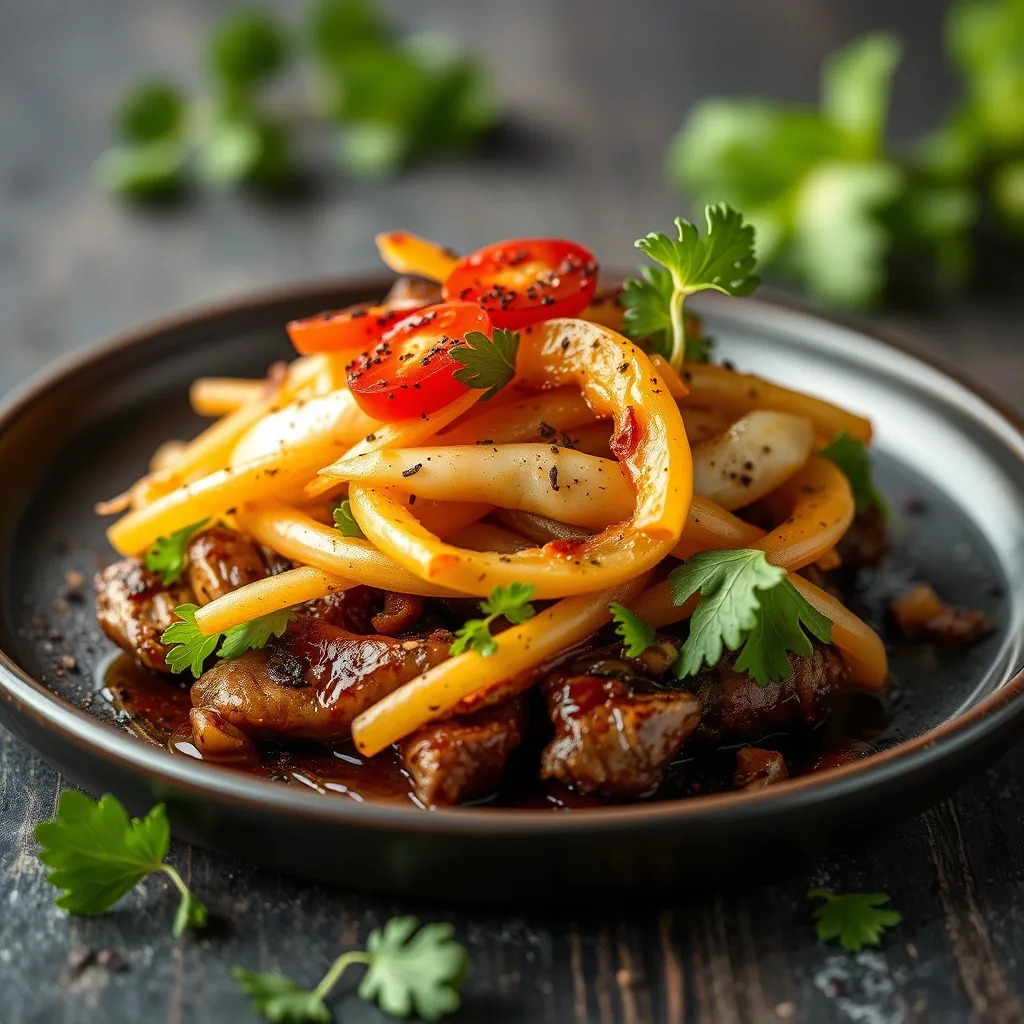
Growing up in Indonesia, the bustling morning markets were filled with colorful sweet treats called jajan pasar 😋. These beloved traditional snacks range from sticky rice cakes to coconut-filled dumplings. Today I’m sharing my favorite authentic recipes that bring those vibrant market flavors right to your kitchen! 🌺
Ingredients for jajan pasar
Gather these authentic Indonesian ingredients to create delicious, colorful jajan pasar treats at home.
| Ingredient | Amount | Notes |
|---|---|---|
| Glutinous Rice Flour 🌾 | 2 cup | Premium grade, not regular rice flour |
| Fresh Grated Coconut 🥥 | 1 ½ cup | Freshly grated, not dried |
| Palm Sugar 🍯 | ¾ cup | Grated or chopped finely |
| Pandan Leaves 🌿 | 3 oz | Knotted and crushed |
| Granulated Sugar 🧂 | ½ cup | Regular white sugar |
| Coconut Milk 🥛 | 1 cup | Full-fat, not light |
| Banana Leaves 🍃 | 8 oz | Cut into 6-inch squares |
| Tapioca Flour 🥟 | ½ cup | For dusting |
| Salt 🧂 | ¼ tsp | Fine sea salt preferred |
| Green Food Coloring 💚 | ¼ tsp | Natural pandan color if available |
[recipe_ingredient_scaler]
Find glutinous rice flour and pandan leaves at Asian grocery stores like H-Mart or 99 Ranch Market. Whole Foods carries organic coconut milk and palm sugar. Look for Chaokoh brand coconut milk for best results.
Fresh coconut can be substituted with frozen grated coconut, but avoid dried coconut. Choose bright green pandan leaves without brown spots. Palm sugar should be dark brown and fragrant.
Store unused banana leaves in the freezer for up to 3 months. Keep glutinous rice flour in an airtight container. Use fresh coconut milk within 5 days.
Step-by-Step Instructions for Jajan Pasar
Let me walk you through creating these beloved indonesian street sweets, ensuring authentic flavors in every bite.
🔥 Step 1: Prepare the Sticky Rice Base
I always start by washing the glutinous rice thoroughly until the water runs clear. Then, I soak it in cold water for 4-6 hours or preferably overnight. This soaking process is crucial for achieving that perfect sticky texture we’re looking for.
After soaking, drain the rice and combine it with 2 cups coconut milk and a pinch of salt in your steamer. I steam the mixture for 20-25 minutes until the rice becomes translucent and fully cooked. Give it a gentle stir halfway through to ensure even cooking.
🍳 Step 2: Create the Sweet Palm Sugar Mixture
While the rice is steaming, I prepare the palm sugar syrup. In a saucepan, I combine 1 cup grated palm sugar with 1/2 cup water and bring it to a gentle simmer over medium heat. Stir continuously until the sugar completely dissolves.
Once dissolved, I add 2 pandan leaves, tied in a knot, and let the mixture simmer for 5-7 minutes until it slightly thickens. The aroma should be wonderfully fragrant. Remove the pandan leaves before using.
👨🍳 Step 3: Assemble and Shape
Now comes the fun part! I transfer the warm sticky rice to a large mixing bowl and gradually pour in the palm sugar syrup, mixing well after each addition. You’ll want to use about 3/4 of the syrup initially, reserving some for serving.
With slightly wet hands, I shape the mixture into 2-inch balls or traditional diamond shapes. Roll each piece in fresh grated coconut until well coated. I like to work quickly while the rice is still warm, as it becomes harder to shape once it cools.
⏰ Step 4: Final Touches and Serving
Let the shaped jajan pasar rest for 10 minutes at room temperature to set. During this time, I prepare the serving plates and drizzle them with the remaining palm sugar syrup.
These treats are best enjoyed within 24 hours when stored at room temperature. If you need to store them longer, keep them in an airtight container in the refrigerator for up to 3 days, though the texture may change slightly.
Common Mistakes When Making Perfect Results
Mistake: Using regular all-purpose flour instead of rice flour or glutinous rice flour in traditional recipes like klepon or nagasari. This leads to dense, heavy textures that lack the characteristic bouncy chewiness. Solution: Always use authentic Asian rice flours – I recommend Rose Brand or Erawan for glutinous rice flour and Three Horses for regular rice flour. The proper flour creates that signature QQ (bouncy) texture we love ⚠️
Mistake: Adding coconut milk directly to hot mixtures without tempering, causing it to curdle or separate in recipes like kue lapis. Solution: First, warm coconut milk separately to room temperature. Then gradually whisk small amounts of the hot mixture into the coconut milk before combining everything. This gentle tempering process ensures smooth, creamy results without separation ✅
Mistake: Rushing the steaming process for layered treats like kue pepe or lapis legit, resulting in uneven layers that blend together. Solution: Steam each layer individually for 3-5 minutes until just set before adding the next. I use a bamboo steamer lined with banana leaf and maintain consistent medium heat. Test each layer with a light touch – it should be firm but still slightly tacky ⚠️
Mistake: Using freshly grated coconut that’s too wet for coatings like on klepon or onde-onde, making them soggy quickly. Solution: After grating, spread coconut on a baking sheet and dry in a 250°F oven for 5-7 minutes, stirring once. Let cool completely before using. This light toasting also enhances the nutty flavor while helping the coating stay crisp longer ✅
Nutrition Facts
285kcal
[recipe_ingredient_scaler]

Trained in classic French technique but raised on slow-cooked ribs and spicy rubs, she blends culinary skill with smoke and soul.
- Recipe for Boneless Pork Chops in Cast Iron Skillet: Sear and Baste to Juicy Perfection - October 3, 2026
- Recipe for Boneless Cross Rib Roast: Slow-Roasted Beef with Herb Crust - October 3, 2026
- Hamburgers in Sauce Recipe Crock Pot: Slow-Cooked Savory Delight - October 3, 2026