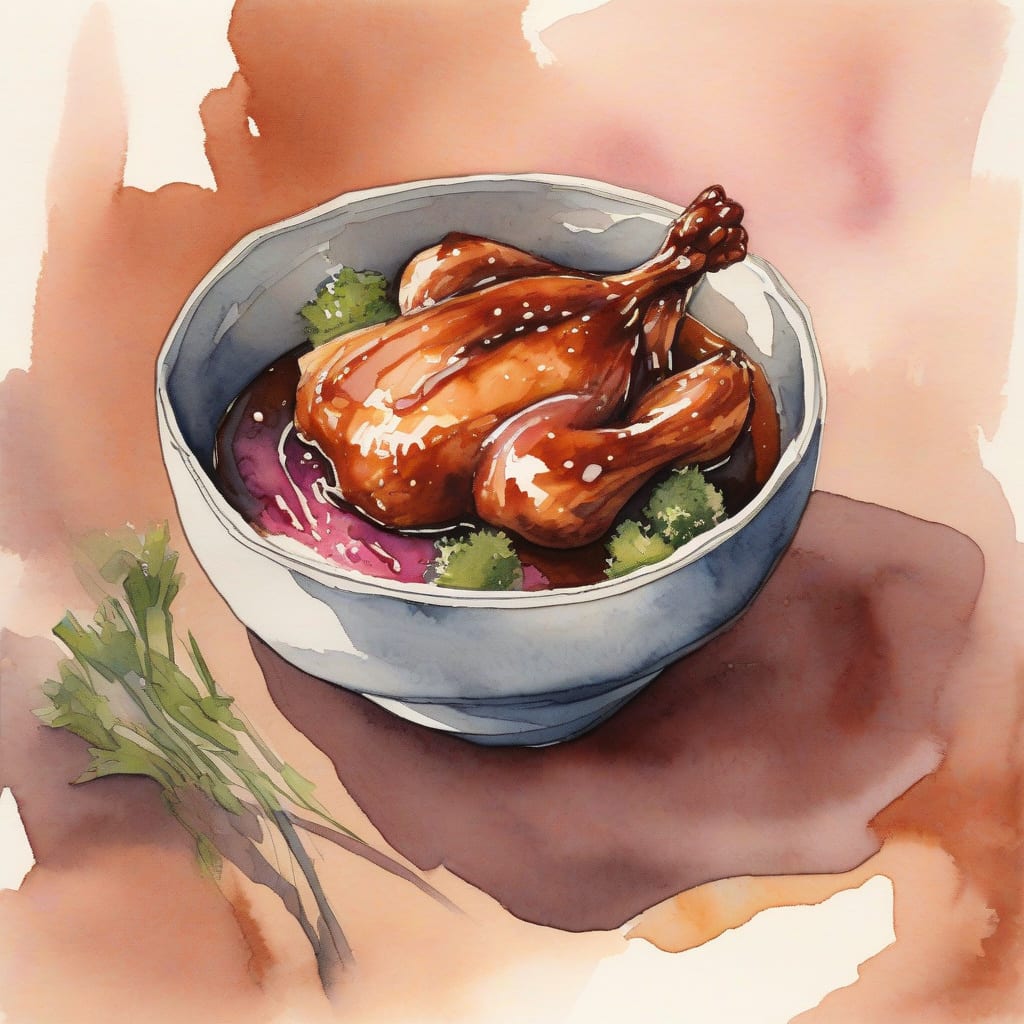
As a pitmaster with a passion for blending traditional techniques with global flavors, I’m excited to share my Japanese BBQ sauce recipe that’s perfect for glazing chicken. This sweet and savory sauce brings together the deep umami of soy sauce and mirin with a hint of ginger and garlic.
The secret to this rich and complex sauce lies in its balance of flavors. By carefully combining ingredients like soy sauce, sake, and brown sugar, we create a depth that’s hard to achieve with store-bought alternatives. The result is a velvety glaze that clings to chicken beautifully.
To use this sauce, simply brush it onto chicken during the last few minutes of grilling or baking. You can also marinate chicken in the sauce for 30 minutes to an hour before cooking for enhanced flavor. The versatility of this sauce makes it perfect for various cooking methods.
With this Japanese BBQ sauce, you’ll be able to achieve that perfect balance of sweet and savory on your chicken. The combination of flavors will elevate your grilled or baked chicken to a whole new level, making it a staple in your culinary repertoire.
Ingredients for Japanese Bbq Sauce Recipe Chicken
Eight ingredients create this rich Japanese BBQ sauce for perfect chicken glazing.
| Ingredient | Amount | Notes |
|---|---|---|
| Soy Sauce 💧 | 1 cup | Use low-sodium for better control |
| Sake 🍶 | ½ cup | Or dry white wine as substitute |
| Mirin 🍶 | ½ cup | Sweet Japanese cooking wine |
| Brown Sugar 🍮 | ¼ cup | Packed for measurement |
| Rice Vinegar 🍋 | 2 tbsp | Unseasoned rice vinegar preferred |
| Grated Ginger 🧄 | 2 tbsp | Freshly grated for best flavor |
| Garlic Cloves 🧄 | 4 cloves | Minced for maximum flavor |
| Sesame Oil 🫒 | 1 tbsp | Toasted sesame oil for nuttiness |
[recipe_ingredient_scaler]
The soy sauce matters here. Kikkoman is a reliable choice, but any good-quality low-sodium works. Sake can be substituted with dry white wine if you don’t have it on hand. For mirin, look for ‘hon-mirin’ for authenticity—the ‘aji-mirin’ is sweeter and contains added salt.
No fresh ginger? Ground ginger works at one-third the amount—start with 2 teaspoons. Garlic can be adjusted to taste—some like it strong, some prefer it subtle. If you don’t have rice vinegar, apple cider vinegar is a decent substitute. The brown sugar helps balance the saltiness, so don’t skip it.
This sauce keeps for 2 weeks in the fridge, getting better with age. Store it in an airtight container and give it a good stir before using. You can also freeze it for 3 months—just thaw and whisk before using. Brush it on chicken during the last few minutes of grilling or baking for the best results.
Why You’ll Love This Recipe
- I’ll be real: I make extra just so I can enjoy it for lunch the next day – the leftovers are just as delicious, and it’s a great way to save time during the week.
- Quick Prep: I can whip up this Japanese BBQ sauce recipe chicken in under 30 minutes, and it’s honestly a game-changer for busy weeknights.
- Umami Bomb: The combination of Soy Sauce, Sake, and Mirin creates a ridiculously good flavor that’s both sweet and savory – that first bite is pure satisfaction.
- Leftover Love: I’ll be real: I make extra just so I can enjoy it for lunch the next day – the leftovers are just as delicious, and it’s a great way to save time during the week.
Step-by-Step Instructions for Japanese BBQ Sauce Chicken
Here’s the method that’ll transform your chicken with that perfect sweet and savory glaze.
Step 1: Combine Wet Ingredients and Sugar
In a medium saucepan, combine the 1 cup Soy Sauce, 0.5 cup Sake, 0.5 cup Mirin, and 0.25 cup Brown Sugar. Whisk until the sugar is mostly dissolved – it doesn’t have to be perfect at this stage.
The mixture will be quite salty from the soy sauce, but that’s exactly what we want – that deep umami flavor that makes Japanese BBQ sauce so addictive. I’ve found that using low-sodium soy sauce gives us better control over the final saltiness.
Step 2: Add Aromatics and Simmer
Add the 2 tbsp Grated Ginger and 4 cloves Garlic Cloves to the saucepan. Bring the mixture to a medium simmer over medium heat, whisking occasionally.
Once it reaches a simmer, reduce the heat to low and let it cook for 10-12 minutes, or until the sauce has thickened slightly and reduced by about 1/4. You’ll notice it coating the back of a spoon – that’s when you know it’s ready.
Step 3: Finish with Rice Vinegar and Sesame Oil
Remove the saucepan from the heat and whisk in the 2 tbsp Rice Vinegar and 1 tbsp Sesame Oil. The residual heat will help meld these flavors into the sauce.
This final step adds brightness from the vinegar and a deep nutty flavor from the sesame oil. The sauce will continue to thicken as it cools, so don’t worry if it seems a bit thin at first – it’ll reach that perfect glaze consistency.
Step 4: Glaze the Chicken
For the best results, brush the sauce onto chicken during the last 5-7 minutes of grilling or baking. If you’re grilling, apply a thin layer and let it caramelize before adding more – this prevents the sauce from burning.
The sauce will create a beautiful, sticky glaze on the chicken while infusing it with that signature Japanese BBQ flavor. For an extra glossy finish, you can brush on one final layer after the chicken rests for a few minutes.
Pro Tips For Making Japanese Bbq Sauce Recipe Chicken
- Reduce Sake Properly: Before adding Sake to your Japanese BBQ sauce, reduce it by cooking it down for about 5 minutes to remove the harsh alcohol flavor, leaving a deeper, richer taste that complements the Soy Sauce and Mirin.
- Balance Sugar Content: When using Brown Sugar, be aware that it can make the sauce quite sweet; balance it out by adjusting the amount of Mirin, which is also sweet, to achieve a harmonious flavor profile that isn’t overly sugary.
- Avoid Over-Reduction: Be cautious not to over-reduce your BBQ sauce, as it can become too thick and sticky; keep an eye on it while it’s simmering, and remove it from heat when it reaches your desired consistency to prevent it from becoming too thick to coat the chicken evenly.
- Marinate for Flavor: For more intense flavor, marinate your chicken in the Japanese BBQ sauce for at least 30 minutes before grilling or baking; this allows the sauce to penetrate the meat, ensuring it’s flavorful throughout, not just on the surface.
Creative Variations of This japanese bbq sauce recipe chicken
Korean-Style Variations
To give this Japanese BBQ sauce a Korean twist, add 1-2 teaspoons of gochujang (Korean chili paste) during the simmering process. This will introduce a deeper, fermented heat that pairs beautifully with the sweetness of the mirin and brown sugar. You can also add 1 tablespoon of toasted sesame seeds for added texture and nutty flavor.
Spicy Ginger Variation
For those who like a bit more heat, increase the amount of grated ginger to 3-4 tablespoons and add 1-2 teaspoons of red pepper flakes during the simmering process. This will give the sauce a spicy kick that complements the richness of the soy sauce. The increased ginger will also provide a more pronounced warmth and depth to the sauce.
Sweet and Smoky Variation
To add a smoky dimension to the sauce, whisk in 1-2 tablespoons of smoked paprika or 1 tablespoon of liquid smoke during the final step. This will give the sauce a deep, smoky flavor that’s perfect for grilled meats. You can also add a bit more brown sugar to balance out the smokiness.
Yuzu Twist
For a brighter, citrusy flavor, substitute the 2 tablespoons of rice vinegar with 2 tablespoons of yuzu juice. Yuzu has a unique flavor that’s both tart and aromatic, adding a nice complexity to the sauce. If you can’t find yuzu juice, you can use a combination of lemon and grapefruit juice as a substitute.
Storage and Reuse
This Japanese BBQ sauce can be stored in an airtight container in the refrigerator for up to 2 weeks. It will thicken as it cools, so you may need to whisk in a bit of water or sake to thin it out before using. You can also freeze the sauce for up to 3 months and thaw it when needed. The flavors will meld together over time, making it even better with age. ❄️
Nutrition Facts
Frequently Asked Questions
Can I use this Japanese BBQ sauce for other meats besides chicken?
Absolutely! This versatile sauce works beautifully with beef, pork, or even tofu. The sweet and savory flavors complement a variety of proteins, making it perfect for grilling or roasting. For beef or pork, you may want to adjust the brushing time to 5-7 minutes before finishing cooking. The sauce’s umami flavor enhances the natural taste of the meat, creating a deliciously complex flavor profile.
How long can I store this Japanese BBQ sauce?
You can store this sauce in an airtight container in the refrigerator for up to 2 weeks. The flavors will meld together over time, making it even better with age. If you want to keep it longer, you can freeze it for up to 3 months. When you’re ready to use it, simply thaw and whisk before applying to your chicken or other meats.
Can I make this sauce without sake?
Yes, you can substitute sake with dry white wine or omit it altogether. If you choose to omit it, you may want to add a bit more rice vinegar to maintain the balance of flavors. The sake adds a depth of flavor, but the sauce will still be delicious without it. Keep in mind that omitting or substituting sake might slightly alter the overall flavor profile.
Is this sauce suitable for gluten-free diets?
The sauce contains soy sauce, which typically includes gluten. However, you can easily make it gluten-free by using a gluten-free soy sauce or tamari. Be sure to check the labels of all ingredients to ensure they meet your dietary needs. This simple substitution makes the sauce accessible to those with gluten intolerance or sensitivity.

Trained in classic French technique but raised on slow-cooked ribs and spicy rubs, she blends culinary skill with smoke and soul.
- Recipe for Boneless Pork Chops in Cast Iron Skillet: Sear and Baste to Juicy Perfection - October 3, 2026
- Recipe for Boneless Cross Rib Roast: Slow-Roasted Beef with Herb Crust - October 3, 2026
- Hamburgers in Sauce Recipe Crock Pot: Slow-Cooked Savory Delight - October 3, 2026