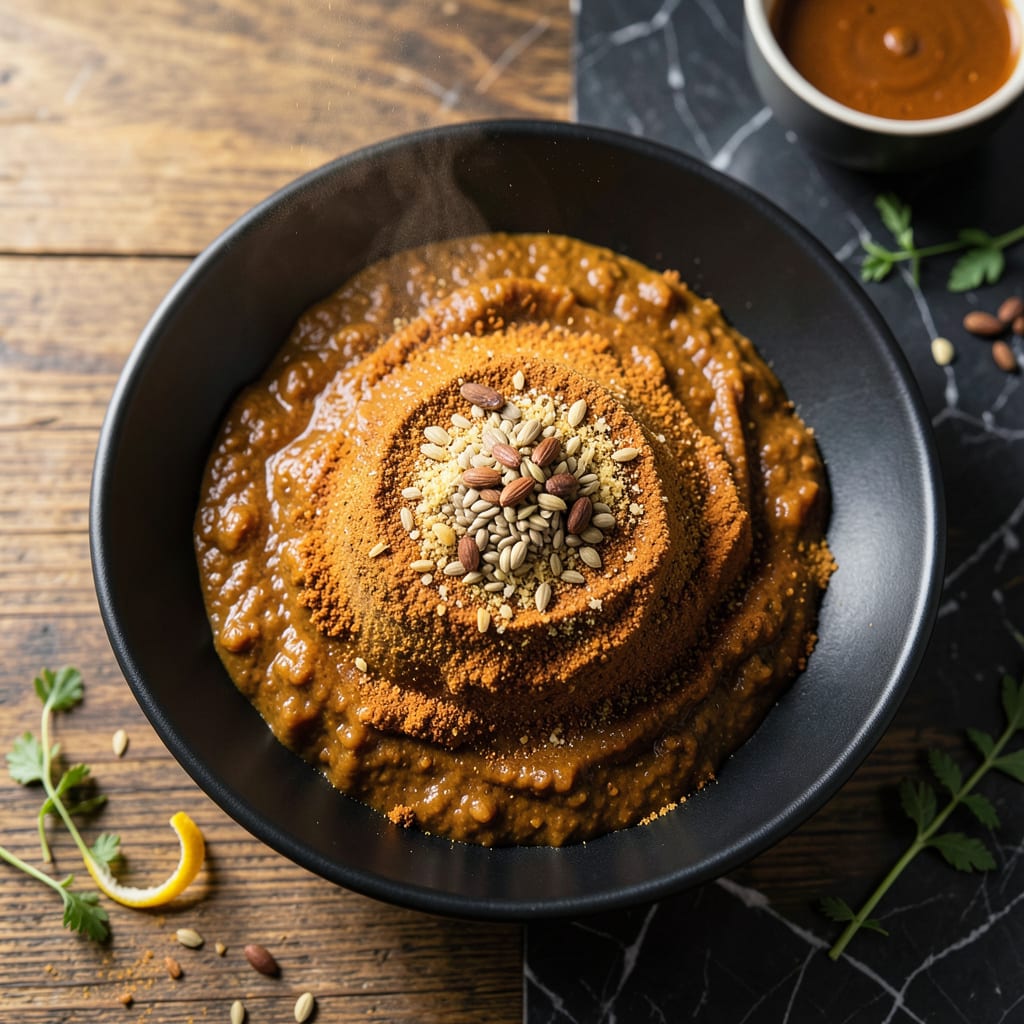
Creating a homemade Japanese curry mix brings restaurant-quality flavor to your kitchen without the preservatives of store-bought blends.
This simple spice blend combines warm, aromatic spices that form the foundation for rich, savory curries. Store in an airtight container for up to 6 months.
Ingredients for Japanese Curry Mix
Ten warm spices. One blend. Restaurant flavor at home.
| Ingredient | Amount | Notes |
|---|---|---|
| Curry Powder 🌶️ | 3 tbsp | Mild or hot variety |
| Ground Coriander 🌿 | 2 tbsp | Freshly ground preferred |
| Ground Cumin 🌿 | 1 tbsp | Toasted for deeper flavor |
| Ground Turmeric 🟡 | 1 tbsp | For vibrant color |
| Ground Ginger 🌿 | 1 tbsp | Essential for warmth |
| Garlic Powder 🧄 | 1 tbsp | Not garlic salt |
| Onion Powder 🧅 | 1 tbsp | Fresh ground preferred |
| Ground Fenugreek 🌿 | 1 tsp | Key for authentic flavor |
| Ground Cinnamon 🌿 | ½ tsp | Adds subtle sweetness |
| Ground Cloves 🌿 | ¼ tsp | Use sparingly |
[recipeingredientscaler]
The curry powder is your base, so splurge on a high-quality blend from Penzeys or an Asian market. Freshness matters here—spices older than 6 months lose their punch. Ground coriander and cumin are non-negotiable for that authentic Japanese profile. If you can find whole seeds, toast and grind them yourself (worth the extra minute). Fenugreek might be new to you, but it’s the secret to that deep, savory note.
No fenugreek? A pinch of maple syrup can mimic its sweetness, but it’s not the same. Out of ground ginger? Fresh grated at double the amount. Want more heat? Add cayenne at 0.25 tsp. The cinnamon might seem odd, but trust the process—it rounds out the blend beautifully. If your spices are dusty, they’re toast. Toss and replace.
Glass jar, dark cabinet, done. This blend stays potent for about 6 months—longer if you vacuum-seal it. I make a double batch every time, then gift the extra. Beats those sad little store packets any day.
Why You’ll Love This Recipe
- One Pan Wonder: I just dump the spices, stir, and let them toast—no fuss, no fancy tools.
- Warm Spice Hug: That mix of turmeric and ginger gives it a cozy, earthy depth I crave on chilly nights.
- Feeds a Crowd: I stretch one batch over rice, noodles, or even roasted veggies for three different meals.
- Budget Stretcher: Five pantry staples and I’ve got a flavor base that lasts weeks. Honestly, it’s cheaper than takeout.
Step-by-Step Instructions for Japanese Curry Mix
Here’s the method. Straightforward, tested, works every time.
Step 1: Toast the Cumin for Deeper Flavor
Heat a dry skillet over medium heat. Add the 1 tbsp Ground Cumin and toast for 1-2 minutes until fragrant. Stir constantly to prevent burning—you’ll smell when it’s ready.
This step wakes up the cumin’s natural oils, giving your blend a richer, more complex base. I’ve found that freshly toasted cumin makes all the difference in authentic Japanese curry flavor. Remove from heat immediately once it turns a shade darker and releases its aroma.
Step 2: Combine All Dry Spices
In a mixing bowl, add the toasted cumin along with the 3 tbsp Curry Powder, 2 tbsp Ground Coriander, 1 tbsp Ground Turmeric, 1 tbsp Ground Ginger, 1 tbsp Garlic Powder, and 1 tbsp Onion Powder.
Whisk these together thoroughly until fully combined. The turmeric will give the mixture its signature golden hue, while the coriander and ginger create the warm, earthy foundation. Make sure there are no clumps—this ensures even distribution in your final dish.
Step 3: Add the Finishing Spices
Now incorporate the 1 tsp Ground Fenugreek, 0.5 tsp Ground Cinnamon, and 0.25 tsp Ground Cloves. These are your secret weapons—the fenugreek adds that distinctive slightly bitter note that defines Japanese curry, while the cinnamon and cloves provide subtle warmth and depth.
Mix again until all spices are evenly distributed. The cinnamon’s sweetness should balance the fenugreek’s bitterness, creating that perfect harmony. This is where the magic happens—don’t rush this step.
Step 4: Store Properly for Maximum Freshness
Transfer your finished blend to an airtight container. I prefer glass jars for this—they keep the spices fresh longer and let you see that beautiful golden color. Store in a cool, dark place away from direct sunlight.
Your homemade Japanese curry mix will keep for up to 3 months at peak flavor. For best results, give it a quick stir before each use to redistribute the spices. This ensures every spoonful delivers that perfect balance of warm, savory, slightly sweet complexity.
Pro Tips For Making Japanese Curry Mix
- Toast Your Spices: Heat the curry powder, coriander, cumin, turmeric, and ginger in a dry pan for 1-2 minutes until fragrant—this wakes up the flavors and removes any raw bitterness. I skipped this once and the curry tasted flat.
- Balance the Heat: If your curry powder is overly spicy, add a pinch of sugar or a splash of milk to mellow it out. After burning my tongue one too many times, I now taste as I go.
- Skip the Clumps: Whisk your spice mix into a small amount of warm oil or water before adding it to the pot to prevent lumps. My grandmother swore by this, and she was right: no one likes a mouthful of dry spice.
- Use Fresh Ground: If your ground spices have been sitting in the cupboard for over 6 months, replace them—they lose their punch. Sounds weird, but it works: fresh spices make the curry taste brighter and more complex.
Serving Suggestions for Leftovers
Over Rice Classics
Serve this blend spooned over steaming jasmine or short-grain rice—the standard Japanese approach. I use 2 tbsp of mix per 1 cup of liquid when making the sauce. The rice soaks up all that rich, spiced flavor beautifully. 💛
With Protein Additions
Add cubed chicken thigh or pork shoulder to your curry sauce for a hearty meal. For vegetarians, tofu or chickpeas work wonderfully. Brown your protein first for deeper flavor development.
Vegetable Pairings
Stir in carrots, potatoes, and onions—the classic Japanese trio. I like adding 1 cup diced carrots and 2 diced potatoes per 4 servings. These veggies hold up well to the long simmering process.
Noodle Variations
Toss your curry sauce with udon or ramen noodles for a comforting bowl. Use 8 oz of noodles and coat thoroughly with the thickened sauce. This makes a great cold-weather meal.
As a Dipping Sauce
Thin the prepared curry with a bit of coconut milk and serve as a dipping sauce for tempura or grilled meats. The warm spices complement crispy foods perfectly. 🔥
Garnish Ideas
Top your dish with fukujinzuke (Japanese pickles) or a sprinkle of toasted sesame seeds. Fresh cilantro adds a bright note that cuts through the richness of the curry.
Nutrition Facts

Trained in classic French technique but raised on slow-cooked ribs and spicy rubs, she blends culinary skill with smoke and soul.
- Recipe for Boneless Pork Chops in Cast Iron Skillet: Sear and Baste to Juicy Perfection - October 3, 2026
- Recipe for Boneless Cross Rib Roast: Slow-Roasted Beef with Herb Crust - October 3, 2026
- Hamburgers in Sauce Recipe Crock Pot: Slow-Cooked Savory Delight - October 3, 2026