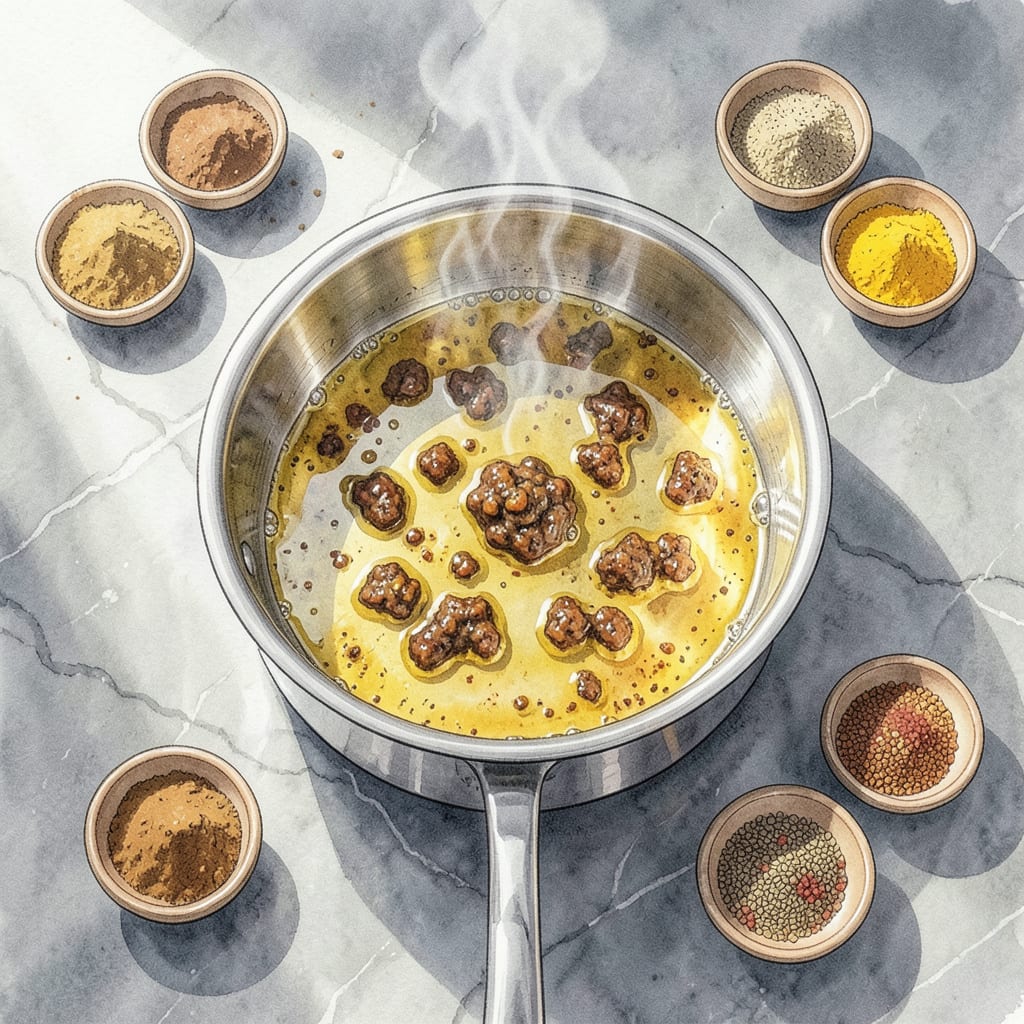
Creating your own Japanese curry paste transforms store-bought convenience into homemade depth. This rich, aromatic base captures the complex balance of sweetness, warmth, and umami that defines authentic Japanese curry—without relying on pre-made roux blocks. The process is straightforward: toast spices with flour, bloom aromatics in oil, and combine into a concentrated paste that stores beautifully.
Once prepared, this versatile paste becomes your secret weapon for quick curries, ramen broths, or stews. Use 2 tablespoons per cup of liquid for perfectly balanced flavor. The vegetarian base keeps for 2 weeks refrigerated or 3 months frozen, with optional chicken bouillon for non-vegetarian variations. No artificial preservatives—just pure, customizable spice.
Ingredients for Japanese Curry Paste
These aromatic ingredients build the rich, complex foundation for your homemade Japanese curry paste.
| Ingredient | Amount | Notes |
|---|---|---|
| All-Purpose Flour 🌾 | ½ cup | For thickening the paste |
| Garam Masala 🌶️ | 2 tbsp | Warm, aromatic spice blend |
| Ground Turmeric 🌿 | 1 tbsp | For golden color and earthiness |
| Ground Cumin 🌿 | 1 tbsp | Toasted for nutty depth |
| Ground Coriander 🌿 | 1 tbsp | Citrusy, floral undertones |
| Sweet Paprika 🌶️ | 1 tbsp | Mild, sweet red pepper flavor |
| Neutral Oil 🫒 | ⅓ cup | Avocado or vegetable oil |
| Yellow Onion 🧅 | 1 whole | Finely grated for sweetness |
| Garlic Cloves 🧄 | 6 cloves | Minced to a fine paste |
| Fresh Ginger 🌿 | 1 tbsp | Peeled and freshly grated |
| Tomato Paste 🍅 | 2 tbsp | For umami and richness |
| Apple 🍎 | 1 whole | Peeled, grated for sweetness |
| Soy Sauce 🫙 | 1 tbsp | Low-sodium preferred |
| Honey 🍯 | 1 tbsp | Balances spice with sweetness |
[recipe_ingredient_scaler]
The spices are the soul of this paste. Penzeys or bulk bins at Asian markets give you the freshest options—avoid anything that smells faint or dusty. Garam masala blends vary by brand, so taste before committing (some lean cinnamon-heavy, others more pepper-forward). For the oil, avocado oil handles high heat best, but any neutral oil works. The onion, garlic, and ginger should be freshly grated—this releases more juices for a smoother paste (the food processor is your friend here).
No garam masala? Use a mix of one-third each cinnamon, cardamom, and cloves with a pinch of nutmeg. Out of fresh ginger? Ground ginger at half the amount works, though fresh gives better zing. The apple might seem odd, but it’s key for that signature Japanese curry sweetness—Granny Smith works best (or sub 2 tbsp applesauce). For vegetarian depth, mushroom powder mimics umami if you skip the optional bouillon later.
This paste keeps 2 weeks refrigerated in a sealed jar (oil layer on top prevents drying). For 3 months frozen, portion into ice cube trays—each cube is about 2 tbsp (perfect for single servings). The flavors actually deepen after a day, so make it ahead. Pro tip: label with the date—spices fade over time, even in the freezer.
Why You’ll Love This Recipe
- No Blender Needed: I love that this comes together with just a bowl and a whisk—no fancy equipment. The flour and spices bloom right in the pan while you stir, so cleanup is practically nonexistent.
- Warm Spice Magic: That first whiff when the garam masala and turmeric hit the oil? It’s like cozy comfort in a spoon. The cumin and coriander add this earthy depth that makes store-bought curry roux taste flat in comparison.
- Freezer-Friendly Flavor Bomb: I double the batch every time because this paste keeps for months frozen in ice cube trays. Toss a cube into soups, stir-fries, or even gravy when you’re short on time—it’s my secret weapon for lazy dinners.
- Budget Stretch Champion: A handful of pantry staples transforms cheap veggies or leftover meat into a meal that tastes like it simmered all day. Honestly, it’s saved me from takeout more times than I can count.
Step-by-Step Instructions for Japanese Curry Paste
This method transforms simple ingredients into a complex, aromatic paste that forms the foundation of rich curries.
Step 1: Bloom the Spices in Oil
Heat the 0.33 cup neutral oil in a medium saucepan over medium-low heat. When the oil shimmers but isn’t smoking, add the 2 tbsp garam masala, 1 tbsp ground turmeric, 1 tbsp ground cumin, 1 tbsp ground coriander, and 1 tbsp sweet paprika. Stir constantly for 2-3 minutes until the spices become fragrant and slightly darkened in color.
This blooming process activates the essential oils in the spices, creating a more potent flavor base. Watch carefully—the spices should sizzle gently but not burn. If they start to smoke, remove the pan from heat immediately and reduce the temperature before continuing.
Step 2: Build the Aromatic Base
Add the finely grated yellow onion, minced garlic cloves, and fresh ginger to the spiced oil. Cook over medium heat for 8-10 minutes, stirring frequently, until the onions soften and turn translucent. The mixture should develop a deep golden color and release a rich, savory aroma.
Next, stir in the 2 tbsp tomato paste and cook for another 2-3 minutes. This step caramelizes the tomato paste, eliminating any raw taste and developing umami depth. The paste should darken slightly and begin to stick to the bottom of the pan—this is exactly what you want for maximum flavor.
Step 3: Incorporate Sweet and Savory Elements
Add the peeled, grated apple to the mixture and cook for 5 minutes, stirring occasionally. The apple will break down and integrate completely, adding natural sweetness and body to the paste. Then stir in the 1 tbsp soy sauce and 1 tbsp honey, cooking for another 2 minutes until everything is well combined.
The paste should now have a glossy sheen and a balanced sweet-savory aroma. Taste and adjust seasoning if needed, though remember the flavors will concentrate further when used in cooking.
Step 4: Thicken and Finish the Paste
Sprinkle the 0.5 cup all-purpose flour over the mixture and stir vigorously to incorporate completely. Cook for 3-4 minutes over medium-low heat, stirring constantly, until the paste thickens noticeably and pulls away slightly from the sides of the pan.
The finished paste should have the consistency of thick peanut butter and a deep, complex aroma. Transfer it to a clean jar and let it cool completely before using. The paste will keep in the refrigerator for up to 2 weeks or can be frozen for 3 months—its flavor actually improves after a day or two as the ingredients meld together.
Common Mistakes When Making Great japanese curry paste
Burning the Spices
The moment your spices start to smoke, you’ve crossed into bitter territory. I’ve ruined batches by walking away “just for a second” while blooming spices. Keep the heat at medium-low and stir constantly—those 2-3 minutes of toasting are critical. If you smell acrid notes, start over. Trust me, burnt garam masala tastes like disappointment in paste form. 🌶️
Rushing the Onion Base
Those 8-10 minutes of cooking onions, garlic, and ginger aren’t optional. I once tried to speed it up by cranking the heat, and ended up with raw-tasting paste. The onions should turn translucent and sweet, not browned. Patience here means deeper flavor later. Think of it like building a campfire—slow and steady wins the flavor race.
Skipping the Tomato Paste
It might seem small, but that 2 tbsp tomato paste is your umami bomb. I skipped it once thinking “how much difference could it make?” The result was flat and one-dimensional. Cook it until it darkens slightly—this caramelization is what gives Japanese curry its signature depth. Don’t substitute with fresh tomatoes; the concentration is key.
Undercooking the Flour
The 3-4 minutes of cooking flour isn’t just about thickening—it’s about removing that raw flour taste. I learned this the hard way when my first batch tasted like uncooked biscuit dough. Keep stirring until the paste pulls away from the pan slightly. You’re looking for a peanut butter consistency, not gluey batter.
Ignoring the Apple
That 1 grated apple might seem odd, but it’s the secret to authentic sweetness. I once substituted sugar thinking it was equivalent—big mistake. The apple breaks down completely, adding natural sweetness and body. Use Granny Smith for tart balance. If you’re tempted to skip it, remember: Japanese curry’s signature mild sweetness comes from this step.
Improper Storage
Even the best paste turns rancid if stored wrong. I lost a beautiful batch by using a shallow container—too much air exposure. Always transfer to a clean jar, press plastic wrap directly on the surface, then seal. For freezer storage, portion into ice cube trays first. The oil layer trick (pouring 1 tsp oil on top) creates an airtight seal that extends fridge life. ❄️
Nutrition Facts

Trained in classic French technique but raised on slow-cooked ribs and spicy rubs, she blends culinary skill with smoke and soul.
- Recipe for Boneless Pork Chops in Cast Iron Skillet: Sear and Baste to Juicy Perfection - October 3, 2026
- Recipe for Boneless Cross Rib Roast: Slow-Roasted Beef with Herb Crust - October 3, 2026
- Hamburgers in Sauce Recipe Crock Pot: Slow-Cooked Savory Delight - October 3, 2026