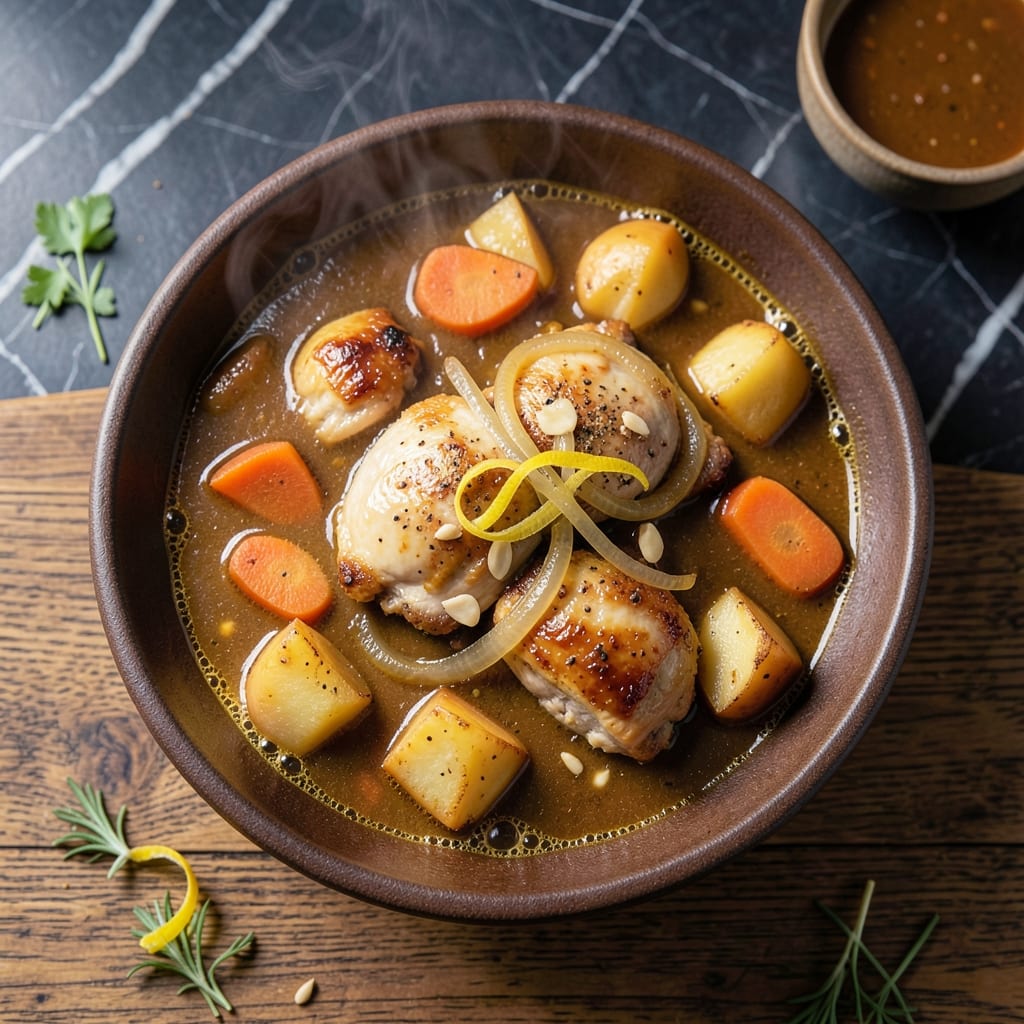
Creating a rich Japanese curry from scratch transforms dinner into a deeply satisfying experience. This homemade roux delivers the authentic comfort you expect without relying on store-bought shortcuts.
I developed this recipe after testing multiple versions in my small kitchen, focusing on a balanced blend of spices that build flavor gradually. The roux comes together with simple ingredients but requires careful attention to achieve that perfect thickness.
The result is a velvety sauce with layers of warmth and complexity, coating tender meat and vegetables in every bite. This approach proves that homemade can outshine any pre-made version.
Perfect for chilly evenings when you need a meal that feels both nourishing and indulgent. The process takes time but rewards with restaurant-quality results.
Ingredients for Japanese Curry Recipe No Cubes
A handful of spices, fresh produce, and a little patience yield this velvety comfort dish.
| Ingredient | Amount | Notes |
|---|---|---|
| Boneless Chicken Thighs 🍗 | 1 ½ lb | Skin-on or off, cut into bite-sized |
| Carrots 🥕 | 2 whole | Peeled, cut into chunks |
| Russet Potatoes 🥔 | 2 whole | Peeled, cubed into 1.5-inch |
| Yellow Onion 🧅 | 1 whole | Diced medium-fine |
| Garlic Cloves 🧄 | 3 cloves | Minced finely for depth |
| Fresh Ginger 🌿 | 1 tbsp | Grated or minced |
| All-Purpose Flour 🌾 | ½ cup | For thickening the roux |
| Curry Powder 🌶️ | 3 tbsp | Japanese-style preferred, or S&B Golden Curry |
| Garam Masala 🌿 | 1 tsp | Adds warmth and complexity |
| Ground Turmeric 🌶️ | ½ tsp | For color and earthiness |
| Ground Cumin 🌿 | 1 tsp | Toasted briefly for aroma |
| Vegetable Oil 🫒 | ¼ cup | Neutral-flavored for frying |
| Low-Sodium Chicken Broth 🥣 | 3 cups | Or substitute vegetable broth |
| Apple 🍏 | 1 whole | Peeled, grated for sweetness |
| Honey 🍯 | 1 tbsp | Balances the spices (or use maple syrup) |
[recipe_ingredient_scaler]
The curry powder is the backbone—S&B Golden Curry is the gold standard for Japanese-style flavor (find it at Asian markets or Amazon). For the chicken, thighs stay juicy through cooking; boneless saves time but bone-in adds richness. Potatoes should be starchy—Russets or Yukon Golds. Don’t skip grating the apple (the good stuff, not the pre-shredded kind); it mellows the spices beautifully.
No Japanese curry powder? Make your own with equal parts mild Madras curry powder and turmeric. Vegetable oil can be swapped for coconut oil for depth. Out of chicken broth? Water plus bouillon powder works. The honey keeps the sauce balanced—maple syrup or sugar are fine substitutes. For heat, add a pinch of cayenne or red pepper flakes.
The roux keeps in the fridge for 1 week or freezes for 3 months. Leftovers taste even better the next day—store in an airtight container. Potatoes can be prepped ahead (keep in water) to save time on busy nights.
Why You’ll Love This Recipe
- One Pot Wonder: I love that everything—chicken, potatoes, carrots—simmers together in one pot, so cleanup is a breeze.
- Deep, Rich Flavor: The garlic and onions caramelize into the curry, making it taste like it cooked all day.
- Meal Prep Hero: This reheats beautifully, so I make a big batch for lunches all week. Honestly, it tastes even better the next day.
- Budget Stretcher: Boneless chicken thighs stay tender and cost less than breasts, and potatoes bulk it up without breaking the bank.
Step-by-Step Instructions for Japanese Curry
Here’s the method I rely on to build layers of flavor from scratch.
Step 1: Toast Spices and Build the Roux
Heat the 0.25 cup vegetable oil in a large pot over medium heat. Add the 3 tbsp curry powder, 1 tsp garam masala, 0.5 tsp ground turmeric, and 1 tsp ground cumin. Toast for 1-2 minutes until fragrant—this wakes up the spices and deepens their flavor.
Sprinkle in the 0.5 cup all-purpose flour and stir constantly for 3-4 minutes until the mixture turns a rich, nutty brown. You’re creating a roux that will thicken the curry beautifully. Don’t let it darken too much or it’ll taste bitter.
Step 2: Develop the Flavor Base
Add the 1 whole yellow onion, 3 cloves garlic cloves, and 1 tbsp fresh ginger to the pot. Cook for 5 minutes, stirring often, until the onions soften and the kitchen smells incredible. This trio forms the aromatic foundation of your curry.
Stir in the grated 1 whole apple and 1 tbsp honey. The apple adds natural sweetness that balances the spices, while the honey enhances the depth. Cook for another 2-3 minutes until the apple starts to break down.
Step 3: Add Liquids and Simmer
Gradually pour in the 3 cups low-sodium chicken broth while whisking constantly to prevent lumps. The mixture will thicken almost immediately as the roux absorbs the liquid. Keep scraping the bottom of the pot to incorporate all the flavorful bits.
Bring the mixture to a gentle simmer, then reduce heat to low. This is where the magic happens—the spices meld with the broth to create a rich, complex base.
Step 4: Cook Vegetables and Chicken
Add the 2 whole carrots and 2 whole russet potatoes to the pot. Simmer for 10 minutes to give the vegetables a head start. This ensures they’ll be perfectly tender by the end.
Add the 1.5 lb boneless chicken thighs and stir to coat in the sauce. Simmer for 20-25 minutes until the chicken is cooked through and the potatoes are fork-tender. The sauce should be thick enough to coat the back of a spoon.
Step 5: Adjust and Rest
Give the curry a taste and adjust seasoning if needed. I often find it needs a touch more sweetness or salt at this stage. The flavors will continue to develop as it rests.
Let the curry sit off heat for 10 minutes before serving. This resting period allows the flavors to meld and the sauce to reach its ideal consistency. The result is a comforting, rich curry that tastes anything but homemade in the best way.
Pro Tips For Making Japanese Curry Recipe No Cubes
- Sear the Chicken First: Brown the boneless chicken thighs in the pot before adding anything else—this builds a deep, savory base that store-bought curry roux can’t replicate on its own.
- Cut Potatoes Evenly: Chop the russet potatoes into uniform 1.5-inch chunks so they cook through at the same time as the carrots, no mushy or undercooked bites.
- Skip Overcrowding the Pot: I learned this the hard way—if you dump all the veggies in at once, they steam instead of sear, and your curry ends up watery and bland.
- Bloom the Roux Slowly: When adding the curry roux, cook it for 2-3 minutes over medium-low heat while stirring constantly to toast the spices and eliminate any raw flour taste.
Best Sauces and Condiments for This japanese curry recipe no cubes
Classic Fuku Sauce
This Japanese condiment adds a tangy, slightly sweet depth to curry. I mix 2 tbsp ketchup with 1 tbsp Worcestershire sauce and 1 tsp soy sauce. Drizzle over your bowl for that authentic kissaten-style experience. 💛
Rakkyo Pickles
These crisp, vinegary shallots cut through the richness perfectly. Find rakkyo at Asian markets or make quick pickles with thinly sliced shallots, rice vinegar, and a pinch of sugar. I always keep a jar in my fridge.
Shredded Cheese
Add a handful of mild cheddar or mozzarella on top for Japanese-style curry cheese. The gooey melt contrasts beautifully with the thick sauce. My Boston friends were skeptical until they tried it.
Fresh Herbs
Brighten each serving with chopped cilantro or parsley. The freshness balances the deep flavors. I also love adding thinly sliced scallions for a subtle onion bite.
Spicy Kick
For heat, I keep sriracha or chili crisp on the table. A few drops transform the dish. Tested this in my tiny kitchen—works every time.
Citrus Zest
Finish with lemon or lime zest for a bright pop. The citrus oils elevate all the spices. Just ½ tsp per bowl makes a noticeable difference. 🌟
Nutrition Facts
Frequently Asked Questions
Can I use beef instead of chicken?
Use 1.5 lb beef chuck, cut into cubes. Brown the meat first, then simmer for 45-60 minutes until tender. The longer cook time develops deeper flavor.
Why include grated apple?
The apple adds natural sweetness that balances the spices without overpowering. It also helps thicken the sauce naturally as it cooks down. Don’t skip it—it’s key to authentic flavor!
How do I fix a too-thick curry?
Stir in ½ cup warm broth or water, 1 tablespoon at a time, until it reaches your desired consistency. Simmer for 2-3 minutes after each addition.

Trained in classic French technique but raised on slow-cooked ribs and spicy rubs, she blends culinary skill with smoke and soul.
- Recipe for Boneless Pork Chops in Cast Iron Skillet: Sear and Baste to Juicy Perfection - October 3, 2026
- Recipe for Boneless Cross Rib Roast: Slow-Roasted Beef with Herb Crust - October 3, 2026
- Hamburgers in Sauce Recipe Crock Pot: Slow-Cooked Savory Delight - October 3, 2026