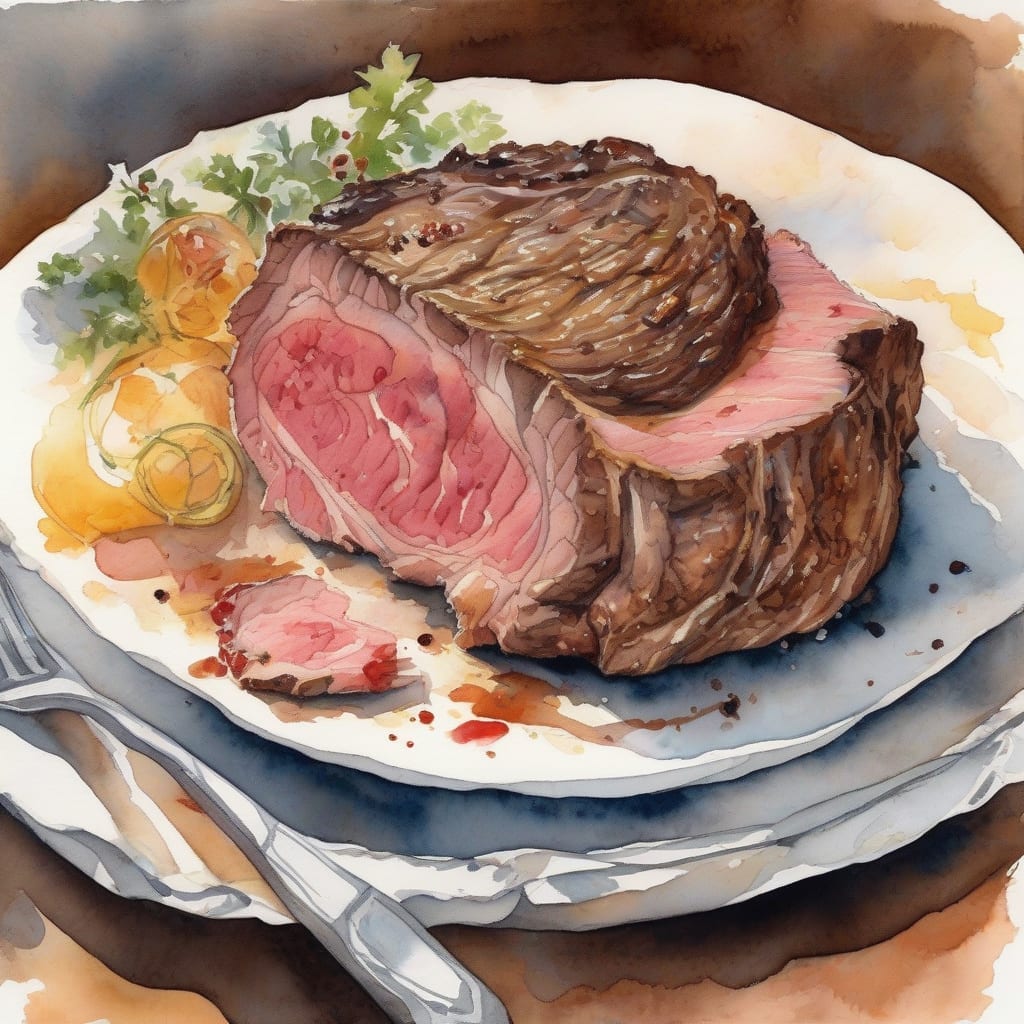
There’s something special about serving prime rib at your holiday table—it instantly becomes the centerpiece. 🔥 I’ve perfected this recipe through years of holiday cooking, and it’s guaranteed to impress your guests with tender, juicy meat and that perfect crust.
The secret to prime rib perfection lies in the details: proper seasoning, precise temperature control, and a foolproof resting method. I start by rubbing the prime rib with a blend of herbs and spices, then let it come to room temperature before roasting.
By following this recipe, you’ll achieve a beautifully browned crust on the outside and perfectly cooked, tender meat inside. The aroma that fills your kitchen will be incredible, and the first slice will be unforgettable. Let’s get started with the ultimate prime rib experience!
Ingredients for joy of cooking prime rib
Here’s everything you need to create this show-stopping prime rib for your holiday gathering.
| Ingredient | Amount | Notes |
|---|---|---|
| Prime Rib Roast 🥩 | 6 lb | Bone-in, tied with kitchen twine |
| Kosher Salt 🧂 | 2 tbsp | Coarse, freshly ground |
| Black Pepper 🌶️ | 2 tbsp | Freshly cracked black pepper |
| Garlic Cloves 🧄 | 6 cloves | Peeled, minced, mixed with herbs |
| Fresh Thyme 🌿 | 2 tbsp | Chopped fresh thyme leaves |
| Fresh Rosemary 🌿 | 2 tbsp | Chopped fresh rosemary leaves |
| Olive Oil 🫒 | ¼ cup | Extra-virgin olive oil for roasting |
| Horseradish Sauce 🌶️ | 1 cup | Optional, for serving |
| Au Jus 🍜 | 2 cups | Homemade or store-bought beef broth |
| Fresh Horseradish 🌶️ | 2 tbsp | Grated, for serving |
| Unsalted Butter 🧈 | 2 tbsp | Softened, for finishing |
[recipe_ingredient_scaler]
For the best prime rib, visit a trusted butcher who can provide a quality bone-in roast. Look for prime or choice grade beef for the most tender results. For the seasoning blend, Penzeys Spices offers excellent quality herbs and spices. Use fresh thyme and rosemary for the most aromatic flavor.
If you can't find fresh herbs, substitute with dried herbs at one-third the amount called for in the recipe. For au jus, homemade beef broth made from beef bones provides the richest flavor, but store-bought works too. If you prefer a more intense horseradish kick, increase the amount to taste.
Store the prime rib in the refrigerator, unwrapped, until the day before roasting, then let it come to room temperature. Keep the au jus hot in a thermos or on the stovetop while the roast rests. Leftover prime rib stores well in the refrigerator for up to 3 days when wrapped tightly.
Step-by-Step Instructions for Prime Rib Perfection
I’ll guide you through achieving a perfectly cooked prime rib with a delicious crust and tender interior.
👨🍳 Step 1: Prepare the Prime Rib Roast
Preheat your oven to 500°F. Remove the prime rib roast from the refrigerator and let it sit at room temperature for 1-2 hours before cooking. This step is crucial as it allows the meat to cook more evenly. Pat the roast dry with paper towels, making sure to remove any excess moisture. I like to season the roast generously with kosher salt and freshly cracked black pepper, making sure to coat all surfaces evenly.
Next, mix the minced garlic, chopped thyme, and chopped rosemary together. Rub this herb mixture all over the roast, ensuring it’s evenly distributed. The aroma of these herbs will complement the prime rib beautifully as it cooks.
🔥 Step 2: Sear the Prime Rib
Place the prime rib roast in a roasting pan, bone side down, and drizzle with olive oil. I prefer to use a roasting rack to elevate the meat, allowing hot air to circulate around it. Roast the prime rib in the preheated oven at 500°F for 15-20 minutes per pound, or until a nice crust forms. You’ll know it’s ready when the surface is nicely browned.
After the initial searing, reduce the oven temperature to 325°F and continue roasting. Use a meat thermometer to monitor the internal temperature. For medium-rare, aim for an internal temperature of 130-135°F.
⏰ Step 3: Finish and Rest the Prime Rib
Once the prime rib reaches your desired level of doneness, remove it from the oven and transfer it to a cutting board. Tent the roast loosely with foil to retain heat. Let it rest for 15-20 minutes before slicing. This resting period is essential as it allows the juices to redistribute, making the prime rib more tender and flavorful.
While the prime rib is resting, you can prepare the au jus by deglazing the roasting pan with a bit of beef broth. Scrape up any browned bits from the pan, as they add rich flavor to the jus. Serve the prime rib with the au jus, horseradish sauce, and a pat of softened unsalted butter on the side.
🔪 Step 4: Slice and Serve
Slice the prime rib against the grain using a sharp carving knife. I find that slicing against the grain makes the meat more tender and easier to chew. Arrange the slices on a platter and serve with the prepared au jus, horseradish sauce, and a sprinkle of grated fresh horseradish if desired.
The prime rib should be served hot, garnished with fresh herbs if desired. The combination of the tender prime rib, flavorful au jus, and spicy horseradish sauce creates a truly memorable dining experience.
When it comes to a show-stopping main course, few dishes can rival the majesty of a perfectly cooked prime rib. The Joy of Cooking prime rib recipe is a tried-and-true method for achieving tender, juicy, and flavorful results. To start, you’ll need a 6-8 pound prime rib roast, bone-in or boneless, depending on your preference. Make sure to bring the roast to room temperature before cooking to ensure even cooking.
Preparation 🔪
Preheat your oven to 500°F (260°C). Season the prime rib generously with salt, black pepper, and your choice of herbs, such as thyme or rosemary. Place the roast in a roasting pan, fat side up, to help keep the meat moist.
- Rub the roast with 2-3 tablespoons of olive oil to enhance browning.
- Place the roasting pan in the oven and roast for 20 minutes per pound, or until the internal temperature reaches your desired level of doneness.
Cooking ⏰
After the initial 20 minutes, reduce the oven temperature to 325°F (165°C) and continue cooking until the internal temperature reaches 130-135°F (54-57°C) for medium-rare. Use a meat thermometer to check the temperature, especially when cooking a large roast. 💡
Once cooked to your liking, remove the prime rib from the oven and let it rest for 15-20 minutes before slicing. This allows the juices to redistribute, resulting in a more tender and flavorful final product. Slice against the grain and serve with your favorite sides, such as au jus or horseradish sauce. Enjoy your perfectly cooked prime rib! 😋
Tips & Tricks for Perfect Prime Rib
These expert tips will help you achieve a perfectly cooked prime rib with a delicious crust and tender interior, just like in the Joy of Cooking recipe.
Temperature Control: Letting the prime rib come to room temperature before cooking, as mentioned in Step 1, ensures more even cooking. I also use an instant-read thermometer to check for doneness, aiming for 130-135°F for medium-rare. This prevents overcooking while ensuring food safety.
Seasoning Strategy: Generously seasoning the prime rib with kosher salt and freshly cracked black pepper in Step 1 creates a flavorful crust. I also like to mix minced garlic, chopped thyme, and chopped rosemary for an aromatic herb rub that complements the prime rib beautifully.
Resting is Essential: Don’t skip the 15-20 minute resting period after cooking, as described in Step 3. This allows the juices to redistribute, making the prime rib more tender and flavorful. Tenting loosely with foil during resting retains heat while preventing overcooking.
Au Jus Enhancement: Deglazing the roasting pan with beef broth in Step 3 creates a rich, flavorful au jus. Scraping up any browned bits from the pan adds depth to the jus, making it perfect for serving alongside the prime rib. 💡
Nutrition Facts
420kcal
[recipe_ingredient_scaler]

Trained in classic French technique but raised on slow-cooked ribs and spicy rubs, she blends culinary skill with smoke and soul.
- Recipe for Boneless Pork Chops in Cast Iron Skillet: Sear and Baste to Juicy Perfection - October 3, 2026
- Recipe for Boneless Cross Rib Roast: Slow-Roasted Beef with Herb Crust - October 3, 2026
- Hamburgers in Sauce Recipe Crock Pot: Slow-Cooked Savory Delight - October 3, 2026