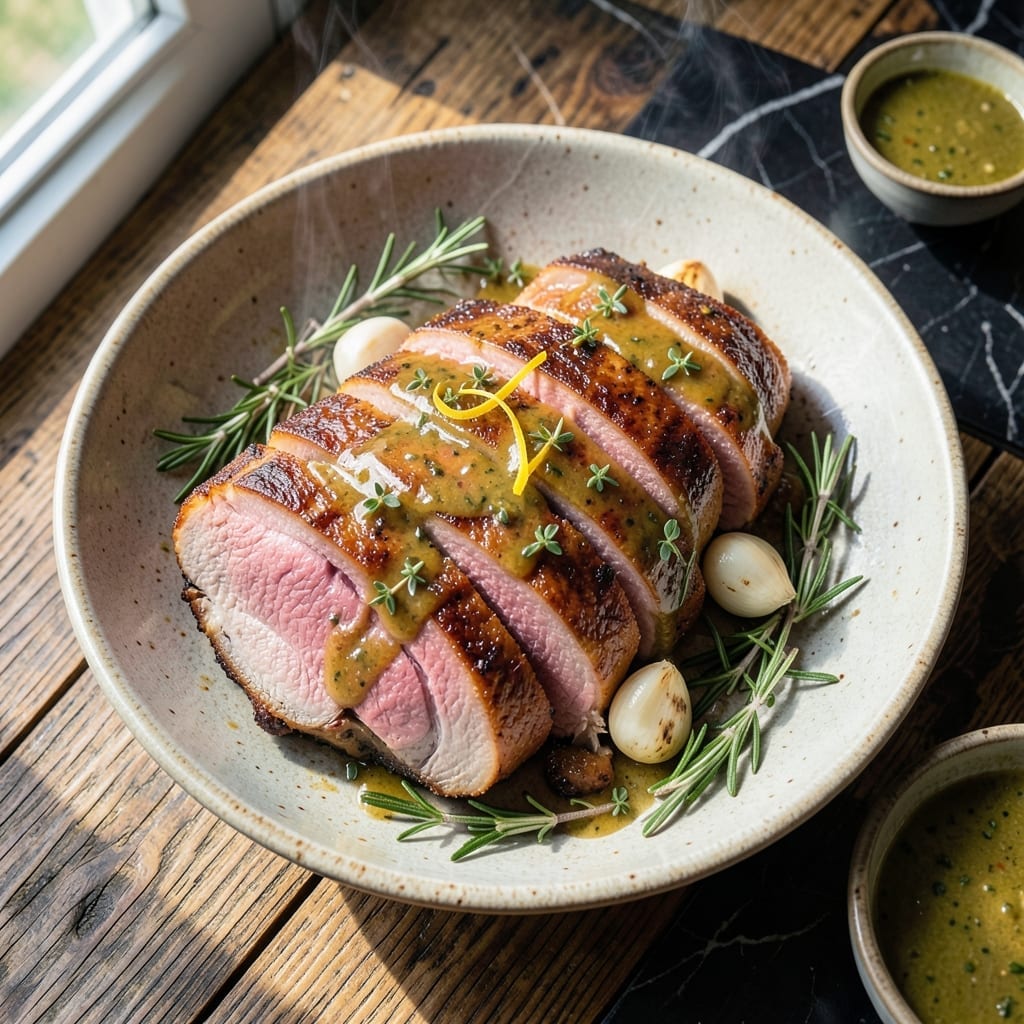
My grandmother taught me that the secret to juicy pork lies in patience and proper seasoning. This herb-crusted tenderloin proves that simple techniques yield the most tender results, with every slice bursting with flavor.
Cooking at high heat seals in moisture, while a brief rest before slicing ensures the juices redistribute. The herb crust adds depth without overpowering the pork’s natural richness, creating a moist texture that rivals any restaurant dish.
No complicated steps here—just a straightforward method that guarantees success. The oven does most of the work, while you prepare the perfect side dishes to complement this centerpiece.
Serve with roasted vegetables or mashed potatoes for a complete meal that feels special but requires minimal effort.
Ingredients for Juicy Pork Tenderloin Recipe Oven
Pantry staples meet fresh herbs for a showstopper main dish everyone will love.
| Ingredient | Amount | Notes |
|---|---|---|
| Pork Tenderloin 🥩 | 1 ½ lb | Trimmed of excess fat |
| Olive Oil 🫒 | 2 tbsp | Divided for searing and crust |
| Garlic Cloves 🧄 | 4 cloves | Minced for herb crust |
| Fresh Rosemary 🌿 | 2 tbsp | Finely chopped, stems removed |
| Fresh Thyme Leaves 🍃 | 2 tbsp | Stems removed, chopped |
| Dijon Mustard 🟡 | 2 tbsp | For binding herb crust |
| Kosher Salt 🧂 | 1 ½ tsp | Diamond Crystal preferred |
| Black Pepper 🌶️ | 1 tsp | Freshly ground for best flavor |
| Smoked Paprika 🌶️ | 1 tsp | Adds depth to crust |
| Dry White Wine 🍷 | ¼ cup | For deglazing pan |
| Chicken Broth 💧 | ½ cup | Low-sodium preferred |
| Unsalted Butter 🧈 | 2 tbsp | For finishing sauce |
[recipe_ingredient_scaler]
The pork tenderloin is the star here. Look for consistent thickness—about 1.5 to 2 inches across—so it cooks evenly. Whole Foods has great options, but any supermarket with a decent meat section will do. The rosemary and thyme? Fresh is non-negotiable (the dried stuff won’t give you that vibrant crust). Buy extra—you’ll use it again within 5 days.
No white wine? Apple cider vinegar with a splash of broth mimics the acidity. Swap Dijon for whole-grain mustard if that’s what you’ve got. The butter can be omitted, but it adds a restaurant-quality finish. For the herbs, if you’re in a pinch, dried at one-third the amount works—just rehydrate in a little olive oil first.
Pork keeps in the fridge for 3-4 days raw, but cook it within 2 days for peak freshness. Leftovers? 4 days in the fridge, or freeze for 3 months. Slice before storing for easy meal prep.
Why You’ll Love This Recipe
- One Pan Magic: I just toss the tenderloin with olive oil, garlic, rosemary, and thyme, then let the oven do the work.
- Herb-Crusted Bliss: The garlic and fresh herbs form this insane crispy crust while keeping every bite absurdly juicy.
- Weeknight Hero: Honestly, it’s my Tuesday lifesaver—fancy enough for company but fast enough for a school night.
- Leftovers Dream: Cold slices taste even better the next day in sandwiches, and it’s way cheaper than deli meat.
Step-by-Step Instructions for Herb-Crusted Pork Tenderloin
Here’s the method I use to guarantee perfectly tender, juicy results every single time.
Step 1: Prep the Herb Crust and Season the Pork
Pat the 1.5 lb pork tenderloin dry with paper towels—this ensures the herb crust adheres properly. In a small bowl, combine the 2 tbsp fresh rosemary, 2 tbsp fresh thyme leaves, 4 cloves minced garlic cloves, 2 tbsp Dijon mustard, 1.5 tsp kosher salt, 1 tsp black pepper, and 1 tsp smoked paprika.
This paste will create a flavor-packed crust that locks in moisture. Rub it all over the pork tenderloin, pressing gently to coat every surface. Let it sit at room temperature for 15 minutes while you preheat the oven.
Step 2: Sear the Pork for a Golden Crust
Heat 1 tbsp olive oil in an oven-safe skillet over medium-high heat. Once shimmering, add the pork tenderloin and sear for 2-3 minutes per side until the crust turns golden brown. The goal is a deep, even sear without burning the herbs.
Resist the urge to move it around—let it develop that beautiful crust. The sear not only adds flavor but also helps retain juices during roasting. If the herbs start to darken too quickly, lower the heat slightly.
Step 3: Roast in the Oven to Perfection
Preheat the oven to 375°F. Transfer the seared pork tenderloin to the oven and roast for 15-20 minutes, or until the internal temperature reaches 145°F. Use a meat thermometer for accuracy—this is the only way to guarantee juicy results.
The pork is done when it feels slightly firm but still springy to the touch. Don’t overcook it; pork tenderloin dries out quickly if left too long in the oven. Remove it from the oven and transfer to a cutting board, tenting it loosely with foil.
Step 4: Make the Pan Sauce for Extra Flavor
Place the skillet back on the stovetop over medium heat. Add the remaining 1 tbsp olive oil, then pour in the 0.25 cup dry white wine to deglaze the pan, scraping up all the browned bits. Let it simmer for 2 minutes until reduced by half.
Stir in the 0.5 cup chicken broth and simmer for another 3 minutes. Whisk in the 2 tbsp unsalted butter until the sauce is smooth and glossy. This pan sauce adds a luxurious finish to the dish.
Slice the pork tenderloin into ½-inch thick pieces and drizzle with the pan sauce before serving. The juices will pool slightly on the cutting board—that’s how you know it’s moist and tender.
Pro Tips For Making Juicy Pork Tenderloin Recipe Oven
- Sear First, Then Roast: I learned this the hard way—start with a screaming hot pan to brown the tenderloin all over before transferring to the oven. It locks in juices and gives that restaurant-quality crust.
- Trim the Silver Skin: After ruining a few cuts, I finally realized that peeling off that tough membrane on the tenderloin keeps it from curling and ensures even cooking.
- Pull at 145°F: Resist the urge to overcook—use a meat thermometer and take it out at 145°F. The temperature will rise another 5 degrees while resting, keeping it perfectly juicy.
- Smash the Garlic: Instead of mincing, just smash the garlic cloves with the side of your knife. They’ll infuse the oil and herbs with flavor without burning, and you can remove them before serving.
Pro Cooking Tips for Great juicy pork tenderloin recipe oven
Perfect Searing Technique
Heat your oven-safe skillet over medium-high heat until a drop of water dances on the surface. I use my 12-inch Lodge cast iron for even heat distribution. Add 1 tbsp olive oil and let it shimmer before adding the pork—this prevents sticking.
Temperature Control
A meat thermometer is non-negotiable here. Pull the pork at 145°F internal temperature—it will rise to 150°F while resting. I learned this the hard way after overcooking too many tenderloins. The ThermoWorks Instant Read is my go-to for accuracy. 🌡️
Resting is Key
Let the pork rest for at least 10 minutes after removing from the oven. This allows juices to redistribute throughout the meat. Tent it loosely with foil to keep it warm. Skipping this step means dry pork—I’ve made this mistake too often.
Pan Sauce Pro Tip
After removing the pork, use the same skillet to make the sauce. The browned bits (fond) add incredible depth. Deglaze with 0.25 cup dry white wine, then reduce by half before adding broth. This technique turns simple ingredients into restaurant-quality sauce. 💡
Even Cooking
If your tenderloin has a thin tail end, tuck it under and tie with kitchen twine. This ensures even cooking and prevents the thin end from drying out. I use unbleached cotton twine from the grocery store—it’s inexpensive and gets the job done.
Herb Crust Adhesion
Pat the pork completely dry before applying the herb paste. Any moisture prevents the crust from adhering properly. Press the paste firmly into the meat—this creates a beautiful, flavorful seal that locks in those juices.
Nutrition Facts
Frequently Asked Questions
Why do I need to rest the pork before slicing?
Resting for 10 minutes allows juices to redistribute throughout the meat. Skipping this step causes moisture loss, resulting in dry pork. Tent loosely with foil to keep it warm.
Can I skip the searing step?
Searing creates a flavorful crust and locks in moisture. Without it, your pork may lack depth and appear pale. Use medium-high heat for 2-3 minutes per side for best results.
How do I prevent the herb crust from burning?
Press the herb paste firmly onto the dry pork. If herbs darken too quickly, lower the oven temperature slightly or cover loosely with foil during the last 10 minutes.
What if I don’t have a meat thermometer?
While not ideal, you can test doneness by touch. The pork should feel firm but still springy. For accuracy, invest in an instant-read thermometer—it’s the best way to hit 145°F.

Trained in classic French technique but raised on slow-cooked ribs and spicy rubs, she blends culinary skill with smoke and soul.
- Hamburgers in Sauce Recipe Crock Pot: Slow-Cooked Savory Delight - October 3, 2026
- Sanjeev Kapoor Egg Biryani Recipe: Fragrant Spiced Rice With Boiled Eggs - October 3, 2026
- Recipe for French Pork Spread Gorton: Savory Gallic Flavors in a Spreadable Delight - October 3, 2026