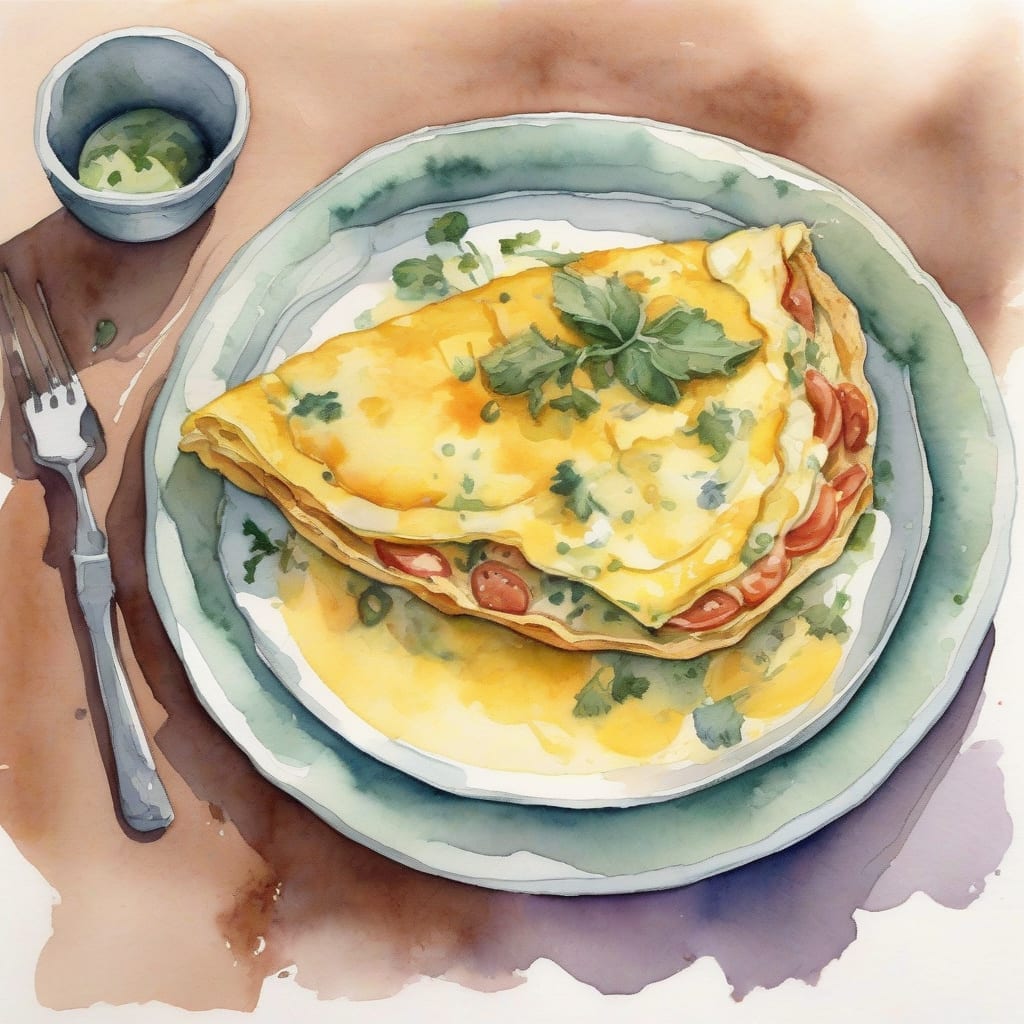
Mastering Julia Child’s classic French omelette recipe is a game-changer for breakfast lovers. ✨ I recall Julia’s emphasis on technique over ingredients – it’s all about creating that perfect, fluffy texture. With just three ingredients and a hot pan, you’ll achieve French bistro quality at home.
The secret lies in gentle folding and controlled heat. Julia taught us that a true French omelette should be tender, creamy, and pale – no browning allowed. By beating the eggs just so and cooking them in butter, you’ll create that signature silky texture.
As you cook, the aroma of melting butter and fresh eggs will fill your kitchen, transporting you to a Parisian café. Let’s create this culinary masterpiece together, just as Julia would – with precision, care, and a dash of French flair.
Ingredients for julia child omelette
Create Julia Child’s classic French omelette with just three simple ingredients and precise technique.
| Ingredient | Amount | Notes |
|---|---|---|
| Large Eggs 🥚 | 3 whole | Room temperature for better texture |
| Unsalted Butter 🧈 | 2 tbsp | Softened for easy melting |
| Salt 🧂 | ¼ tsp | Freshly ground preferred |
[recipe_ingredient_scaler]
For the best results, use farm-fresh eggs from local markets or high-quality grocery stores. Look for cultured unsalted butter like Kerrygold or Straus Family Creamery for rich flavor. Freshly ground salt enhances the eggs' natural flavor without overpowering them.
If you don't have unsalted butter, you can substitute with salted butter and omit the added salt. For a dairy-free version, use clarified butter or ghee. Beating the eggs just until they're combined – avoiding overbeating – helps maintain the omelette's tender texture.
Store eggs in their original carton in the refrigerator to maintain freshness for up to 5 weeks. Keep butter wrapped in wax paper or parchment in the fridge for up to 2 months, or freeze for longer storage. Bring eggs to room temperature before beating for best results.
Step-by-Step Instructions for Julia’s Classic French Omelette
I’ll guide you through creating Julia Child’s signature omelette, achieving that perfect fluffy texture every time.
👨🍳 Step 1: Prepare the Egg Mixture
Start by cracking 3 whole large eggs into a bowl. I like to use room temperature eggs as they yield a fluffier texture. Whisk the eggs gently with a fork—just until they’re barely combined. You want to maintain some texture rather than creating a uniform mixture. Add 0.25 tsp of salt (freshly ground if possible) and give it one more gentle stir.
The key here is to be gentle. Overbeating incorporates too much air, leading to an omelette that’s more like a soufflé. Julia emphasized the importance of this gentle whisking to achieve that characteristic tender curd.
🍳 Step 2: Melt Butter and Cook the Eggs
Heat an 8-inch non-stick skillet over medium heat. Once it’s warm, add 1 tablespoon of softened unsalted butter. Let it melt completely and coat the pan, then tilt the pan to ensure even coverage. When the butter starts to foam slightly but hasn’t turned brown, pour in your egg mixture.
Let the eggs cook undisturbed for about 10-15 seconds. You’ll start to see the edges setting. Now, gently push the cooked edges toward the center with a spatula, tilting the pan so the uncooked egg flows to the edges. Continue this process for about 1-2 minutes until most of the egg is just set but still slightly moist on top.
🥘 Step 3: Add Filling and Fold the Omelette
Once your eggs are nearly set, it’s time to add any desired filling (though Julia’s classic version is plain). I like to add mine just to one half of the omelette. Use your spatula to gently fold the unfilled half over the filling. If you’re not adding anything, simply fold in half.
Cook for another 10-15 seconds with the omelette folded. You want the eggs to be just cooked through but still moist. Slide the omelette out onto a plate by tilting the pan and using your spatula to guide it. For a final touch, neaten up any edges and serve immediately while still slightly creamy inside.
⏰ Step 4: Serve and Enjoy
Your omelette should be creamy inside and lightly browned on the outside. The total cooking time from adding eggs to serving should be about 2-3 minutes. Julia always emphasized serving immediately—the residual heat will continue to cook it slightly as it rests on the plate.
To achieve that perfect presentation, make sure your pan is hot enough that the eggs start cooking immediately, but not so hot that they brown too quickly. This classic French technique guarantees a tender, creamy omelette that’ll impress anyone.
To create Julia Child’s classic French omelette, you’ll need to master a few simple techniques. First, crack 2-3 large eggs into a bowl and whisk them together with a pinch of salt and pepper until the whites and yolks are fully incorporated. The key is to beat the eggs just enough to break down the proteins, resulting in a tender and fluffy omelette.
Preparing the Pan 🔪
Heat a small non-stick pan over medium heat and add a pat of butter. Once the butter has melted and the pan is hot, pour in the egg mixture. Let it cook for about 30 seconds until the edges start to set.
Folding the Omelette 🥘
Use a spatula to gently lift and fold the edges of the omelette towards the center, allowing the uncooked egg to flow to the edges. Continue this process until the eggs are almost set, then add your desired fillings, such as diced ham, chopped herbs, or grated cheese.
💡 Pro tip: Use a gentle folding motion to avoid breaking the omelette. You can also tilt the pan to help the uncooked egg flow to the edges.
- Choose fillings that complement the eggs, such as mushrooms, spinach, or bell peppers.
- Don’t overfill the omelette, as this can make it difficult to fold and can result in fillings spilling out.
Once you’ve added your fillings, use the spatula to fold the omelette in half and cook for another 30 seconds to 1 minute, until the cheese is melted and the eggs are cooked through. Slide the omelette out of the pan onto a plate and serve hot. With a little practice, you’ll be creating Julia Child’s classic French omelette like a pro! 😊
Tips & Tricks for Perfect Julia Child Omelette
These tried-and-tested tips will help you achieve Julia Child’s signature fluffy omelette every time.
Temperature Control: Use room temperature eggs as they yield a fluffier texture. In Step 2, make sure your butter is melted but not browned – this prevents unwanted flavors and ensures even cooking. 🔥
Gentle Whisking: When preparing the egg mixture in Step 1, whisk gently just until the eggs are barely combined. Overbeating incorporates too much air, leading to an omelette that’s more soufflé-like than tender. 💡
Pan Selection: Julia swore by non-stick pans for omelettes. An 8-inch pan is perfect for this recipe as it allows the eggs to cook evenly without being too thin. If you don’t have non-stick, a well-seasoned cast iron works beautifully too.
Timing is Everything: In Step 3, when adding your filling and folding, remember that the omelette continues cooking slightly after folding. Cook just until the eggs are set but still moist on top for the perfect texture.
Nutrition Facts
140kcal
[recipe_ingredient_scaler]

Trained in classic French technique but raised on slow-cooked ribs and spicy rubs, she blends culinary skill with smoke and soul.
- Recipe for Boneless Pork Chops in Cast Iron Skillet: Sear and Baste to Juicy Perfection - October 3, 2026
- Recipe for Boneless Cross Rib Roast: Slow-Roasted Beef with Herb Crust - October 3, 2026
- Hamburgers in Sauce Recipe Crock Pot: Slow-Cooked Savory Delight - October 3, 2026