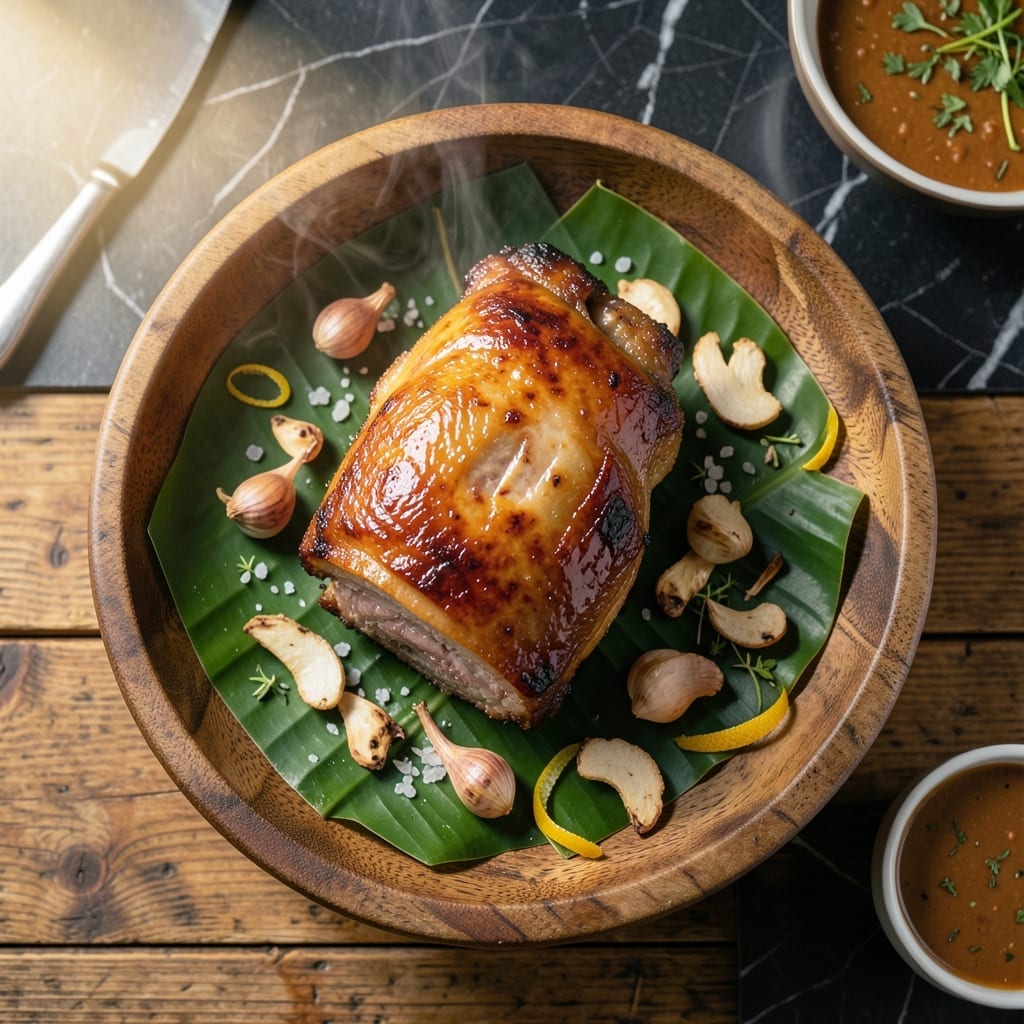
I’ve adapted this traditional Hawaiian dish for the Traeger, bringing island flavors to your backyard with minimal effort. The slow smoke transforms pork shoulder into fall-apart tender perfection.
My grandmother never wrote down measurements, but I’ve decoded her method into a reliable process. A simple dry rub and hours on the Traeger replicate the imu pit’s smoky depth.
What emerges is juicy, flavorful pork with a subtle smokiness that’s authentic to the islands. The Traeger’s consistent heat ensures the meat cooks evenly without drying out.
Serve it in tacos, bowls, or on its own for a taste of Hawaii. This method delivers the tender results you expect, every time.
Ingredients for Kalua Pork Recipe Traeger
Pantry staples and a few island touches bring this dish to life beautifully.
| Ingredient | Amount | Notes |
|---|---|---|
| Pork Shoulder 🐖 | 4 lb | Bone-in, skin-on for best flavor |
| Hawaiian Sea Salt 🧂 | 2 tbsp | Coarse grain preferred |
| Liquid Smoke 💨 | 1 tbsp | Hickory or mesquite flavor |
| Banana Leaves 🍌 | 2 pieces | Optional, for wrapping pork |
| Garlic Cloves 🧄 | 6 cloves | Peeled and smashed |
| Fresh Ginger 🌿 | 1 tbsp | Peeled and grated |
| Black Pepper 🌶️ | 1 tbsp | Freshly ground |
| Olive Oil 🫒 | 2 tbsp | For rubbing pork |
| Brown Sugar 🍚 | ½ cup | Light or dark variety |
| Soy Sauce 🥢 | ¼ cup | Low-sodium preferred |
| Apple Cider Vinegar 🍏 | 2 tbsp | For tangy balance |
| Water 💧 | 1 cup | For steam during cooking |
[recipe_ingredient_scaler]
The pork shoulder is non-negotiable here. Bone-in, skin-on gives you that authentic texture and flavor (trust me, it’s worth the extra effort). I grab mine from Costco—great price, consistent quality. If you can’t find Hawaiian sea salt (it’s coarser and saltier than regular), kosher salt works in a pinch. Banana leaves add that traditional touch, but aluminum foil is fine too.
No liquid smoke? Skip it entirely—the Traeger’s wood pellets give enough smokiness on their own. Fresh ginger is ideal, but ground ginger at half the amount works if you’re in a hurry. Soy sauce can be swapped for tamari (gluten-free) or coconut aminos. The brown sugar balances the salt, so don’t skip it—honey or maple syrup can stand in if needed.
This reheats like a dream—shred it, then warm with a splash of water or broth. Keeps in the fridge for 4-5 days or freezes beautifully for 3 months. Perfect for meal prep or feeding a crowd.
Why You’ll Love This Recipe
- Set and Forget: The Traeger does all the work—just rub the pork shoulder with Hawaiian sea salt, add liquid smoke, and let it slow-roast in banana leaves.
- Smoky Paradise: That liquid smoke and garlic combo gives it the authentic kalua flavor without the imu pit.
- Feeds the Crew: One pork shoulder stretches for tacos, rice bowls, or sandwiches all week long.
- Leftovers for Days: Honestly, it tastes even better the next day—shred it for quick lunches or freeze for later.
Step-by-Step Instructions for Kalua Pork Traeger
This method guarantees melt-in-your-mouth tenderness with that signature island flavor you crave.
Step 1: Prepare and Season the Pork Shoulder
Start by patting the 4 lb Pork Shoulder completely dry with paper towels. This step is crucial for the rub to adhere properly and for achieving that perfect bark. I like to place the pork in a large mixing bowl to catch any drips during seasoning.
Rub the pork all over with the 2 tbsp Olive Oil, making sure to coat every surface. Then, in a small bowl, combine the 2 tbsp Hawaiian Sea Salt, 1 tbsp Liquid Smoke, 0.5 cup Brown Sugar, 1 tbsp Black Pepper, 1 tbsp Fresh Ginger, 0.25 cup Soy Sauce, and 2 tbsp Apple Cider Vinegar. Massage this mixture generously into the pork, pressing it into all the nooks and crannies. Let it sit at room temperature for 30 minutes to allow the flavors to begin penetrating the meat.
Step 2: Prep the Traeger and Wrap the Pork
Preheat your Traeger grill to 225°F with the lid closed for at least 15 minutes. While it’s heating, lay out the 2 pieces Banana Leaves (if using) and place the seasoned pork shoulder in the center. Wrap it tightly with the banana leaves, then secure with butcher twine or foil to hold everything together.
If you’re not using banana leaves, simply place the pork directly on a large piece of heavy-duty aluminum foil. The banana leaves add an authentic Hawaiian touch and help retain moisture, but the pork will still turn out incredibly tender without them. Pour the 1 cup Water into the Traeger’s grease tray to create steam, which keeps the pork moist during the long cook.
Step 3: Smoke the Pork to Perfection
Place the wrapped pork directly on the grill grates and insert a meat probe if your Traeger has one. Smoke the pork at 225°F for 8-10 hours, or until the internal temperature reaches 195-203°F. This is the sweet spot for pull-apart tenderness.
Resist the urge to peek or flip the pork during cooking. The low and slow method is what makes this dish special. You’ll know it’s getting close when the pork has a deep mahogany color and the internal temperature starts climbing more rapidly. If you’re using banana leaves, they’ll darken significantly—that’s normal and adds to the smoky flavor.
Step 4: Rest and Shred the Pork
Once the pork reaches the target temperature, carefully remove it from the Traeger and transfer it to a large serving dish. Let it rest, still wrapped, for at least 30 minutes. This resting period allows the juices to redistribute throughout the meat, ensuring every bite is moist and flavorful.
Unwrap the pork and use two forks to shred it into bite-sized pieces. The meat should come apart with almost no effort—this is how you know it’s done right. Mix in any accumulated juices from the wrapping for maximum flavor. Serve the kalua pork immediately, or keep it warm in a slow cooker for up to 2 hours if you’re preparing for a gathering.
Pro Tips For Making Kalua Pork Recipe Traeger
- Start Low and Slow: Set your Traeger to 225°F and let the pork shoulder cook for at least 8 hours—this mimics the traditional imu pit’s low, steady heat. I learned this the hard way after my first attempt at 275°F turned out dry and tough.
- Rub Salt Overnight: Coat the pork shoulder with Hawaiian sea salt and let it sit uncovered in the fridge for 12-24 hours. It draws out moisture first, then reabsorbs it with the salt for deeper flavor and tenderness.
- Skip the Soaked Leaves: Don’t waste time soaking banana leaves—they’ll soften just fine on the Traeger as the pork cooks. I used to do this until I realized it added zero benefit and just made my prep longer.
- Double Wrap for Moisture: After 4 hours, wrap the pork tightly in foil with a splash of water or apple juice, then add the banana leaves back on top. This keeps it from drying out while still infusing that earthy, smoky aroma.
Serving Suggestions for Leftovers
Traditional Plating
Serve this dish family-style on a large platter lined with fresh banana leaves for an authentic presentation. The leaves add visual appeal and a subtle aroma. I like to mound the shredded pork in the center, surrounded by steamed taro root or sweet potatoes for a true island feast. 🌺
Taco Night Twist
Use the pork as filling for soft corn tortillas—warm them on the Traeger for 30 seconds each side. Top with pickled red onions, diced pineapple, and a drizzle of spicy mayo. My kids love building their own tacos with these toppings.
Bowl Style
Create a hearty bowl with a base of steamed white rice, topped with the pork, macaroni salad, and cabbage slaw. Drizzle with extra juices from the pork and finish with green onions. This is my go-to for easy weeknight dinners.
Sandwich Option
Pile the pork high on toasted Hawaiian rolls with a smear of garlic aioli. Add provolone cheese if you like it melty. These sliders disappear fast at parties—I always make extra.
Breakfast Hash
Next-day magic: chop the pork and crisp it in a skillet with diced potatoes and bell peppers. Top with fried eggs for a brunch that tastes like Hawaii. A sprinkle of furikake seasoning adds the perfect finishing touch. 💡
Nutrition Facts
Frequently Asked Questions
What’s the ideal internal temperature for smoking?
Aim for 195-203°F internally for perfect pull-apart tenderness. This range ensures the collagen breaks down without drying out the meat.
Can I use a different wood pellet flavor?
While hickory or mesquite complement Hawaiian flavors, pecan or apple wood adds a milder sweetness. Each wood imparts a unique profile to your dish.
How do I know when it’s done if I don’t have a meat probe?
Test with a fork – when it slides in effortlessly and the meat shreds easily, it’s ready. This usually happens after 8-10 hours at 225°F.
What if my pork isn’t tender after the recommended time?
If it’s not tender yet, continue smoking for another 1-2 hours. Every piece of pork is different, and larger cuts may need extra time to reach perfect doneness.

Trained in classic French technique but raised on slow-cooked ribs and spicy rubs, she blends culinary skill with smoke and soul.
- Recipe for Boneless Pork Chops in Cast Iron Skillet: Sear and Baste to Juicy Perfection - October 3, 2026
- Recipe for Boneless Cross Rib Roast: Slow-Roasted Beef with Herb Crust - October 3, 2026
- Hamburgers in Sauce Recipe Crock Pot: Slow-Cooked Savory Delight - October 3, 2026